Provide climbing support
Install a sturdy trellis, mesh, or horizontal wires early, then gently tie new vines with soft plant ties so the plant can develop a stable, layered framework instead of hanging in a dense, airless mass.

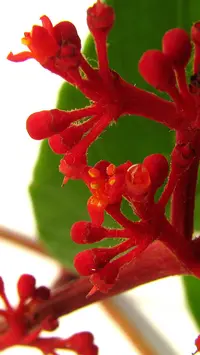
Cissus erosa, often called caro de tres hojas, is a climbing or trailing vine in the grape family. It typically shows three-lobed leaves and slender, twining stems. In its natural range in tropical and subtropical America, it grows through shrubs and trees, using them for support. The plant is usually grown for its foliage and relaxed, vining habit rather than for flowers or fruit. It is considered relatively forgiving if kept in stable indoor conditions, which makes it suitable for intermediate plant owners. Light shade, evenly moist but well-drained soil, and moderate humidity generally support healthy growth and help you understand how to care for caro de tres hojas.

Care Difficulty
Moderate Care

Light Preference
Partial Shade

Water Requirements
Moderate Water

Temperature Preference
Warm Climate

Hardiness Zone
10–11

Soil Texture
Loamy, Sandy, Organic-rich

Soil pH
Acidic (5.5–6.5), Slightly acidic (6.5–7.0)

Soil Drainage
Moist but well-drained

Fertilization
Light (every 4–6 weeks)
Scan your plant to receive care tips personalized for your specific plant
Available on iOS and Android
This vigorous vine prefers bright, indirect light with some protection from intense midday sun.
This species prefers evenly moist, well-draining soil that never stays saturated for long periods.
This vine thrives in warm, stable conditions similar to a mild subtropical climate.
This species prefers moderately humid air and reacts when kept too dry for long periods.
Cissus erosa grows best in a loose, airy mix that drains quickly yet holds moderate moisture.
This vine is well suited to container growing when the pot supports its vining habit and moisture needs.
Cissus erosa benefits from light, steady feeding during active growth but does not need heavy fertilization.
Pruning helps keep Cissus erosa compact, healthy, and within its space.
Cissus erosa in containers benefits from periodic repotting to prevent root congestion and maintain vigor.
Cissus erosa is most commonly propagated from stem cuttings taken during the active growing season.
Cissus erosa is frost sensitive and needs thoughtful winter care in cooler climates.

Plant Health Check
Not sure what's wrong with your plant? Check your plant's health inside the app.
This species is native to the Atlantic rainforest of Brazil, where it grows as a woody vine using tendrils to climb on shrubs and trees in bright but filtered light conditions beneath the canopy.
Its leaves show a characteristic coarse, erosed or irregularly toothed margin, which inspired the epithet erosa and helps distinguish it from smoother-leaved Cissus relatives in the same habitat.
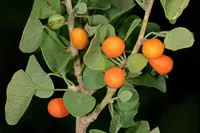
The plant produces small dark berries that are eaten by birds, which then disperse the seeds across fragmented forest patches and help maintain genetic exchange between wild populations.
Yellowing leaves often result from overwatering, poor drainage, or compacted soil limiting oxygen to roots. Check that the pot drains freely, allow the top layer of substrate to dry slightly, and reduce frequency rather than volume of watering.
Keep your plants happy and healthy with plant identification, disease detection, and easy care guidance.