Cape Moonseed Vine Care (Cissampelos capensis)

Also known as: Davidjies
Cape Moonseed Vine

About Cape Moonseed Vine

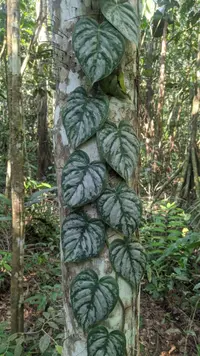
Cape moonseed vine, Cissampelos capensis, is a small, twining perennial climber native to dry shrublands and rocky slopes of South Africa and Namibia. It often scrambles over low bushes or rocks, forming a light, tangled canopy rather than a dense screen.

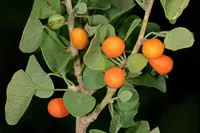
The plant typically has slender stems, rounded to slightly heart-shaped leaves, and small, inconspicuous flowers that are followed by decorative, flat, disc-like fruits. It is adapted to relatively poor, well-drained soils and dry conditions, which makes it low demand once established.

Growth is strongest in warm, bright positions with good air movement, and it dislikes prolonged waterlogging. These traits make it important to understand how to care for Cape Moonseed Vine before planting it in containers or dry gardens.

Main Plant Requirements

Care Difficulty

Moderate Care

Light Preference

Partial Sun

Water Requirements

Moderate Water

Temperature Preference

Warm Climate

Hardiness Zone

9–11

Soil Texture

Sandy, Loamy, Organic-rich

Soil pH

Acidic (5.5–6.5), Slightly acidic (6.5–7.0)

Soil Drainage

Well-drained

Fertilization

Minimal (feed rarely)

Get Personalized Care Plan

Scan your plant to receive care tips personalized for your specific plant

Available on iOS and Android

How to Care for the Cape Moonseed Vine

This vine prefers bright, open conditions with some protection from the harshest sun.

  • Provide 4–6 hours of direct morning sun with light afternoon shade, especially in hotter regions, to support compact, healthy growth of Cape Moonseed Vine.
  • In very hot climates, use filtered midday light or dappled shade to prevent leaf scorch, curling edges, or bleached patches from excessive sun exposure.
  • In partial shade (2–4 hours sun), expect slower growth and fewer flowers; prune nearby plants or adjust position seasonally to maintain at least several hours of direct light.

This species prefers evenly moist but not saturated soil with clear drying intervals.

  • Water only when the top 3–5 cm of soil feels dry, then soak the root zone thoroughly so moisture reaches the deeper roots without puddling on the surface.
  • Ensure sharply drained, sandy or loamy soil; pooling water, a sour smell, or yellowing, soft leaves suggest overwatering and possible root rot in Cissampelos capensis.
  • In hot, dry periods, drying will occur faster and watering may be needed every few days; in cooler or rainy seasons, extend intervals and watch for wilting or crispy leaf edges as signs of underwatering.

This climber prefers mild, frost-free conditions and reacts poorly to temperature extremes.

  • Aim for an active growth range of 65–80°F (18–27°C), where shoots extend steadily and foliage remains a deep, even green.
  • Protect the plant from cold below 40°F (4°C); light frost can damage new growth, and hard freezes below 32°F (0°C) may kill stems back to the base.
  • In heat above 90°F (32°C), growth can slow and leaves may droop midday; provide mulch, some afternoon shade, and consistent soil moisture during hot, dry spells.

This species manages well in typical indoor humidity but performs best with moderately moist air.

  • Maintain 40–60% humidity for Cape Moonseed Vine, which mirrors its natural range.
  • Leaves curling at edges or crisp tips indicate air that is too dry.
  • Increase humidity with a nearby open tray of water and pebbles or by grouping plants, avoiding frequent misting.

This vine prefers a loose, fast-draining mix that still holds moderate moisture.

  • Use a sandy-loam structure with 50–60% standard potting mix, 20–30% coarse sand, and 10–20% perlite for aeration.
  • Aim for slightly acidic to neutral pH, roughly 6.0–7.0, which suits Cissampelos capensis root function.
  • Avoid heavy clay or peat-dominant mixes that stay wet and exclude air around the roots.
  • If drainage is slow, increase coarse sand or perlite rather than adding a gravel layer at the bottom.

This species is well suited to container growing when the pot supports its vining habit.

  • Choose a pot wide enough for lateral root spread and to anchor support stakes or a trellis securely.
  • Select heavier materials like terracotta or ceramic if the vine climbs, to reduce tipping in wind or on balconies.
  • Provide several unobstructed drainage holes and elevate the pot slightly so water can exit quickly after irrigation.

This vine grows in relatively poor soils but benefits from light, balanced feeding in containers or depleted beds.

  • Use a balanced liquid fertilizer (for example 10-10-10) at 1/2 strength every 4–6 weeks during spring–summer growth.
  • In the ground, apply a thin layer of compost around the root zone once in spring instead of frequent liquid feeds.
  • For Cape Moonseed Vine in pots, a slow-release fertilizer in early spring supports steady growth with minimal salt buildup.
  • Reduce feeding to once in late fall or stop entirely in winter when growth slows or the plant becomes partially dormant.

Pruning helps keep Cissampelos capensis manageable and encourages denser, healthier growth.

  • Carry out main pruning in late winter or early spring before new shoots extend.
  • Remove dead, damaged, or crossing stems first, then thin congested growth to improve light and air flow.
  • Shorten overly long vines to control spread and direct growth onto supports or trellises.
  • Use clean, sharp pruning shears, making angled cuts just above a node to reduce infection risk.

This species is usually grown in the ground, but young or potted plants may need occasional transplanting when rootbound.

  • Check for roots circling the pot base, water running straight through, or slow growth as signs it needs more space.
  • Plan transplanting for spring or early summer when soil is warm and recovery is fastest.
  • Move up only 1 pot size or replant into well-drained, loosened garden soil at the same depth as before.
  • Minimize root stress by watering well before and after moving, handling the root ball gently, and shading the plant for a few days.

Cissampelos capensis is most often propagated from seed, with cuttings also possible under warm, stable conditions.

  • Sow fresh seeds in spring in a well-drained, sandy mix, barely covering them and keeping the medium evenly moist.
  • Maintain warmth around 70–77°F and bright, indirect light to support steady germination.
  • For stem cuttings, select semi-ripe shoots, remove lower leaves, and insert into a loose, moist propagation mix.
  • High humidity, bottom warmth, and good air circulation help reduce rot and promote root formation.

In mild, frost-free regions this vine needs little special winter care, but colder climates require extra attention.

  • Cissampelos capensis tolerates only light frost; sustained freezes can damage stems and roots.
  • In-ground plants benefit from 5–8 cm of dry mulch over the root zone in late fall for insulation.
  • Move container plants indoors or into a bright, cool, frost-free space before temperatures drop below 32°F.
  • Reduce watering in winter so the soil stays slightly moist but never waterlogged in cold conditions.

Care Tips

Provide climbing support

Install a fine trellis, mesh, or taut strings early in the season so young shoots can attach and climb, which encourages healthier, more controlled vine growth and better light exposure along the stems.

Manage seasonal dieback

Allow older stems to partially die back in late winter, then remove only truly dry, brittle growth to stimulate strong new shoots while preserving any still-living sections that store energy.

Encourage bushier growth

Pinch or lightly tip-prune soft, actively growing shoots in spring and early summer to promote side branching, which results in a denser vine with more flowering points.

Monitor and guide tendrils

Check the plant every 1–2 weeks during active growth to gently redirect tendrils away from gutters, fences, or nearby shrubs so it does not become tangled or invasive in unwanted areas.

Use light mulch layer

Apply a thin, 2–3 cm layer of airy organic mulch such as fine bark or leaf mold around but not touching the crown to keep roots cool, reduce surface evaporation, and buffer soil temperature when growing Cape Moonseed Vine outdoors.

Common Pests and Diseases

Leaf miners

This pest tunnels inside the leaf tissue, creating pale winding trails and causing thin Cape Moonseed Vine leaves to yellow and lose vigor.

Solution

Remove and discard affected leaves as soon as trails are seen, then encourage new growth with steady watering and light feeding; for repeated issues, use a neem oil or spinosad spray targeting young larvae, applied to both leaf surfaces in the evening and repeated as directed.

Scale insects

These insects appear as small, hard or waxy bumps along stems and leaf veins, sucking sap and leading to yellowing, sticky honeydew, and sooty mold on the foliage.

Solution

Gently scrape or wipe off visible scale with a cotton swab dipped in isopropyl alcohol, then follow with 2–3 rounds of horticultural or neem oil spray at 7–10 day intervals, ensuring good coverage of stems and leaf undersides while improving light and airflow to support recovery.

Spider mites

This pest thrives in hot, dry conditions, causing fine stippling, pale patches, and delicate webbing on the undersides of the vine’s thin leaves.

Solution

Rinse foliage thoroughly with a firm but gentle stream of water, then increase humidity and apply a miticide or neem oil to both sides of the leaves every 5–7 days for several cycles, isolating the plant from others until no new damage or webbing appears.

Powdery mildew

This disease shows as white, powdery patches on the upper leaf surfaces and young stems, which can cause leaf distortion and reduced growth if humidity stays high and air movement is poor.

Solution

Prune and discard the most heavily affected leaves, then improve spacing and airflow around the vine; treat remaining foliage with a sulfur-based fungicide or a potassium bicarbonate spray, repeating at label intervals until new growth appears clean.

Leaf spot

Symptoms include small brown, tan, or purplish spots on the leaves that may enlarge, merge, and cause premature leaf drop, especially in wet, crowded conditions.

Solution

Remove and dispose of affected leaves, avoid overhead watering, and let the foliage dry quickly; for persistent problems, apply a copper-based fungicide according to label directions and maintain a regular pruning routine to reduce moisture buildup around the plant.

Interesting Facts

South African endemic

This species is naturally restricted to South Africa, where it grows mainly in fynbos and coastal scrub on sandy or rocky soils, often scrambling over low shrubs for support.

Distinctive shield-shaped leaves

The plant has rounded to slightly heart-shaped leaves with veins that radiate from a point inside the leaf blade rather than the margin, a feature that gives them a shield-like appearance typical of the Menispermaceae family.

Dioecious climbing vine

Individual plants are either male or female, producing small unisexual flowers on separate plants, and rely on cross-pollination to set their characteristic small, single-seeded, crescent-shaped fruits.

Botan icon

Did you know?

In its native range, the tuberous root of this species has traditionally been used by Indigenous communities in small doses to induce sweating and as an emetic, and later attracted scientific interest because related Cissampelos species contain isoquinoline alkaloids that affect the nervous system, prompting pharmacological studies under controlled conditions.

FAQs about Cape Moonseed Vine

This species is a twining climber that wraps its slender stems around nearby supports. In the absence of vertical structure, it will scramble over rocks or low shrubs, forming a loose, spreading mound rather than a tight ground cover.

Grow Healthy Plants with Botan Care

Keep your plants happy and healthy with plant identification, disease detection, and easy care guidance.

Botan plant care app — identify plants on mobile

Explore More Plants