Use sturdy supports
Install strong trellises, wires, or mesh before planting so the vine can be tied in loosely as it grows, preventing wind damage and stem breakage later.

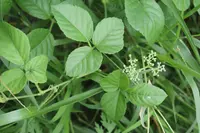
Three-leaved wild vine (Causonis trifolia) is a fast-growing, tendril-climbing vine in the grape family, often found scrambling over shrubs and fences. It has slender stems and glossy, divided leaves made of three narrow leaflets that give it a light, delicate look.
This species is native to tropical and subtropical regions of Asia and northern Australia, where it grows in thickets, forest edges, and disturbed sites. It can be vigorous in warm climates, so space and support are important when planning how to care for Three-Leaved Wild Vine.
The plant generally prefers bright light, consistent moisture, and well-drained soil, which makes it relatively easy to grow in suitable outdoor conditions.

Care Difficulty
Moderate Care

Light Preference
Partial Shade

Water Requirements
Moderate Water

Temperature Preference
Warm Climate

Hardiness Zone
9–11

Soil Texture
Sandy, Loamy, Organic-rich

Soil pH
Acidic (5.5–6.5), Slightly acidic (6.5–7.0)

Soil Drainage
Moist but well-drained

Fertilization
Light (every 4–6 weeks)
Scan your plant to receive care tips personalized for your specific plant
Available on iOS and Android
This vigorous climber prefers bright, indirect light with some direct morning sun for best growth.
This species prefers consistently moist but not waterlogged soil, with moisture adjusted to weather and soil type.
This vine grows best in warm, frost-free conditions with stable seasonal temperatures.
This vine prefers moderate to moderately high humidity and tolerates brief dry indoor air if watered correctly.
Causonis trifolia prefers light, well-drained, organic-rich soil that stays evenly moist but not waterlogged.
This species grows well in containers when given support for its climbing habit.
This vigorous vine benefits from light, focused feeding during active growth but tolerates lean soil quite well.
Causonis trifolia responds well to thoughtful pruning, which keeps growth controlled and supports a tidy framework.
This climbing species is more often grown in the ground, but container plants or young Causonis trifolia may need occasional repotting or transplanting.
This vine is commonly propagated from cuttings or seeds, allowing gardeners to expand plantings of Causonis trifolia efficiently.
In mild to moderately cold climates this species is fairly resilient, but some winter care improves long-term vigor.

Plant Health Check
Not sure what's wrong with your plant? Check your plant's health inside the app.
The small black berries are eaten by birds, which disperse the seeds through their droppings and help the vine colonize new habitats across its native range in Asia and northern Australia.
The plant climbs using forked tendrils that arise opposite the leaves, a typical feature of the grape family, allowing it to anchor efficiently to fences, shrubs, and tree trunks without producing adhesive pads.
In parts of its native range, this species often establishes in disturbed areas such as roadsides, secondary forests, and scrub, showing a strong ability to take advantage of increased light and open soil surfaces.

In some regions, especially in parts of India and Southeast Asia, tender leaves and young shoots of this species are traditionally collected and eaten as a leafy vegetable, commonly boiled or cooked in mixed dishes after proper preparation.
Yellowing leaves usually come from water stress, compacted or soggy soil, nutrient deficiency, or sudden temperature change. Check drainage, adjust watering, and consider a light balanced fertilizer. Remove a few worst leaves so new growth can develop.
Keep your plants happy and healthy with plant identification, disease detection, and easy care guidance.