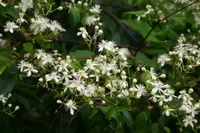
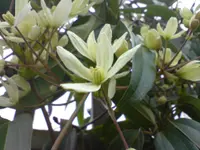
Purple clematis Care (Clematis viticella)

Also known as: Italian leather flower, Italian Clematis
Purple clematis

About Purple clematis

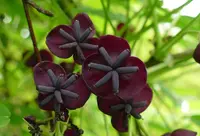
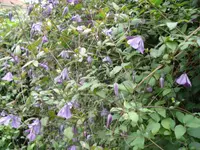
Purple clematis (Clematis viticella) is a deciduous climbing vine valued for its abundant purple flowers and relatively strong vigor. It grows by twining leaf stalks around supports, creating vertical color on trellises, fences, or pergolas.

This species is native to parts of Europe and thrives in temperate climates where winters are cool and summers are moderate. Flowers are usually small to medium sized, bell-shaped or open, and produced over a long season when the plant is well sited.

Clematis viticella is generally considered one of the easier clematis types, with good disease resistance and strong regrowth after pruning, which helps simplify how to care for Purple clematis. It prefers sun to light shade, consistent moisture, and fertile, well-drained soil.

Main Plant Requirements

Care Difficulty

Moderate Care

Light Preference

Full Sun

Water Requirements

Regular Water

Temperature Preference

Cold Hardy

Hardiness Zone

4–9

Soil Texture

Loamy, Sandy, Organic-rich

Soil pH

Acidic (5.5–6.5), Slightly acidic (6.5–7.0)

Soil Drainage

Moist but well-drained

Fertilization

Light (every 4–6 weeks)

Get Personalized Care Plan

Scan your plant to receive care tips personalized for your specific plant

Available on iOS and Android

How to Care for the Purple clematis

Clematis viticella flowers best with strong light on the vines and cooler, shaded roots.

  • Provide 6–8 hours of sun daily, with morning sun and light afternoon shade ideal, especially in hot summer climates for Purple clematis.
  • Allow dappled or partial shade (around 3–5 hours direct sun) in very warm regions to reduce leaf scorch and faded blooms.
  • Avoid deep shade, which leads to weak, stretched growth and poor flowering, and protect from reflected heat from walls or paving.

Clematis viticella prefers evenly moist, not soggy, soil supported by deep, infrequent watering.

  • Water when the top 3–5 cm of soil feels dry, soaking the root zone to at least 15–20 cm rather than giving light surface sprinklings.
  • In spring and summer, check moisture 2–3 times per week during dry spells; in cool or rainy periods, water only when soil no longer feels slightly moist.
  • Watch for drooping, dry leaves and crisp edges as signs of underwatering, and yellowing lower leaves or consistently wet soil as signs of overwatering and poor drainage.

This climber handles a wide temperature range but performs best in moderate conditions.

  • Active growth and flowering are strongest around 65–75°F (18–24°C), with steady soil moisture and mulched roots to buffer temperature swings.
  • Established plants tolerate winter cold down to about -20°F (-29°C) in the ground, but young plants benefit from a 5–8 cm mulch layer over the root zone in freezing weather.
  • In hot summers above 85°F (29°C), provide afternoon shade and maintain cool roots with mulch to reduce heat stress, wilting, and flower shortening.

Humidity is usually not critical for Clematis viticella in typical outdoor conditions.

  • Performs well in 30–60% humidity commonly found outdoors in temperate regions.
  • Tolerates relatively dry air if soil moisture is stable and roots are mulched.
  • Humidity stress shows as crisp leaf edges and faster wilting during hot, dry winds.
  • Increase humidity slightly by underplanting, adding organic mulch, or using nearby dense plantings that slow air movement.

Clematis viticella needs consistently moist, well-structured soil that drains freely yet retains some water.

  • Aim for a loamy, organic-rich soil with a crumbly structure that allows roots to spread easily.
  • Ensure drainage is fast but not extreme; water should drain within a few minutes without pooling on the surface.
  • Target a slightly acidic to neutral pH of about 6.0–7.0 to support nutrient uptake and root health.
  • Prepare planting soil with roughly 40–50% garden soil, 30–40% compost, and 10–20% coarse material such as perlite or grit to improve aeration and prevent waterlogging.

This species is suitable for container growing when given a deep, stable pot and careful moisture management.

  • Choose a tall, heavy container to counterbalance vine growth and support a trellis without tipping.
  • Use a deep pot so roots can stay cooler and shaded while the top growth climbs in full sun.
  • Select thicker-walled clay or composite pots if the site is windy, as they buffer temperature swings and improve stability.

Clematis viticella responds well to moderate feeding that supports flowering without excessive leafy growth.

  • Use a balanced granular fertilizer (such as 10-10-10) or a slow-release bloom formula in spring as new shoots emerge.
  • Apply compost or well-rotted manure as a 2–5 cm mulch around, but not against, the stems once each spring.
  • Feed every 4–6 weeks through mid-summer with a half-strength liquid fertilizer if growth or flowering is weak.
  • Reduce or stop feeding in late summer and avoid fertilizing during winter dormancy to prevent soft, frost-prone growth.

Clematis viticella flowers on new growth and benefits from decisive annual pruning to maintain a strong, floriferous framework.

  • Prune in late winter to early spring before buds break, using sharp, clean bypass pruners.
  • Cut all main stems back to 30–60 cm above soil level, just above healthy pairs of buds to encourage vigorous new shoots.
  • Remove dead, damaged, or crossing stems at the base to reduce disease risk and improve air flow.
  • Use pruning to maintain size, keep flowering at eye level, and prevent the vine from becoming woody and sparse at the base.

This clematis is more often grown in the ground, so transplanting and occasional container up-sizing are more important than frequent repotting.

  • Check for roots circling the pot, water running straight through, or stalled growth as signs a container plant needs more space.
  • Plan transplanting or up-potting for early spring or early fall when temperatures are mild and soil is workable.
  • Move to a container 1–2 sizes larger, using free-draining, rich soil and setting the crown 5–8 cm deeper than before.
  • Water thoroughly after moving, shade the plant from intense sun for 7–10 days, and keep soil evenly moist to limit root stress.

Clematis viticella is commonly propagated by cuttings and layering, with seeds and division used less often in home gardens.

  • Take softwood or semi-ripe stem cuttings in late spring to summer, each with 2–3 nodes, and root in a moist, free-draining mix.
  • Provide bright, indirect light, high humidity, and warmth around 68–75°F to support root formation in cuttings.
  • Use simple layering in spring: pin a flexible stem into shallow soil, keep it moist, and separate once well rooted.
  • Sow fresh seeds in pots kept cool over winter; germination may be slow and variable, so label and monitor patiently.

This clematis is generally cold hardy in much of the US and needs only modest winter care once established.

  • Tolerates typical frosts in USDA zones 4–9, with top growth dying back naturally in colder areas.
  • Apply a 5–8 cm mulch of compost, bark, or leaves around the root zone to buffer freeze–thaw cycles.
  • Leave stems in place over winter for extra crown insulation, then prune back hard in late winter as part of routine Clematis viticella care instructions.
  • For container-grown plants in colder regions, move pots against a sheltered wall and insulate containers with bubble wrap or straw.

Care Tips

Deep root shading

Mulch the root zone with 5–8 cm of composted bark or leaf mold and underplant with low perennials to keep the root area cool while allowing the vine top to remain in full sun.

Secure early training

As new shoots reach 20–30 cm, loosely tie them to the support with soft ties every 20–25 cm so the stems establish a stable framework that resists wind damage later in the season.

Ventilated support choice

Use open trellis, wires, or mesh rather than solid panels so air can move freely around stems and foliage, reducing the risk of powdery mildew and wilt problems.

Clean pruning practice

When cutting back in late winter, disinfect pruners between plants and remove any weak or blackened stems from the site to lower the chance of fungal disease carryover when caring for Purple clematis.

Targeted stem protection

In exposed gardens, clip lightweight plant clips or soft ties just below flower clusters to nearby supports so heavy blooms do not snap stems in strong wind or rain.

Common Pests and Diseases

Clematis wilt

This disease causes sudden blackening and collapse of stems, often just as the plant comes into vigorous growth or flower. Symptoms include shriveled leaves and shoots that die back from the top or from a specific point on the stem.

Solution

Cut out all affected stems back to healthy green tissue or to the base, and dispose of them in household trash, not compost. Keep the crown cool and evenly moist, improve soil drainage, and avoid damaging stems at soil level, which reduces the risk of future infections and supports long-term Clematis viticella plant care.

Powdery mildew

This disease produces a white or gray powdery coating on leaves and young stems, sometimes followed by yellowing and premature leaf drop. Symptoms include slowed growth and reduced flowering when infections are heavy.

Solution

Remove and discard heavily affected leaves, then improve air circulation by thinning dense growth and avoiding overhead watering. If needed, use a sulfur- or potassium bicarbonate-based fungicide labeled for ornamentals, applying in dry weather and repeating as directed to protect new foliage.

Slugs and snails

These pests chew irregular holes in young leaves and can strip soft new shoots, especially at ground level. Symptoms include ragged foliage and missing shoot tips, mainly in spring and during wet periods.

Solution

Hand-pick slugs and snails in the evening, protect emerging shoots with barriers such as copper tape or rough gravel, and reduce hiding spots by clearing debris near the crown. Where pressure is high, use iron phosphate slug pellets according to label directions, keeping them away from children and pets.

Aphids

These insects cluster on soft shoot tips and flower buds, sucking sap and causing curling or distortion of new growth. This pest also excretes sticky honeydew that can attract sooty mold on leaves and stems.

Solution

Dislodge colonies by spraying shoots with a strong stream of water, then prune off heavily infested tips if practical. For persistent infestations, apply an insecticidal soap or horticultural oil, coating the undersides of leaves and repeating at 5–7 day intervals until numbers drop.

Clematis leaf spot

This disease causes small brown or purple spots on leaves that can merge into larger blotches, sometimes leading to partial defoliation in humid or wet conditions. Symptoms include weakened plants and poorer flowering over time if infections recur annually.

Solution

Remove and discard spotted leaves as soon as they appear and clean up fallen foliage at the end of the season to reduce fungal spores. Improve air movement around the plant, water at the base rather than overhead, and if needed use a foliar fungicide labeled for leaf spots on ornamentals, starting early in the season when new growth appears.

Interesting Facts

Viticella pruning group

Clematis viticella belongs to pruning group 3, meaning it flowers only on new season’s growth and is typically cut back hard each year to encourage abundant summer blooms.

High wilt tolerance

Compared with many large-flowered clematis, this species shows notable tolerance to clematis wilt, so it is often used in breeding programs to create more disease-resilient cultivars.

Heat and sun adapted

This species is well adapted to warmer, sunnier sites than many other clematis, which makes Clematis viticella care instructions especially suitable for gardens with hot summers and strong sun exposure.

Botan icon

Did you know?

Historical records show that Clematis viticella was already cultivated in European gardens by the 16th century, making it one of the earliest clematis species intentionally selected and grown as an ornamental climber.

FAQs about Purple clematis

Lack of flowers usually comes from insufficient light, incorrect pruning group, or too much nitrogen fertilizer. Frost-damaged buds, young age, or recent transplanting can also delay flowering, even when overall growth looks healthy.

Grow Healthy Plants with Botan Care

Keep your plants happy and healthy with plant identification, disease detection, and easy care guidance.

Botan plant care app — identify plants on mobile

Explore More Plants