

Provide climbing support
Install a sturdy trellis or wire mesh early and guide young vines with soft ties so stems harden in the right direction and avoid kinks or breakage later.

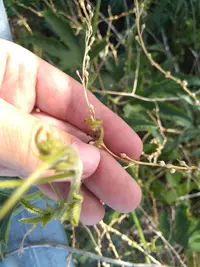
Melonleaf, Cayaponia bonariensis, is a fast-growing climbing vine in the gourd family. It is grown mainly for its lush foliage and vining habit, not for fruit. The plant typically has soft, green, heart-shaped leaves and slender stems that scramble or climb over supports. In suitable conditions it can form a dense, leafy cover. In nature, melonleaf occurs in subtropical and tropical regions of the Americas, often in forest edges, thickets, and disturbed areas. This background makes it an adaptable plant in mild climates, but it can spread quickly outdoors. For those who want to know how to care for melonleaf, it generally prefers bright light, moderate moisture, and well-drained soil.

Care Difficulty
Moderate Care

Light Preference
Partial Sun

Water Requirements
Moderate Water

Temperature Preference
Warm Climate

Hardiness Zone
Unknown

Soil Texture
Loamy, Sandy, Organic-rich

Soil pH
Slightly acidic (6.5–7.0)

Soil Drainage
Well-drained

Fertilization
Minimal (feed rarely)
Scan your plant to receive care tips personalized for your specific plant
Available on iOS and Android
Cayaponia bonariensis prefers bright, indirect light with some direct sun, especially in cooler hours.
This species prefers evenly moist, well-drained soil and reacts quickly to prolonged drought or saturation.
This vine grows best in warm, frost-free conditions with moderate seasonal variation.
This species tolerates a broad humidity range but benefits from moderately humid air indoors.
This vine prefers loose, fast-draining, organic-rich soil that stays slightly moist but never waterlogged.
This species is suitable for container growing when its vining habit and root space are considered.
Cayaponia bonariensis benefits from light, targeted feeding during active growth but does not need heavy fertilization.
Pruning Cayaponia bonariensis is mainly used to manage vine length and keep growth tidy.
This species is more often grown in the ground, so focus on careful transplanting or occasional container upsizing when growth demands it.
Cayaponia bonariensis is usually propagated by seed, with stem cuttings also possible under warm, humid conditions.
In mild climates this vine needs little attention in winter, but light protection improves long-term vigor in colder areas.

Plant Health Check
Not sure what's wrong with your plant? Check your plant's health inside the app.
In its native South American range, this vine is primarily pollinated by specific native bees that are attracted to its pale, tubular flowers and their timing of nectar production, illustrating a relatively specialized plant–pollinator relationship within the gourd family.
This species is a true cucurbit (family Cucurbitaceae), forming slender climbing vines with tendrils and small pepo-type fruits, structurally similar in basic anatomy to miniature gourds or squashes.
It naturally occurs from open scrub and forest edges to disturbed areas such as roadsides, showing considerable ecological tolerance across light levels and soil types in warm-temperate to subtropical climates.
Poor flowering often comes from insufficient light, low nutrition, or stress from irregular watering. Ensure a bright position, moderate but consistent moisture, and a balanced fertilizer during the growing season to support bud formation and sustained flowering.
Keep your plants happy and healthy with plant identification, disease detection, and easy care guidance.

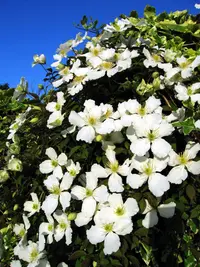
Anemone clematis
Clematis montana

hillside false bindweed
Calystegia subacaulis
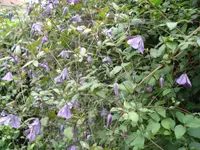
Purple clematis
Clematis viticella
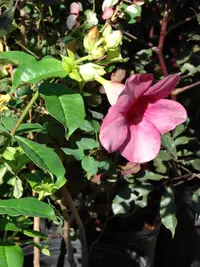
purple allamanda
Allamanda blanchetii
Three-Leaved Wild Vine
Causonis trifolia
wild clematis
Clematis virginiana
 POPULAR
Madagascar jasmine
Stephanotis floribunda

New Zealand Bindweed
Calystegia tuguriorum