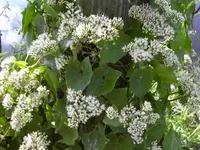
Provide climbing structure
Install a sturdy trellis, wire mesh, or horizontal strings early on so the vine can attach and climb, which improves light exposure, air flow, and makes inspecting stems and fruit much easier.

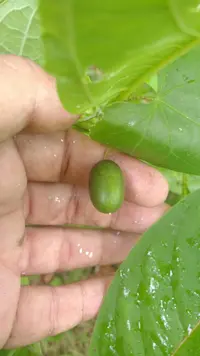
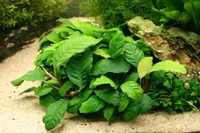
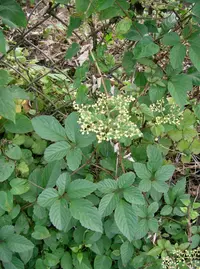
Mountain melonleaf, Cayaponia racemosa, is a vigorous tropical vine in the gourd family, valued mainly for its dense foliage rather than showy flowers. It typically climbs or sprawls, using tendrils to cling to supports, and forms a lush green curtain of medium-sized leaves.
This species is native to parts of Central and South America, where it grows in warm, humid forests and thickets. In cultivation it is usually grown as an ornamental foliage climber, and consistent warmth and moisture help keep growth steady.
For those learning how to care for mountain melonleaf, the plant generally prefers bright, filtered light, evenly moist but not waterlogged soil, and some structural support to control its vigorous habit.

Care Difficulty
Moderate Care

Light Preference
Partial Shade

Water Requirements
Moderate Water

Temperature Preference
Tropical / Frost Sensitive

Hardiness Zone
10–12

Soil Texture
Loamy, Sandy, Organic-rich

Soil pH
Acidic (5.5–6.5), Slightly acidic (6.5–7.0)

Soil Drainage
Moist but well-drained

Fertilization
Minimal (feed rarely)
Scan your plant to receive care tips personalized for your specific plant
Available on iOS and Android
This tropical vine grows best with bright, indirect light and limited direct sun exposure.
This species prefers evenly moist, well-drained soil that never stays waterlogged for long.
This vine prefers warm, stable temperatures and does poorly in cold or frosty conditions.
This species grows best in moderately humid air but copes with typical household levels.
Cayaponia racemosa prefers a loose, fast-draining yet moisture-retentive substrate.
This vine adapts well to container culture when given stable support and adequate root volume.
Cayaponia racemosa benefits from modest feeding to support vine growth and flowering in containers or managed beds.
Pruning Cayaponia racemosa keeps the vine manageable and encourages healthy, flowering growth.
This vine is more often transplanted in the ground than grown long-term in containers, but root disturbance should still be gentle.
Cayaponia racemosa is usually propagated by seed, with stem cuttings used where controlled conditions are available.
Mountain melonleaf is a tropical to subtropical vine with low frost tolerance, so winter care matters in cooler climates.

Plant Health Check
Not sure what's wrong with your plant? Check your plant's health inside the app.
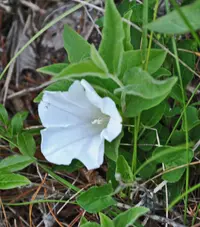
This neotropical vine produces night-opening, tubular white flowers that are adapted to bat pollination, with shape and timing matching the activity of nectar-feeding bats in its native range.
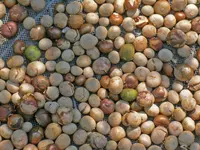
As a member of the cucumber family (Cucurbitaceae), it bears small, soft-fleshed fruits that are eaten locally in parts of South America, where the species grows in forest edges and secondary vegetation.
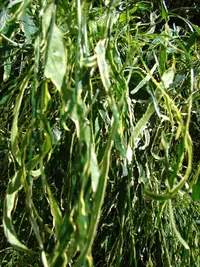
The plant grows as a slender, twining liana that uses tendrils to climb over shrubs and trees, helping it reach brighter light above the understory in tropical and subtropical habitats.
This species is a twining vine that climbs rather than forming a mat. It wraps around nearby branches, trellises, or wires. Without support, stems flop and scramble over the ground instead of creating a tidy, self-supporting mound.
Keep your plants happy and healthy with plant identification, disease detection, and easy care guidance.