Spanish cedar Care (Cedrela odorata)

Also known as: Cigar-box Wood, Red Cedar, West Indies Cedrela, Barbados Cedar, Central American Cedar, Cigar Box Cedar, West Indian Cedar
Spanish cedar

About Spanish cedar

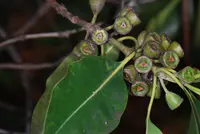
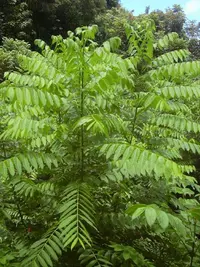
Spanish cedar, Cedrela odorata, is a fast-growing deciduous tree valued for its fragrant, termite-resistant wood. It develops a broad, open crown with pinnate leaves and can reach substantial height in suitable climates.

This species is native to tropical and subtropical regions of the Americas, from Mexico through Central America to northern South America and the Caribbean. It is typically found in seasonal forests and well-drained lowland sites.

Spanish cedar adapts best to warm climates, full sun, and freely draining soils, which makes it easier to manage in plantations than in small gardens. Understanding how to care for Spanish cedar starts with providing warmth, good light, and protection from prolonged waterlogging or cold.

Main Plant Requirements

Care Difficulty

Moderate Care

Light Preference

Full Sun

Water Requirements

Moderate Water

Temperature Preference

Tropical / Frost Sensitive

Hardiness Zone

10–12

Soil Texture

Sandy, Loamy, Organic-rich

Soil pH

Acidic (5.5–6.5), Slightly acidic (6.5–7.0)

Soil Drainage

Well-drained

Fertilization

Minimal (feed rarely)

Get Personalized Care Plan

Scan your plant to receive care tips personalized for your specific plant

Available on iOS and Android

How to Care for the Spanish cedar

This tropical tree needs strong light and warmth to form a straight trunk and dense canopy.

  • Provide 6–8 hours of direct sun daily; young Spanish cedar benefits from morning sun with light afternoon shade in hot climates.
  • In very hot, dry regions, protect from intense afternoon sun with 30–40% shade cloth or positioning near taller trees.
  • Partial shade (4–5 hours sun) is tolerated but slows growth; sparse foliage and long, weak shoots indicate insufficient light.

This species prefers evenly moist, well‑drained soil, especially during establishment.

  • Water when the top 3–5 cm of soil feels dry, applying a deep soak that moistens the root zone rather than frequent shallow sprinkling.
  • Reduce watering in cool or rainy seasons; allow the surface to dry more between waterings while avoiding complete soil desiccation.
  • Poor drainage, sour smell, and yellowing leaves suggest overwatering, while curling or scorched leaf edges and very dry soil indicate underwatering in Cedrela odorata.

This tropical hardwood grows best in warm, frost‑free conditions with moderate seasonal variation.

  • Optimal growth occurs around 70–86°F (21–30°C), with consistent warmth promoting faster height and trunk development.
  • Mature trees tolerate brief drops to about 40°F (4°C), but young plants are damaged below 45°F (7°C) and should be protected.
  • Frost is harmful at 32°F (0°C) and below; during heatwaves above 95°F (35°C), ensure soil moisture and some afternoon shade to reduce stress.

This species prefers moderately humid air but usually adapts if humidity is not extremely low.

  • Aim for 50–70% humidity, especially for young Spanish cedar plants or those in containers.
  • Dry air can cause leaf edge browning and increased leaf drop, especially during hot, windy periods.
  • Increase humidity locally with grouped plants, a nearby water tray, or light, regular misting in very dry climates.

Cedrela odorata grows best in deep, loose, well-drained mineral soil with moderate organic matter.

  • Use a loamy or sandy-loam soil that stays slightly moist but never waterlogged, as prolonged saturation promotes root diseases.
  • Target a slightly acidic to neutral pH of about 6.0–7.5 for best nutrient availability and root health.
  • In planting areas, incorporate 20–30% compost plus coarse sand or fine gravel to balance nutrient content with drainage and aeration.
  • Avoid heavy, compacted clay, saline soils, or spots where water stands after rain, since restricted aeration stunts growth and increases rot risk.

This tree can be grown in containers when young or kept smaller, but it requires careful pot management.

  • Choose a tall, heavy container to provide deep root space and prevent the tree from tipping in strong winds.
  • Select a thick-walled or non-porous pot material if rapid drying is a problem, since large foliage can increase water demand.
  • Anchor the container with bricks or place it against a solid support to stabilize the plant as the trunk thickens and canopy enlarges.

Cedrela odorata benefits from moderate feeding in active growth but does not require heavy fertilization.

  • Use a balanced slow-release fertilizer (for example 10-10-10 or 14-14-14) or well-rotted compost mixed into the topsoil in spring.
  • Feed young or container-grown Spanish cedar every 6–8 weeks in the growing season; reduce to light feeding or none in winter.
  • Apply fertilizers at half the label strength for container plants to avoid root burn and salt buildup.
  • Water thoroughly after feeding to help nutrients move into the root zone and to dilute any concentrated salts.

Cedrela odorata responds well to light, structured pruning aimed at safety and form.

  • Carry out main pruning in late winter or very early spring before new growth starts.
  • Remove dead, diseased, rubbing, or storm-damaged branches first, using clean, sharp bypass pruners or a pruning saw.
  • Thin crowded interior shoots to improve light penetration and airflow while keeping the natural form.
  • Limit height or shape the crown with a few targeted cuts rather than heavy topping, which weakens branch structure.

This species is usually grown in the ground, so focus on careful transplanting of young trees rather than long-term container culture.

  • Transplant in late winter to early spring when growth is slow and temperatures are mild.
  • Look for circling roots, roots emerging from drainage holes, or stalled growth as signs a young container tree needs a larger space.
  • Move up only 1–2 pot sizes or into a prepared ground site with deep, well-drained soil to prevent waterlogging.
  • Minimize root stress by watering deeply before and after planting, keeping the root ball intact, and shading the tree for 1–2 weeks if conditions are hot.

New Cedrela odorata plants are most reliably produced from seed under warm, controlled conditions.

  • Collect ripe seeds, remove any pulp, and sow fresh for best germination.
  • Sow in late spring to early summer in a free-draining mix, keeping temperatures around 75–85°F and moisture evenly maintained.
  • Cover seeds lightly, as they need air as well as moisture; avoid waterlogging to limit damping-off disease.
  • Semi-hardwood cuttings may root under high humidity and bottom heat, but success rates are often lower than with seeds.

This tropical tree is frost-sensitive and needs protection in regions with cool winters, especially when young.

  • In USDA zones cooler than 10–11, grow Cedrela odorata in large containers and move indoors or to a heated greenhouse before frost.
  • Mulch the root zone with 5–8 cm of organic material to buffer soil temperature and conserve moisture.
  • Shelter young outdoor trees with burlap screens or temporary covers during brief cold snaps, ensuring good ventilation.

Care Tips

Windfirm training

Stake young trees on the windward side and gradually loosen ties over 2–3 seasons so trunks flex and strengthen, reducing breakage once the tree is grown for timber or shade.

Leader selection

When the tree is 1–3 years old, remove competing upright shoots and keep a single, straight central leader to produce a higher-quality, more uniform trunk.

Root run management

In the first 2–3 years, keep at least a 60–90 cm grass‑free circle around the trunk and mulch it, so roots can expand without competition from turf or aggressive groundcovers.

Borer monitoring band

Wrap a 10–15 cm wide strip of corrugated cardboard around the lower trunk during peak borer season, then remove and burn or discard it after 4–6 weeks to physically trap some boring insect larvae before they enter the wood.

Dry‑season adjustment

In regions with a marked dry season, reduce irrigation frequency as leaves begin to yellow and drop, then resume deeper but spaced-out watering with the first strong flush of new growth to match the tree’s natural cycle when growing Spanish cedar.

Common Pests and Diseases

Shoot borer

This pest is a larval moth whose caterpillars bore into young shoots, causing wilting, dieback, and forking of stems in young trees.

Solution

Prune and destroy infested shoots as soon as wilting or entry holes are seen, and avoid leaving pruned material on the ground; in plantations or groups of trees, use light traps and maintain good spacing to reduce moth buildup, and protect young plants with physical barriers or targeted biological insecticides based on Bacillus thuringiensis where allowed.

Leaf-cutting ants

These insects remove pieces of leaves and carry them to their nests, which can severely defoliate seedlings and young trees.

Solution

Locate and treat nests directly using approved ant baits or boiling water where safe and legal, and protect young trunks with sticky barriers or physical collars while keeping surrounding ground free of tall weeds that help ants access the canopy.

Leaf spot

This disease produces brown to black spots or blotches on foliage, sometimes with yellow halos, leading to premature leaf drop under humid conditions.

Solution

Remove and dispose of heavily spotted fallen leaves to reduce inoculum, improve airflow and light penetration around the canopy, and, in high-value plantings, apply a copper-based or other labeled fungicide preventively during extended wet periods following local guidelines.

Canker

This disease causes sunken, cracked, or swollen lesions on stems and branches, which can girdle tissues and lead to dieback above the affected area.

Solution

Prune out infected branches well below visible symptoms during dry weather, disinfect pruning tools between cuts, avoid trunk injuries and water stress, and in plantations or grouped trees select and retain only vigorous, well-formed individuals less prone to repeated infection.

Interesting Facts

Distinct aromatic heartwood

The wood of this species has a characteristic cedar-like scent caused by a complex mix of terpenoids, which also helps make it naturally resistant to many wood-boring insects and fungi.

Key host for mahogany shoot borer

Cedrela odorata is a primary host of the moth Hypsipyla grandella, whose larvae bore into young shoots and severely limit plantation productivity across tropical America.

Wide native distribution

This tree naturally occurs from Mexico through Central America into much of tropical South America, occupying rainforests, seasonal dry forests, and riverine habitats, which reflects its broad ecological adaptability.

Botan icon

Did you know?

Despite its common name, Spanish cedar is neither a true cedar (genus Cedrus) nor closely related to North American redcedars; it belongs to the mahogany family, Meliaceae, alongside genuine mahogany species used for fine furniture and cabinetry.

FAQs about Spanish cedar

This tree is generally fast-growing, often adding 60–90 cm in height per year in warm climates with adequate moisture and fertile, well-drained soil. Growth slows in poor soil, dry conditions, cool temperatures, or confined root space.

Grow Healthy Plants with Botan Care

Keep your plants happy and healthy with plant identification, disease detection, and easy care guidance.

Botan plant care app — identify plants on mobile

Explore More Plants