



Oriental bittersweet Identification (Celastrus orbiculatus)

To recognize Oriental bittersweet, look for a twining woody vine with alternate, nearly round to broadly oval leaves, usually 2 to 5 inches (5 to 13 cm) long, with finely toothed edges.

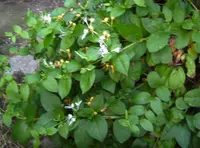
Older stems become thick and rope-like, and the small flower clusters sit in the leaf axils, where each leaf joins the stem.

Celastrus orbiculatus Identification

Identify a Plant by Photo

Take a photo and use Botan to confirm your plant identification.

Clear images work best. Avoid photos taken too close or too far away

  • 1 free identification
  • No sign-up
  • 30,000+ plants in database

Check the vine’s leaves, fruit placement, and twining stems.

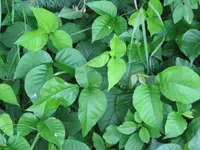
  • Leaves are simple, alternate, and usually round to broadly oval, often with a pointed tip and fine toothed edges.
  • Leaf blades are about 2-5 inches (5-13 cm) long, often nearly as wide as long.
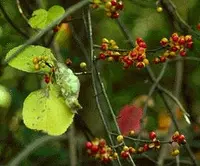
  • Fruits form in clusters along the leaf axils, where leaves join the stem, rather than only at stem tips.
  • The fruit capsules are yellow and split open to reveal bright red-orange seeds.
  • Stems are woody and twining, with older vines becoming thick and rope-like.

Axillary fruit clusters are one of the quickest field marks to check.

Celastrus orbiculatus shows clear visual shifts from twining sapling to heavy fruiting vine.

  • Young plant: Slender, twining stems climb or trail with alternate rounded leaves, often 2-5 inches (5-13 cm) long, and little woody thickening.
  • Mature plant: Older vines become strongly woody and rope-like, with thicker stems, denser branching, and a climbing habit that blankets shrubs and tree trunks.
  • Fruiting stage: Female branches carry clusters of round capsules at leaf axils; they split open to expose orange-red arils, making the vine much more conspicuous.

In spring, Oriental bittersweet leafs out with rounded, finely toothed leaves. Small greenish-yellow flower clusters become visible in late spring to early summer, usually from the leaf axils. By late summer into fall, yellow capsules develop and split open to reveal bright red-orange seeds. After leaf drop, the twining stems and persistent fruit can remain visible for a time, making the vine easier to recognize.

Several woody vines can be mistaken for Celastrus orbiculatus at a quick glance.

American bittersweet(Celastrus scandens)

Both are twining vines with yellow capsules that split to show red-orange seeds. American bittersweet usually bears fruit in terminal clusters at branch tips, while this species fruits all along the stem at leaf axils. Its leaves are also often more elongated and pointed.

Climbing nightshade(Solanum dulcamara)

This scrambling vine can also carry red berries on thin stems. The difference is the fruit: climbing nightshade has smooth, unsplit berries in hanging clusters, not yellow capsules that open. Its leaves are often lobed near the base, unlike the usually rounder, unlobed bittersweet leaves.

Celastrus orbiculatus is native to eastern Asia, including China, Korea, Japan, and the Russian Far East. It typically grows in forest edges, thickets, streambanks, and disturbed woodland from lowlands into lower mountains. That setting helps with identification because a twining vine covering shrubs or small trees in edge habitat fits this species better than many non-climbing woodland plants.

  • Poisonous fruit and seeds: The yellow-orange capsules and red arils of Celastrus orbiculatus are poisonous if eaten. The main concern is ingestion by humans and pets, especially children attracted to the colorful fruit.
  • Other plant parts: Leaves and stems are also considered toxic if ingested by humans or pets. This is an ingestion risk rather than a skin-contact hazard.

Confirm the Species with Botan

Use a photo to identify or verify the plant, helping avoid mix-ups with similar species before taking the next step.

FAQ

Yes. In fall, leaves turn yellow, and the outer capsule splits to reveal bright red-orange arils around the seeds. Those clustered fruits along the stems are a key feature for how to identify Oriental bittersweet.

More Plant Identification Guides

Identify First. Learn What Comes Next.

Use a photo with Botan to identify the plant, then see plant details, care information, and common problems.

Botan app identifying a plant from a photo
When to Harvest Carrots: Timing, Signs, and How to Pick Them

6 min read · 23 Oct 2026

When to Harvest Carrots: Timing, Signs, and How to Pick Them

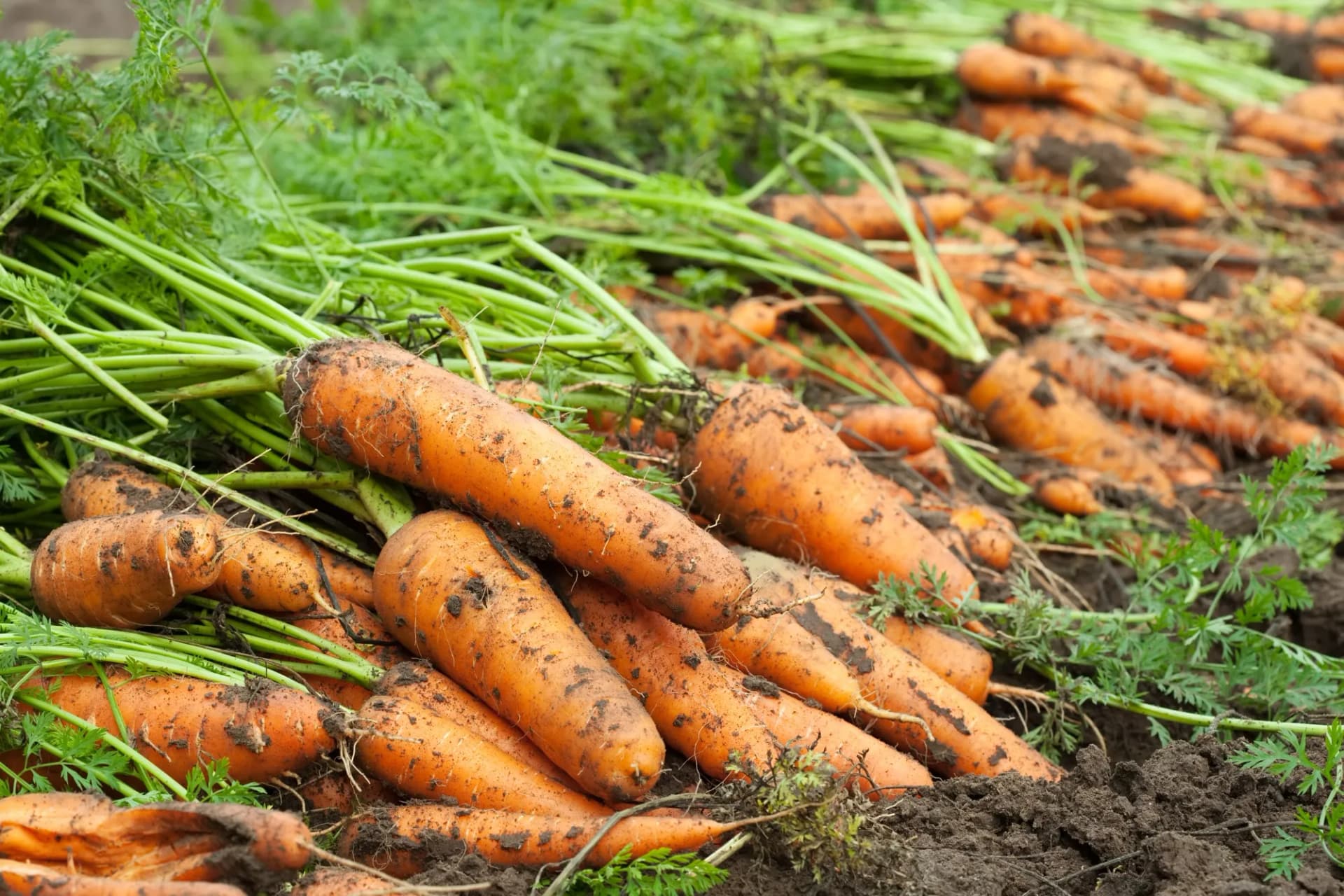
Carrots are usually ready 60-80 days after sowing them in the soil, depending on the variety. Learn how to recognize maturity signs, choose the right harvest season, pull carrots without damaging them, and store roots after picking.

Plant Care
When to Harvest Carrots: Timing, Signs, and How to Pick Them
How to Kill Weeds With Vinegar in Driveway and Sidewalk Cracks

5 min read · 25 Nov 2026

How to Kill Weeds With Vinegar in Driveway and Sidewalk Cracks

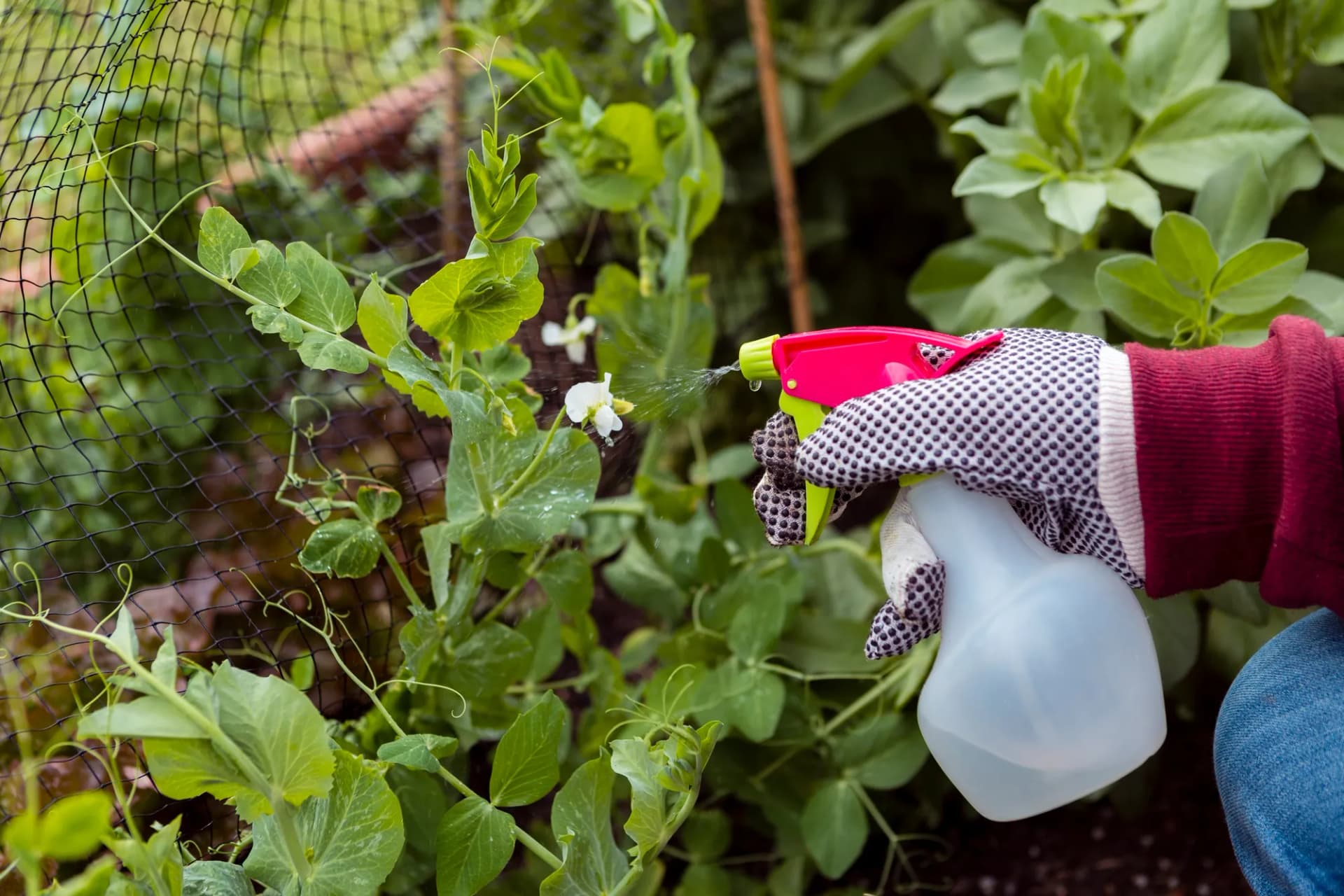
Vinegar works on weeds, but there are some nuances. Household vinegar (about 5%) sprayed onto the leaves of young annual weeds on a sunny day makes them wilt within a few hours.

Plant Care
How to Kill Weeds With Vinegar in Driveway and Sidewalk Cracks
12 Best Cold-Hardy Vegetables for Cold Weather

7 min read · 13 Oct 2026

12 Best Cold-Hardy Vegetables for Cold Weather

Cold-hardy vegetables can keep a garden productive through chilly fall, winter, and early spring weather. This guide covers 12 reliable crops, their frost tolerance, and practical growing tips for better cold-season harvests.

Plant Recommendations
12 Best Cold-Hardy Vegetables for Cold Weather