
Japanese honeysuckle Identification (Lonicera japonica)

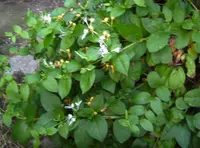
Recognize Japanese honeysuckle by its twining vine habit, pairs of opposite oval leaves, and tubular two-lipped flowers borne in leaf axils. Leaves are usually 1 to 3 inches (2.5 to 7.5 cm) long, with smooth to slightly lobed margins.

Stems climb by wrapping around supports rather than using tendrils or adhesive roots.

Lonicera japonica Identification

Identify a Plant by Photo

Check your plant ID by uploading a clear photo to Botan.

Clear images work best. Avoid photos taken too close or too far away

Check the vine’s paired leaves, flowers, and fruit on the stem.

  • A twining vine, often climbing and sprawling rather than standing upright.
  • Leaves grow in opposite pairs, are simple, oval to oblong, and usually 1.5-3 inches (4-8 cm) long.
  • Flowers appear in pairs at the leaf axils, with long narrow tubes and two lips.
  • Open flowers are white aging to yellow, with long stamens projecting beyond the petals.
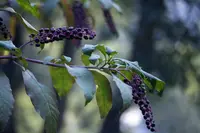
  • Fruits are small, round, glossy black berries borne in pairs.

Paired leaves and paired tubular flowers are the fastest visual clues.

Japanese honeysuckle shows clear visual shifts as stems age and reproductive structures appear.

  • Juvenile plant: Young vines usually have softly hairy green stems and simple opposite leaves, often thinner and less leathery than on older, established climbing growth.
  • Mature plant: Older plants form long twining woody vines, often reaching 10-30 feet (3-9 m), with bark becoming tan to brown and shredding on thicker stems.
  • Flowering stage: Paired tubular flowers appear in leaf axils, white at first then aging yellow, standing out clearly against the vine’s opposite leaves and branching stems.
  • Fruiting stage: After flowering, small glossy black berries replace the paired blossoms in the leaf axils, creating a distinct, more bead-like look along the stems.

Several named selections of Japanese honeysuckle are identifiable mainly by leaf variegation or flower color.

  • 'Aureoreticulata': Leaves show a yellow netted pattern along the veins, rather than the plain green leaves of the typical form.
  • 'Halliana': Flowers are white aging to yellow, with a stronger two-tone display than the usual pale cream to yellow sequence.
  • 'Purpurea': New leaves and cold-weather foliage are flushed purple to bronzy purple, unlike the standard green foliage.
  • 'Variegata': Leaves are irregularly edged or mottled cream to white, creating a clear bicolored look instead of solid green.

In spring, Japanese honeysuckle leafs out quickly on twining stems. In mild climates it may stay partly evergreen, while colder areas show some winter leaf drop and more exposed, wiry stems. From late spring into summer, paired tubular flowers become a strong clue. They open white and often age to cream or yellow. By late summer to fall, small black berries may be visible after flowering.

Several twining vines can be mistaken for Lonicera japonica at a glance.

trumpet honeysuckle(Lonicera sempervirens)

Often confused because both are opposite-leaved climbing honeysuckles with paired tubular flowers. Trumpet honeysuckle usually has red to orange flowers, and the uppermost leaf pair is fused around the stem; Japanese honeysuckle typically has separate leaves and white flowers that age yellow.

coral honeysuckle(Lonicera × heckrottii)

This honeysuckle hybrid can look similar in habit and flower form. It is usually less twining and has showier pink to rose flowers with yellow throats, while the other vine more often has white-to-yellow flowers and a looser, more weedy vine.

Lonicera japonica is native to eastern Asia, including Japan, Korea, and parts of China. In its native range it occurs in thickets, woodland edges, scrub, streambanks, and disturbed ground rather than deep forest or dry open grassland. That setting can help with identification. A vigorous twining honeysuckle found climbing over shrubs, fences, or low trees along edges and roadsides fits this species better than honeysuckles usually confined to interior woods or consistently wet habitats.

  • Berries and ingestion: The berries of Lonicera japonica are considered poisonous if eaten. This is an ingestion concern for humans and pets.
  • Plant parts and pets: Other parts, including leaves and stems, are also treated as potentially harmful if chewed or swallowed by pets, especially dogs and cats.

Not Sure About the ID?

Upload a photo to Botan for help identifying the plant or confirming your match before you label it.

FAQ

The best clue is the paired tubular flowers borne in leaf axils, white at first and aging to yellow, usually very fragrant. For Japanese honeysuckle identification, check opposite leaves and a twining vine rather than a shrub.

More Plant Identification Guides

Identify It. Learn More About It.

Use Botan to identify a plant from a photo, then see plant details, care information, and common problems for that species.

Botan app identifying a plant from a photo
How to Bottom Water Plants: Complete Guide

6 min read · 13 Jul 2026

How to Bottom Water Plants: Complete Guide

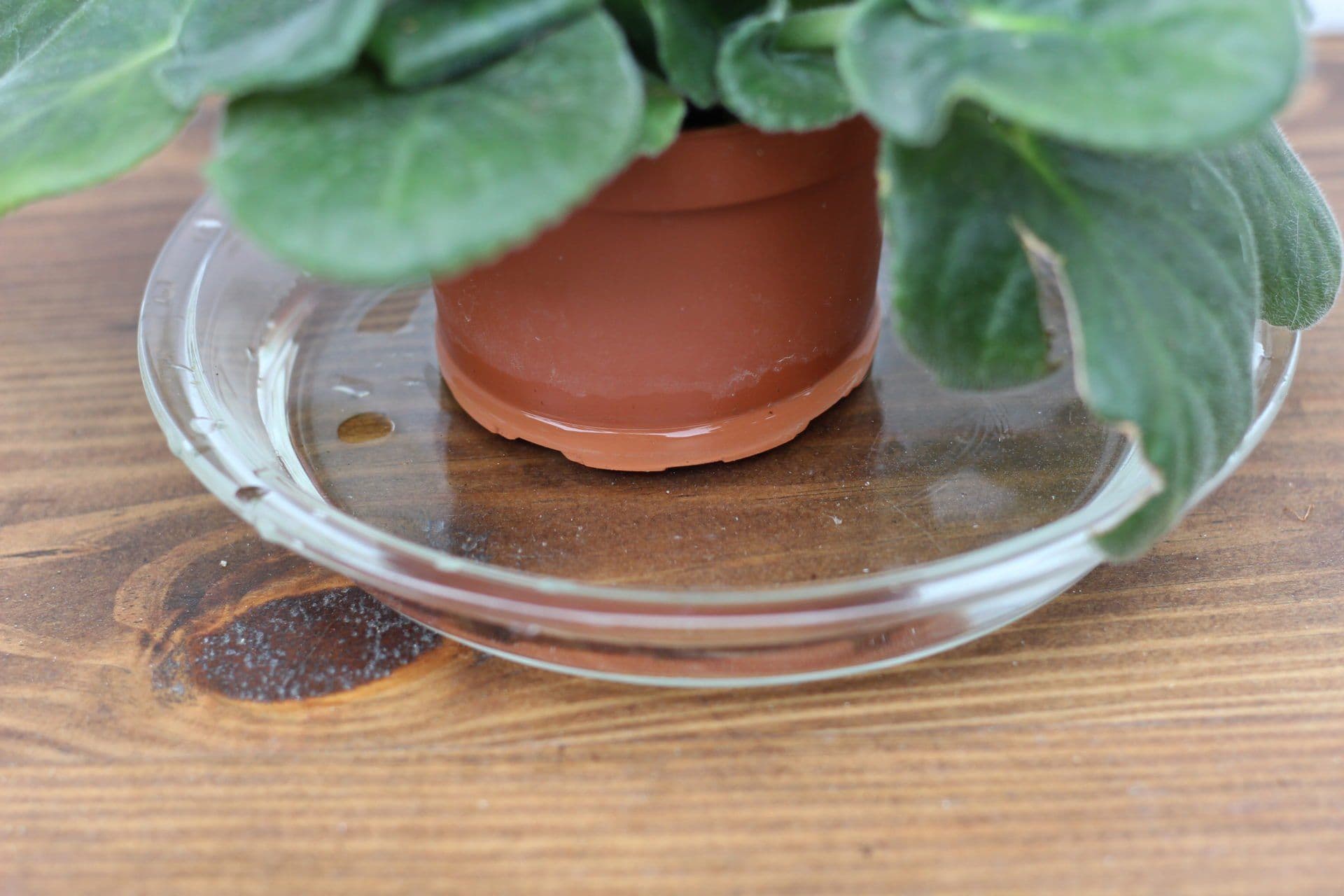
Bottom watering helps soil absorb moisture evenly and keeps foliage dry, reducing the risk of missed dry spots or root problems. Place the pot in a tray of water for a short time, then let it drain well.

Plant Care
How to Bottom Water Plants: Complete Guide
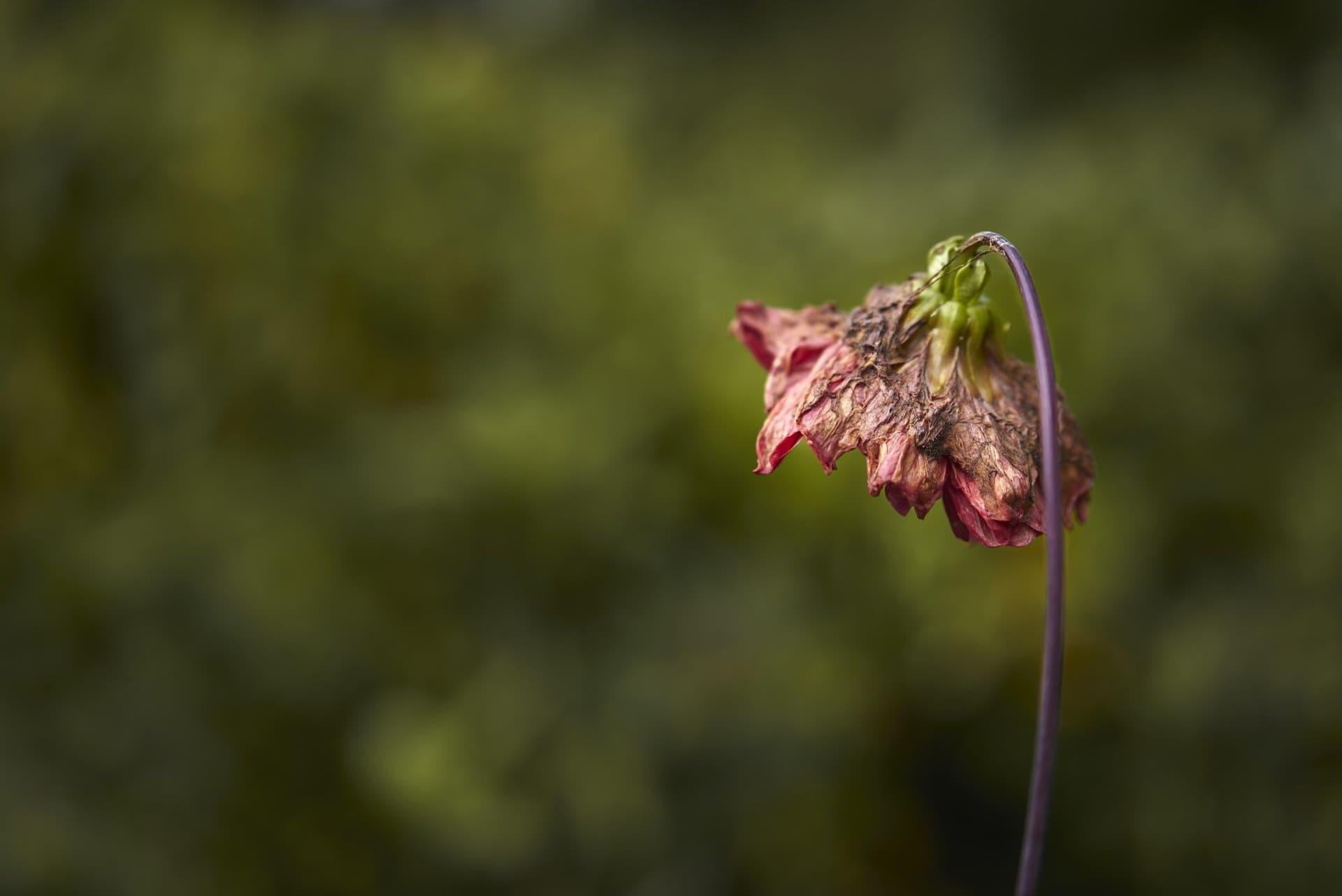
How To Revive a Dying Plant: 6 Steps To Bring A Plant Back To Life

6 min read · 1 Sept 2026

How To Revive a Dying Plant: 6 Steps To Bring A Plant Back To Life

Drooping leaves and brown tips don't always mean the end, and a weakened plant can often recover with a little help. These six simple steps will help you revive a dying plant and restore its health.

Plant Care
How To Revive a Dying Plant: 6 Steps To Bring A Plant Back To Life
How to Group Plants in Landscaping: A Practical Layout Guide

8 min read · 31 Aug 2026

How to Group Plants in Landscaping: A Practical Layout Guide

Good plant grouping can mean the difference between a well-planned garden and one that looks sloppy. This guide explores layers, spacing, cluster shapes, and the plants that thrive when you group them.

Plant Care
How to Group Plants in Landscaping: A Practical Layout Guide