
pokeweed Identification (Phytolacca americana)

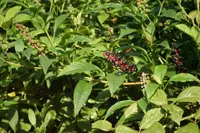
Recognize pokeweed by its thick, smooth stems, alternate oval to lance-shaped leaves, and long, drooping clusters of small flowers or berries arising from the leaf axils.

It usually grows as a tall, upright perennial, often 4 to 10 feet (1.2 to 3 m) high, with a few stout branching stems rather than a woody trunk.

Phytolacca americana Identification

Confirm What Plant You Have

Upload a plant photo and check the identification in seconds.

Clear images work best. Avoid photos taken too close or too far away

Check the whole plant first, then confirm pokeweed with these visible traits.

  • An upright, branching perennial that often stands 3-10 feet (0.9-3 m) tall.
  • Stems are thick, smooth, and usually green to reddish-purple, with swollen nodes.
  • Leaves are simple, alternate, and oval to lance-shaped, often 5-12 inches (13-30 cm) long with smooth edges.
  • Flowers are small, white to greenish, and packed along slender drooping or upright racemes.
  • Fruits hang in clustered, flattened berries that turn deep purple-black and sit on bright reddish stalks.

The thick colored stems and dangling berry clusters are especially useful for a quick visual check.

Pokeweed shows clear, useful visual changes from seedling growth through fruiting stems.

  • Seedling: Seedlings have a few smooth, oval leaves on a soft green stem, lacking the thick reddish stalks and heavy branching of older plants.
  • Young plant: Young plants form larger alternate leaves and sturdier red-tinged stems, usually upright and unbranched at first, often reaching 1-3 feet (30-90 cm).
  • Flowering stage: Flowering plants carry drooping, narrow clusters of small white to greenish flowers from leaf axils, adding obvious side racemes to the leafy stem.
  • Fruiting stage: Fruiting stems become more conspicuous as flower clusters turn into hanging strings of glossy, dark purple berries on bright reddish axes.

In spring, pokeweed emerges with smooth reddish to purple shoots and large green leaves. By early to mid-summer, drooping flower clusters become visible, followed by hanging strings of green berries that darken to glossy deep purple as the season advances. After frost, the top growth dies back completely, leaving no persistent woody stems. This sharp shift from a tall, leafy plant to winter absence can help confirm the species.

A few tall, berry-bearing weeds are often mistaken for pokeweed.

American nightshade(Solanum americanum)

Can share dark berries and simple leaves. It stays much smaller, usually under 3 feet (0.9 m), and its berries hang in small umbels rather than long drooping racemes.

Black nightshade(Solanum nigrum)

Also has black berries and oval leaves. Unlike Phytolacca americana, it has star-shaped white flowers with yellow centers and a shorter, bushier habit.

Blue elderberry(Sambucus nigra subsp. cerulea)

Young plants can suggest the same coarse leafy growth and dark fruit. Elderberry has compound leaves with several leaflets and flat-topped berry clusters, not single leaves and long hanging clusters.

Phytolacca americana is native to eastern North America, from southeastern Canada through much of the eastern and central United States, and into parts of the Gulf Coast region. It commonly appears in disturbed ground, woodland edges, fencerows, roadsides, streambanks, and openings in rich woods. That setting helps with identification because this species often shows up as a tall, weedy perennial in sunny to partly shaded places rather than in deep forest, dry prairie, or coastal dune habitat.

  • Poisonous parts: Phytolacca americana is toxic to humans and pets if eaten. The berries, seeds, leaves, stems, and especially the root are the main concern.
  • Children and pets: The dark berries create the clearest ingestion risk because they can attract children and animals. Poisoning risk relates to swallowed fruit and seeds, not routine skin contact.

Confirm the Species with Botan

Use a photo to identify or double-check a plant, helping avoid mix-ups with similar-looking species.

FAQ

A thick, often reddish stem, alternate smooth-edged leaves, and drooping clusters of dark purple berries on pink to red stalks set this plant apart. In pokeweed identification, the berry clusters are especially useful late in the season.

More Plant Identification Guides

Identify the Plant and Get Its Profile

Use a photo with Botan to identify it, then see plant details, care information, and safety notes for that species.

Botan app identifying a plant from a photo
How Long Can Flowers Go Without Water? Everything You Need to Know

6 min read · 10 Jul 2026

How Long Can Flowers Go Without Water? Everything You Need to Know

Flowers can survive without water anywhere from 1-2 hours to several months, depending on the plant type, species, and growing conditions. Some strong-looking flowers are drought-sensitive, while delicate-looking plants may tolerate long dry periods surprisingly well.

Plant Care
How Long Can Flowers Go Without Water? Everything You Need to Know
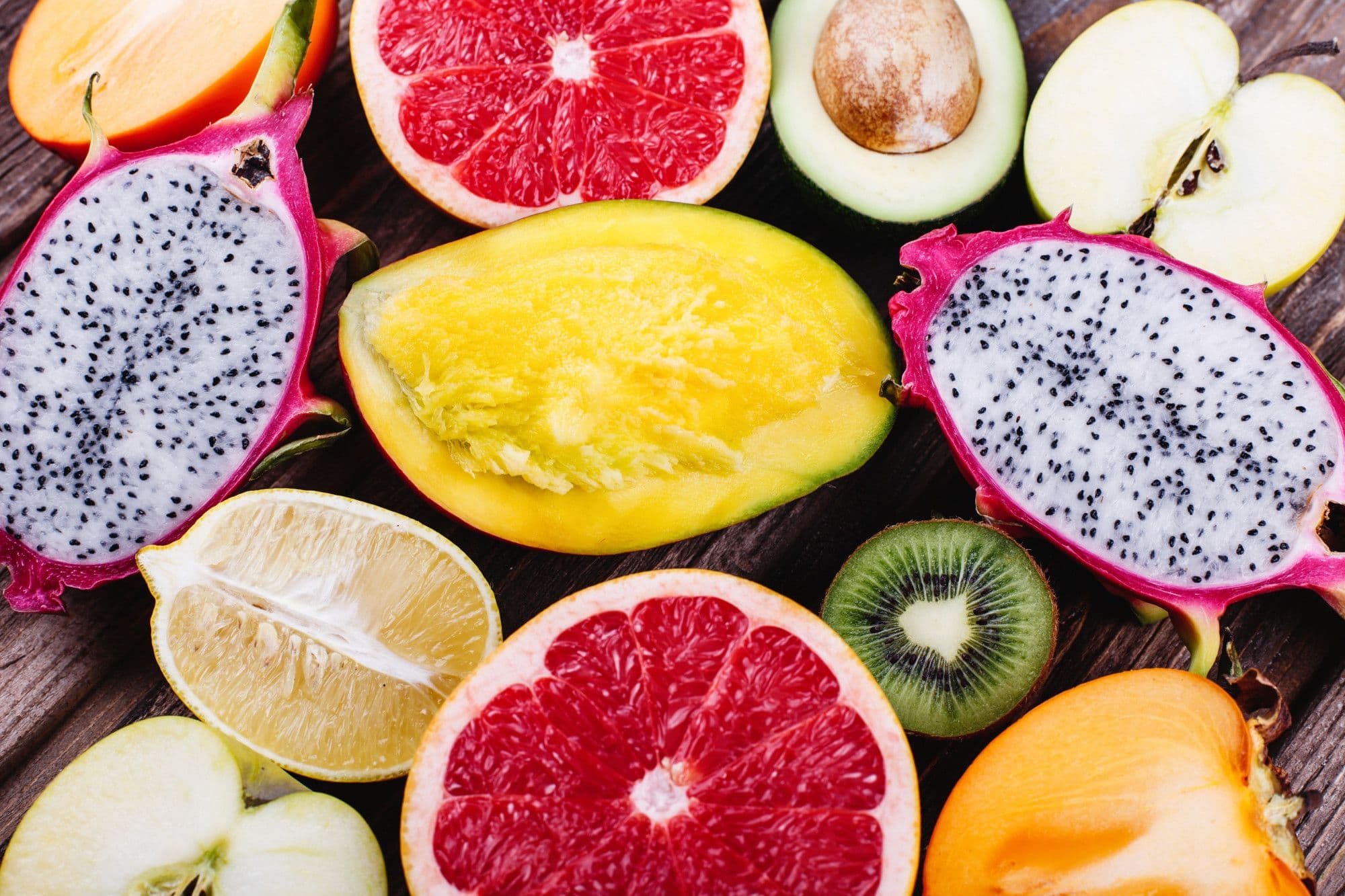
20 Most Popular Fruits Around the World

7 min read · 22 Jul 2026

20 Most Popular Fruits Around the World

Curious which fruits the world actually eats the most? Here's the top-20 by production volume, an overview of what people choose in each region, and a few figures that defy common assumptions.

Plant Recommendations
20 Most Popular Fruits Around the World
13 Best Front Yard Trees for Every Home and Yard

12 min read · 7 Aug 2026

13 Best Front Yard Trees for Every Home and Yard

A front yard tree can stay for decades. Therefore, choosing one deserves serious consideration. Here are 13 trees that have proven themselves, sorted by their purpose. You'll also find five species to avoid and basic planting information.

Plant Recommendations
13 Best Front Yard Trees for Every Home and Yard