climbing corydalis Care (Ceratocapnos claviculata)

climbing corydalis

About climbing corydalis

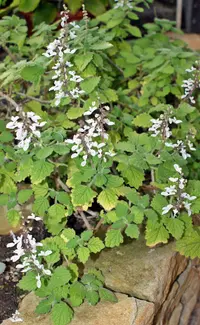
Climbing corydalis (Ceratocapnos claviculata) is a delicate, scrambling annual or short-lived perennial from the poppy family. It forms fine, twining stems that clamber through other plants or over low supports.

Its foliage is light, finely divided, and fern-like, with small, pale cream to yellow tubular flowers that appear in loose clusters. The overall effect is airy and subtle rather than bold.

Ceratocapnos claviculata is native to western and northern Europe, where it grows in cool, humid woodlands, heaths, and hedgerows on light, often acidic soils. Gardeners who care for climbing corydalis should note that it prefers partial shade, consistently moist but free-draining soil, and protection from hot, dry conditions.

Main Plant Requirements

Care Difficulty

Moderate Care

Light Preference

Partial Shade

Water Requirements

Regular Water

Temperature Preference

Cool Climate

Hardiness Zone

5–8

Soil Texture

Loamy, Sandy, Organic-rich

Soil pH

Acidic (5.5–6.5)

Soil Drainage

Moist but well-drained

Fertilization

Minimal (feed rarely)

Get Personalized Care Plan

Scan your plant to receive care tips personalized for your specific plant

Available on iOS and Android

How to Care for the climbing corydalis

This woodland annual prefers soft, filtered light rather than strong, open sun.

  • Provide dappled shade or light shade with 2–4 hours of gentle morning sun and bright, indirect light for the rest of the day.
  • Avoid harsh midday and afternoon sun, which can scorch foliage and cause pale, dry leaf edges on climbing corydalis, especially in exposed sites.
  • In summer, increased canopy shade is beneficial, while in early spring and fall slight additional sun exposure is usually tolerated without leaf burn.

This species prefers consistently moist but never waterlogged soil.

  • Water when the top 2–3 cm of soil feels slightly dry, aiming to keep the root zone evenly damp during active growth.
  • Use well-drained, humus-rich soil so excess water runs off quickly; soggy conditions cause yellowing leaves and limp, easily detached stems.
  • In cool, wet seasons reduce watering to prevent rot, while in hot, dry spells increase frequency if foliage starts to wilt or leaf tips brown.

This plant is adapted to cool, mild climates with moderate seasonal variation.

  • Ideal growth occurs around 55–68°F (13–20°C), typical of shaded woodland conditions in spring and early summer.
  • The plant tolerates brief dips to about 32°F (0°C), but repeated hard frosts below this can damage young shoots and delay growth.
  • Heat above 80°F (27°C), especially with direct sun, can cause wilting and faster dieback, so shade and consistent moisture become more important in hot periods.

This species tolerates a fairly wide humidity range but prefers moderately moist air.

  • Aim for 40–60% humidity to reduce leaf-edge browning and keep growth steady.
  • It copes with short spells of dry indoor air but prolonged levels below 30% can cause curling or pale, stressed foliage.
  • Increase humidity locally with grouped pots or a pebble tray rather than misting, which adds little lasting moisture.

Soil for Ceratocapnos claviculata should be light, moist, and well aerated.

  • Use a loose mix such as 50% peat-free potting compost, 30% fine bark, and 20% perlite or coarse sand to mimic woodland leaf litter.
  • Ensure fast drainage so water passes through within seconds while the mix still retains slight, even moisture.
  • Target a slightly acidic to neutral pH around 5.5–7.0, avoiding strongly alkaline, chalky substrates that restrict nutrient uptake.
  • Avoid compacted clay, heavy peat-only mixes, or waterlogged conditions, and refresh organic content regularly to maintain structure.

This plant can be grown in containers if the pot supports its scrambling, climbing habit.

  • Choose a broad, shallow to medium-depth pot to accommodate fibrous roots and allow the stems to spread without tipping.
  • Use a relatively heavy container material, such as ceramic, to stabilize the plant as stems extend and grab onto nearby supports.
  • Position the pot so trailing shoots can reach a low trellis or adjacent structure, preventing stems from dragging over hot, abrasive surfaces.

This woodland annual needs minimal feeding, as climbing corydalis is adapted to low-nutrient soils.

  • If growth looks pale or weak in containers, apply a balanced liquid fertilizer (for example 10-10-10) at 1/4–1/2 strength.
  • Feed at most once per month during active spring–early summer growth, never on dry soil.
  • Avoid fertilizing in late summer and winter to prevent soft, weak growth.

Ceratocapnos claviculata needs only light pruning to keep its delicate vines tidy and healthy.

  • Best time for any trimming is late spring to mid summer while the plant is actively growing.
  • Remove dead, damaged, or diseased stems with clean, sharp scissors or small pruners.
  • Thin out overcrowded or tangled vines to improve air movement and reduce disease risk.
  • Lightly shortening overlong shoots can guide the plant on its support without reducing flowering much.

This species is usually grown as a short-lived woodland annual, so transplanting is more relevant than repotting.

  • Transplant seedlings outdoors in spring once frost risk has passed and soil is moist but not waterlogged.
  • Choose a cool, lightly shaded site with humus-rich, well-drained soil to mimic natural woodland conditions.
  • Handle roots gently, disturbing the root ball as little as possible to limit transplant shock.
  • Water thoroughly after planting, then keep soil evenly moist for 1–2 weeks while roots establish.

Ceratocapnos claviculata is mainly propagated from seed rather than from cuttings or division.

  • Collect fresh seed in late summer when pods turn brown, before they scatter naturally.
  • Sow seed outdoors in fall or very early spring so natural cold stratification improves germination.
  • Use a moist, humus-rich, well-drained seedbed in light shade, covering seed only lightly with soil.
  • Keep soil consistently moist, not waterlogged, until seedlings establish and produce several true leaves.

This hardy woodland annual usually needs no special winter care in temperate climates.

  • Plants often die back after seeding, with new plants arising from self-sown seed the next season.
  • In very exposed or dry sites, a thin leaf-mulch layer can help maintain soil moisture and protect seed.
  • Container-grown plants in cold regions can be overwintered in a sheltered, unheated but frost-affected space.

Care Tips

Use Light Supports

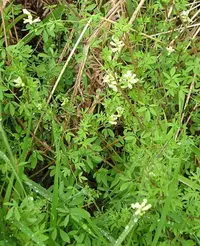
Provide a mesh, low shrub, or fine twiggy branches for the plant to scramble through, as the delicate tendrils grip best on thin structures rather than thick stakes or smooth poles.

Encourage Self-Seeding

Allow some seed pods to mature and drop where plants grow well, then lightly disturb the soil surface in late fall or early spring to help maintain a natural colony without re-sowing every year.

Shade-Compatible Companions

Plant it among low, open-structured woodland perennials or small ferns so the stems can weave through them for support without being shaded out by dense foliage.

Gentle Ground Management

When cutting back neighboring vegetation, trim gradually and avoid stripping the area bare so the fragile scrambling stems are not exposed suddenly to intense light and wind.

Leaf-Litter Mulching

Use a thin layer of shredded leaf mulch to mimic a woodland floor, which stabilizes moisture and temperature while remaining loose enough for seedlings and new shoots to emerge easily when growing climbing corydalis.

Common Pests and Diseases

Powdery mildew

This disease appears as a white, dusty coating on leaves and young stems, often in shaded, humid woodland sites. Symptoms include distorted growth and premature yellowing or drying of foliage.

Solution

Remove the most affected shoots to improve air movement through the tangle of stems, and avoid overhead watering in any cultivated setting. If needed, apply a sulfur or potassium bicarbonate fungicide labeled for ornamental plants, making sure to cover both leaf surfaces and repeat according to label directions.

Downy mildew

This disease causes pale, yellowed or translucent patches on the upper leaf surface, with a greyish to violet felt-like growth on the undersides in cool, damp conditions. Symptoms include rapid leaf drop in dense, shaded plantings.

Solution

Thin surrounding vegetation or competing groundcover to improve airflow and reduce leaf wetness duration. Remove and dispose of heavily affected foliage, and in garden situations use a phosphorus acid or copper-based fungicide at the first signs of infection, following label directions carefully.

Slugs and snails

These pests chew irregular holes in the delicate leaves and can strip young climbing shoots, especially in moist woodland soils with thick leaf litter. Symptoms include shredded foliage and slime trails around the plant base.

Solution

Hand-pick slugs and snails in the evening, reduce deep mulch or debris where they hide, and use iron phosphate slug pellets or beer traps placed around but not directly on the stems. In small garden patches, physical barriers such as copper tape around supports can also reduce damage.

Aphids

These insects cluster on soft shoot tips and the undersides of leaves, feeding on sap and causing curled or twisted foliage. This pest also produces sticky honeydew that can lead to sooty mold growth on nearby surfaces.

Solution

Prune off heavily infested shoot tips and wash the remaining stems with a strong but controlled stream of water to dislodge colonies. For ongoing issues, use insecticidal soap or a ready-to-use horticultural oil, applied in the early morning and repeated as needed according to label instructions.

Interesting Facts

Self-clinging leaf tendrils

This species produces delicate tendrils at the tips of its compound leaves that coil around nearby stems, allowing the plant to scramble over heather, bracken, and low shrubs in light woodland and heathland.

Acidic soil specialist

It is strongly associated with nutrient-poor, acidic substrates and is most often found in heathy woodlands and moorland edges, rather than in richer, base‑loving woodland floras.

Short-lived, long season

Although an annual or short-lived plant, it can have an extended growing and flowering season in mild Atlantic climates, often persisting from spring into late summer on shaded, humid sites.

Botan icon

Did you know?

In parts of its Atlantic European range, this species is considered an indicator of long-established, relatively undisturbed woodland and heath mosaics, so its presence can help botanists assess habitat continuity and ecological quality.

FAQs about climbing corydalis

This species both scrambles and climbs. It uses slender, curling tendrils at the tips of its leaves to hook onto nearby stems, twigs, or supports, forming a loose, tangled mound rather than a rigid vertical vine.

Grow Healthy Plants with Botan Care

Keep your plants happy and healthy with plant identification, disease detection, and easy care guidance.

Botan plant care app — identify plants on mobile

Explore More Plants