Ceriporiopsis jelicii Care

Ceriporiopsis jelicii

About Ceriporiopsis jelicii

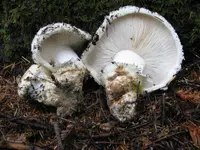
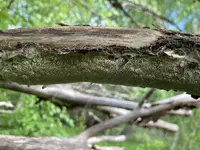
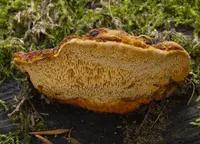
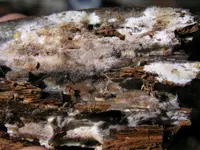
Ceriporiopsis jelicii is a wood-decaying polypore fungus, not a leafy houseplant. It forms thin, crust-like fruiting bodies on dead or decaying wood, often with a pale to cream surface. In nature it is typically found in forested areas on fallen logs or stumps, where it helps break down lignin and other tough wood components.

This species is of interest mainly to mycologists and advanced fungus growers, rather than typical home gardeners. It is considered challenging to cultivate because it depends on specific woody substrates and stable, cool, humid conditions. Anyone attempting to care for Ceriporiopsis jelicii should focus on providing clean, well-prepared wood and consistent moisture without waterlogging.

Main Plant Requirements

Care Difficulty

Hard Care

Light Preference

Shade

Water Requirements

Keep Soil Moist

Temperature Preference

Cool Climate

Hardiness Zone

Unknown

Soil Texture

Organic-rich, Peaty

Soil pH

Acidic (5.5–6.5)

Soil Drainage

Moist but well-drained

Fertilization

Minimal (feed rarely)

Get Personalized Care Plan

Scan your plant to receive care tips personalized for your specific plant

Available on iOS and Android

How to Care for the Ceriporiopsis jelicii

This wood-decaying fungus prefers low, forest-like light rather than direct sun exposure.

  • Provide full shade to deep shade with only dappled or reflected light, similar to light under a dense woodland canopy, avoiding direct midday and afternoon sun entirely.
  • Aim for 0–2 hours of weak, early morning sun at most; stronger exposure can dry substrates and damage delicate fruiting bodies through desiccation.
  • In summer, shield sites from increased light penetration as surrounding vegetation thins; in winter, accept lower light levels, as Ceriporiopsis jelicii is adapted to dim, cool forest conditions.

Moisture management focuses on keeping the woody substrate consistently damp but never waterlogged.

  • Maintain evenly moist conditions in the supporting wood or mulch, allowing the surface to feel slightly damp to the touch without standing water around the colonized area.
  • If conditions are very dry, increase ambient humidity or gently moisten nearby wood when the surface feels dry for several hours, avoiding direct heavy pouring onto fruiting bodies.
  • Watch for signs of excess moisture such as sour odor, sludge-like wood, or persistent puddling, and reduce watering; cracked, crumbly, very light wood indicates underwatering or prolonged drought.

This species favors cool to mild conditions typical of shaded, temperate woodlands.

  • Aim for 50–68°F (10–20°C) as the main activity range, where growth in decaying wood and fruiting are most reliable.
  • Short exposures down to about 32°F (0°C) are usually tolerated, but repeated hard frosts or prolonged freezing can damage exposed fruiting bodies and slow fungal activity.
  • High heat above 77–86°F (25–30°C), especially when combined with dry air, can dry the substrate; increase shade and humidity during hot spells to buffer temperature swings.

This fungus does not have meaningful humidity requirements for cultivation and is rarely grown in controlled environments.

Ceriporiopsis jelicii is a wood-decaying fungus that relies on suitable dead wood rather than conventional soil.

  • Provide well-decayed hardwood logs or large branches instead of mineral soil, as the fungus colonizes lignocellulosic material rather than roots in substrate.
  • Keep the wood slightly moist but never waterlogged to prevent anaerobic conditions that inhibit fungal growth and encourage bacterial rot.
  • Use shaded, cool sites where the wood surface dries slowly yet remains aerated, avoiding compacted ground that traps standing water around the logs.
  • Avoid treating the wood with preservatives, paint, or chemicals, which can be toxic to the developing mycelium.

This species is not practically suited to container growing, as it requires colonizable dead wood in natural or semi-natural conditions.

This wood-decay fungus usually grows on nutrient-rich host wood and does not benefit from routine fertilization.

Pruning is not applicable, as Ceriporiopsis jelicii is a bracket-like wood-decay fungus rather than a garden shrub or houseplant.

Transplanting is generally not practiced because this fungus naturally colonizes dead or decaying wood rather than growing in pots or beds.

  • If research or conservation work requires relocation, move small colonized wood pieces rather than scraping off the fruiting bodies.
  • Transplant only during cool, stable weather to reduce desiccation of the mycelium inside the wood.
  • Avoid disturbing the inner wood; keep bark intact so the fungal network remains protected.
  • Place the colonized wood in a similar shaded, humid site with comparable host wood type.

Propagation of Ceriporiopsis jelicii is typically left to natural spore dispersal and is not a routine horticultural task.

No special winter care is needed, as this wood-inhabiting fungus persists naturally outdoors in suitable climates.

Care Tips

Sterile wood selection

Use freshly cut, disease-free hardwood blocks or logs and remove any visibly decayed or moldy material before inoculation to prevent competing fungi from overrunning the mycelium.

Controlled inoculation zones

Drill evenly spaced holes in a grid pattern and seal inoculated sites with food-grade wax so the fungus colonizes the wood more uniformly and faces less contamination from airborne spores.

Moisture-buffer setup

Place inoculated wood on a raised, slatted surface over damp gravel or sand so excess water can drain while ambient humidity stays stable around the substrate.

Shaded airflow management

Position colonizing wood in deep shade with gentle cross-ventilation, using a shade cloth or perforated plastic cover to protect from direct sun and heavy rain while still allowing air movement.

Observation-based timing

Monitor the color and texture of the mycelium and fruiting surfaces, adjusting hydration and shelter only when growth slows or tissue starts to dry or darken abnormally, which supports more precise Ceriporiopsis jelicii care.

Common Pests and Diseases

wood-decay competition fungi

This disease involves other wood-decay fungi colonizing the same log or stump and outcompeting the existing fruiting bodies. Symptoms include patchy or disappearing Ceriporiopsis jelicii crusts and replacement by different-colored fungal layers or brackets.

Solution

Remove heavily overgrown sections of wood and, if possible, transfer a few healthy, active patches to fresh, similar hardwood to maintain the culture. Provide stable, shaded, moist conditions and avoid moving colonized wood too often, which favors aggressive competitor species over slower-growing Ceriporiopsis jelicii.

moldy overgrowth

This disease appears as fluffy white, gray, or sometimes green surface molds that cover the fine pore surface of the crust. Symptoms include a dusty, cottony layer that blurs the pores and can slow or stop growth.

Solution

Increase gentle airflow around the substrate and reduce direct wetting of the fruiting surface so it stays moist but not waterlogged. Carefully wipe or trim off small moldy areas and adjust humidity to a moderate, stable level to favor denser, crust-forming mycelium over loose molds, which supports more reliable Ceriporiopsis jelicii care instructions.

fungus gnat larvae

These insects lay eggs in very damp, organic substrates, and the larvae tunnel through soft fungal tissue. This pest can cause pitted, thinned, or collapsing areas in the fruiting crust on decaying wood or in culture boxes.

Solution

Allow the surface of the substrate to become slightly less wet while keeping internal moisture, and improve air movement around the wood or container. Use yellow sticky traps to reduce adults and, if infestation is heavy, gently scrape off the most damaged surface layer and replace or partially dry the surrounding organic debris to lower larval survival.

springtail grazing

These insects are tiny, jumping arthropods that feed on fungal tissue and spores on very moist wood and substrate. Symptoms include fine, irregular nibbling along the margin of the crust and a slightly roughened or patchy pore surface.

Solution

Lower surface moisture slightly and provide more air circulation so the substrate is damp but not saturated, which discourages large springtail populations. If needed, move colonized wood onto a clean, slightly drier support surface and avoid excess leaf litter or spoiled organic matter directly touching the active fruiting edge.

Interesting Facts

Narrow host preference

This white-rot crust fungus is recorded mainly on hardwoods, especially beech (Fagus spp.), rather than showing a broad host range across many tree types, which is more typical for some related decay fungi.

Specialized white-rot decay

It performs true white-rot, breaking down both lignin and cellulose in dead wood and leaving a pale, fibrous residue, which makes it an important agent in nutrient recycling in temperate forests.

Scattered European records

Published records show a scattered distribution across parts of Europe, and it is considered uncommon in many areas, with finds often of interest to forest mycologists and conservation-focused recording projects.

FAQs about Ceriporiopsis jelicii

This wood-decaying fungus develops relatively slowly. Fruiting bodies usually appear only after suitable dead hardwood is well colonized, often taking at least one full season, and expansion remains modest compared with many faster-spreading saprophytic fungi.

Grow Healthy Plants with Botan Care

Keep your plants happy and healthy with plant identification, disease detection, and easy care guidance.

Botan plant care app — identify plants on mobile

Explore More Plants