Cerochlamys pachyphylla Care

Cerochlamys pachyphylla

About Cerochlamys pachyphylla

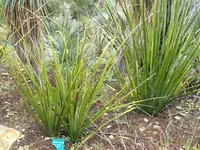
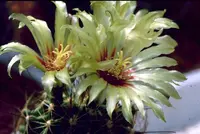
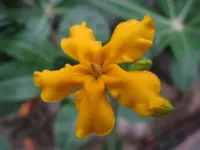
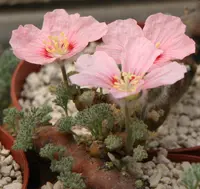
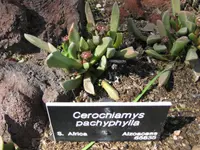
Cerochlamys pachyphylla is a compact, clump-forming succulent from arid regions of South Africa. It grows as low mats of thick, finger-like leaves that store water. In good light it often produces bright, daisy-like flowers that sit just above the foliage, giving strong color contrast against the bluish green leaves. This species prefers strong light, very sharp drainage, and infrequent watering, which reflects its origins on rocky, sun-drenched slopes. Its drought tolerance and slow, tidy growth habit make it appealing for small containers and windowsills, but it can be sensitive to overwatering. Understanding how to care for Cerochlamys pachyphylla mainly means avoiding excess moisture and poor airflow.

Main Plant Requirements

Care Difficulty

Moderate Care

Light Preference

Full Sun

Water Requirements

Low Water

Temperature Preference

Warm Climate

Hardiness Zone

9–11

Soil Texture

Sandy, Loamy, Rocky

Soil pH

Slightly acidic (6.5–7.0), Neutral (7.0)

Soil Drainage

Well-drained

Fertilization

Minimal (feed rarely)

Get Personalized Care Plan

Scan your plant to receive care tips personalized for your specific plant

Available on iOS and Android

How to Care for the Cerochlamys pachyphylla

This compact South African succulent needs bright, mostly direct light to stay dense and flower well.

  • Provide 6–8 hours of sun daily, ideally with gentle morning sun and some protection from harsh midafternoon summer sun in very hot climates.
  • It tolerates light, open shade for part of the day, but prolonged low light causes stretched, weak growth and dull leaf color in Cerochlamys pachyphylla.
  • In summer, introduce stronger sun gradually to avoid leaf scorch; in winter, maximize exposure so short days still provide several hours of bright light.

This drought-adapted succulent prefers infrequent, deep watering and fast-drying soil.

  • Water only when the top 3–5 cm of soil are completely dry; then soak thoroughly and let excess drain away to avoid root rot.
  • Reduce watering sharply in cooler months, sometimes to once every several weeks, especially if growth slows and soil stays cool and dry longer.
  • Watch leaves as indicators: soft, translucent, or splitting leaves suggest overwatering, while wrinkling or severe leaf shriveling points to underwatering in Cerochlamys pachyphylla.

This species thrives in mild, dry conditions and dislikes prolonged cold or very humid heat.

  • Aim for an active growth range of 60–80°F (16–27°C), with cooler nights helping maintain compact growth and healthy color.
  • Protect from frost; it is best kept above 35–40°F (2–4°C), as repeated freezing can damage leaves and kill roots.
  • In hot spells above 90°F (32°C), give good airflow and light shade during peak afternoon to limit heat stress and leaf scorch.

This species is adapted to dry air, so humidity is rarely a concern for Cerochlamys pachyphylla.

This succulent needs a very fast-draining, mineral-based substrate to prevent root rot.

  • Use a gritty, sandy mix such as 50–70% coarse mineral material (pumice, perlite, grit) with 30–50% lean cactus potting mix.
  • Aim for slightly acidic to neutral pH around 6.0–7.0, avoiding strongly alkaline or salty soils.
  • Ensure sharp drainage by using a pot with large holes and a mix that does not hold water more than 1–2 days after watering.
  • Avoid fine, peat-heavy or compacted mixes, which reduce aeration and trap moisture around the roots.

This compact succulent is well suited to container growing.

  • Choose a shallow but wide pot that allows its mat-forming growth to spread rather than focusing on depth.
  • Select unglazed terracotta to increase evaporation, which helps the mix dry quickly between waterings.
  • Place the container where rain or irrigation cannot fill the pot saucer, preventing prolonged saturation at the base.

This slow-growing succulent from poor, rocky soils needs only light feeding in cultivation.

  • Use a low-dose, balanced liquid fertilizer (around 10-10-10) at 1/4 strength during active growth in spring–summer.
  • Apply no more than once every 4–6 weeks to potted Cerochlamys pachyphylla, skipping feeds if growth looks strong.
  • Avoid compost-rich or high-nitrogen products that retain moisture and encourage soft, rot-prone tissue.
  • Stop feeding in fall and winter when growth slows, to prevent weak, elongated stems.

Pruning needs are minimal and focus on cleanliness and compact shape.

  • Best time for light pruning is after main flowering and during active spring–summer growth.
  • Remove dead, shriveled, or diseased leaves with clean, sharp scissors to reduce infection risk.
  • Pinch or trim back overly long shoots to maintain a low, compact cushion and encourage branching.
  • Avoid heavy cutting into old, woody tissue, as regrowth can be slow and uneven in Cerochlamys pachyphylla.

This species grows slowly and prefers being slightly root-bound in a shallow, gritty container.

  • Check for roots circling the pot, emerging from drainage holes, or stalled growth as signs it needs repotting.
  • Plan repotting for late spring, every 3–4 years, when active growth supports recovery.
  • Move into a pot only 1 size larger, using very fast-draining succulent mix to limit root disturbance.
  • Gently loosen the root ball, keep roots as intact as possible, then water lightly and shade for a few days to reduce stress.

Propagation is commonly done from stem or leaf cuttings taken during the growing season.

  • Take short, firm cuttings in late spring–summer, choosing non-flowering shoots of Cerochlamys pachyphylla.
  • Allow cut surfaces to callus for 2–3 days in a dry, shaded place to lower rot risk.
  • Set cuttings upright in a gritty, barely moist succulent mix, with bright light and good air flow.
  • Keep temperatures around 68–77°F and water sparingly until roots form and new growth appears.

This succulent dislikes prolonged frost and benefits from basic winter protection in cooler climates.

  • In mild, dry regions, a cold frame or covered porch often provides enough shelter from freezing rain and snow.
  • Mulch lightly with gravel around the crown outdoors, avoiding organic mulches that trap moisture.
  • Move containers indoors or to a bright, frost-free spot when temperatures threaten to drop below 32°F.
  • Keep soil almost dry in winter, as cold, wet conditions greatly increase root and stem rot.

Care Tips

Use mineral mulch

Top-dress the soil surface with a 0.5–1 cm layer of small gravel or pumice to keep stem bases dry, reduce splash-back on leaves, and stabilize the shallow root zone.

Orient for compact growth

Rotate the pot by 90° every 2–3 weeks so all sides receive similar light, which keeps the mat of foliage even and reduces weak, stretched segments that are prone to rot or breakage.

Control post-bloom seeding

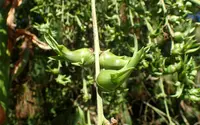
After flowering, remove developing seed capsules before they fully dry if you want the plant to put energy into thickening existing clumps rather than scattering seedlings.

Divide only in warmth

If clumps become crowded, divide and replant only in warm, bright weather, then keep newly separated pieces slightly drier for 7–10 days to allow cut surfaces to callus before normal watering resumes.

Monitor substrate aging

Every 2–3 years, check for fine, compacted particles around the roots and repot into fresher, coarse mix before drainage slows, which is one of the most effective ways of caring for Cerochlamys pachyphylla long term.

Common Pests and Diseases

Mealybugs

This pest feeds on succulent leaves and stems, sucking sap and leaving white, cottony clusters in leaf crevices and along stems. Symptoms include slow growth, distorted new leaves, and sticky honeydew on nearby surfaces.

Solution

Isolate the plant, then dab visible insects with cotton swabs dipped in 70% isopropyl alcohol and gently wipe affected areas. For larger infestations, rinse the plant thoroughly with a strong but controlled stream of water, repeat alcohol spot-treatments weekly, and consider a labeled insecticidal soap, ensuring the plant dries quickly in bright light to avoid prolonged leaf wetness.

Aphids

These insects cluster on tender new growth and flower buds, sucking sap and causing puckered, curled, or stunted leaves. Sticky honeydew may appear, sometimes followed by black sooty mold on nearby surfaces.

Solution

Move the plant to a sink or outdoors and wash stems and leaves with a firm stream of water, focusing on new growth and undersides of leaves. If needed, apply insecticidal soap or a light horticultural oil labeled for succulents, treating in the early morning and allowing the plant to dry in bright, airy conditions as part of general Cerochlamys pachyphylla care.

Spider mites

This pest is favored by hot, dry indoor conditions and forms fine webbing between leaves, causing pale, speckled, or dry-looking foliage. Over time, leaves may lose their green color and drop prematurely.

Solution

Increase air movement and periodically rinse foliage with lukewarm water to remove mites and dust, taking care not to over-wet the soil. For persistent infestations, use insecticidal soap or a low-concentration horticultural oil, repeating every 7–10 days and ensuring the plant is kept in bright light with good airflow so leaves dry quickly.

Fungal leaf spots

This disease causes small, dark, sometimes sunken spots on leaves or stems, often following prolonged surface moisture or overcrowded conditions. Symptoms include slowly enlarging lesions that may cause localized tissue collapse.

Solution

Remove and discard affected leaves or stems, then improve spacing and airflow around the plant and avoid overhead watering so foliage stays dry. If new spots continue to appear, apply a sulfur or copper-based fungicide labeled for succulents at the recommended dilution, and maintain the plant in a bright, dry, well-ventilated location.

Basal stem rot

This disease starts at the base of stems where they contact overly wet, poorly drained soil, leading to soft, discolored, collapsing tissue. Symptoms include sudden wilting, yellowing, and easy detachment of stems at the soil line.

Solution

At the first sign, cut away and discard all soft, brown, or blackened tissue and take firm, healthy cuttings from unaffected segments to re-root in fresh, sharply drained cactus/succulent mix. Adjust watering to allow the soil to dry almost completely between waterings, use a pot with large drainage holes, and avoid letting water stand around the base of the plant.

Interesting Facts

Winter rain specialist

This species is native to the winter-rainfall regions of South Africa, where it grows on rocky slopes and times most of its growth to the cool, moist season while remaining almost dormant through the hot, dry summer.

Glaucous leaf coating

Its thick, club-shaped leaves are covered by a bluish, waxy bloom that reduces water loss and reflects strong sun, a typical adaptation of many South African karoo and succulent flora.

Carpet-forming cushions

Mature plants form low, dense mats that can cover rock crevices, helping stabilize thin soil and creating small microhabitats for tiny invertebrates and other rock-dwelling organisms.

Botan icon

Did you know?

In habitat, this species often grows wedged into cracks of exposed quartzitic or sandstone rock, where the pale stones reflect light and moderate temperature swings, creating a narrow but highly specialized niche that favors its survival over less-adapted succulents.

FAQs about Cerochlamys pachyphylla

Lack of blooms usually relates to insufficient light, overly rich or wet soil, or excessive summer watering. This species flowers best after a relatively dry rest, strong light, and cool nights. Avoid frequent repotting, which can delay flowering.

Grow Healthy Plants with Botan Care

Keep your plants happy and healthy with plant identification, disease detection, and easy care guidance.

Botan plant care app — identify plants on mobile

Explore More Plants