Root-zone stability
Use a slightly heavier, low-organic mineral mix and a wider, shallow pot so the plant’s woody caudex stays anchored and does not rock or bruise when moved.

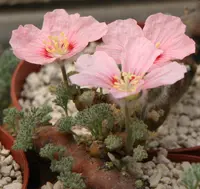
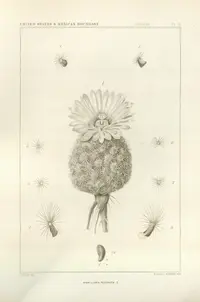
Sarcocaulon multifidum is a small succulent shrub from arid regions of southern Africa, adapted to intense sun, wind, and very low rainfall. It forms a woody, often spiny framework with swollen, water-storing stems and finely divided leaves that appear mainly in its growing season. The plant may produce delicate, papery flowers that contrast with its rugged stems, giving it an unusual, sculptural look in collections. Due to its slow growth and strict need for excellent drainage and careful watering, it suits patient growers comfortable with dry-climate succulents. Anyone learning how to care for Sarcocaulon multifidum should provide strong light, very fast-draining mineral soil, and long dry periods between waterings.

Care Difficulty
Hard Care

Light Preference
Full Sun

Water Requirements
Low Water

Temperature Preference
Tropical / Frost Sensitive

Hardiness Zone
Unknown

Soil Texture
Sandy, Rocky, Loamy

Soil pH
Slightly acidic (6.5–7.0), Neutral (7.0)

Soil Drainage
Well-drained

Fertilization
Minimal (feed rarely)
Scan your plant to receive care tips personalized for your specific plant
Available on iOS and Android
This desert succulent needs strong light but benefits from some protection during the hottest hours.
This species is highly drought-tolerant and must dry well between waterings to avoid root rot.
This plant prefers warm, dry conditions and is sensitive to prolonged cold and frost.
This species prefers very dry air and rarely suffers from low household humidity.
Sarcocaulon multifidum needs a very fast-draining, mineral-based substrate to prevent root rot.
This species is well suited to container culture when the pot limits excess moisture around the roots.
This drought-adapted succulent shrub needs only modest feeding under cultivation.
Pruning is mainly used to keep this small shrub healthy and to refine its branching structure.
This succulent prefers a stable, tight pot and resents frequent disturbance of its roots.
Propagation is possible but slow and somewhat challenging for beginners.
This species is not fully hardy in cold climates and needs thoughtful handling in winter.

Plant Health Check
Not sure what's wrong with your plant? Check your plant's health inside the app.
In its native arid habitats of Namibia and southwest Angola, this species can absorb moisture directly from fog and dew through its waxy stems, helping it survive long periods without rainfall.
The thick, resinous coating on its spiny stems is highly flammable when dry, and local people have reportedly used dried pieces as kindling or small torches.
Its small pale flowers open mainly in the evening and release a stronger scent at night, an adaptation linked to attracting nocturnal pollinators such as moths in its desert environment.
This species grows slowly, typically adding only a few centimeters per year. Growth is fastest in its active season and often pauses in heat or drought. Patience is essential when trying to grow Sarcocaulon multifidum successfully.
Keep your plants happy and healthy with plant identification, disease detection, and easy care guidance.