Heartleaf Lanternvine Care (Ceropegia linearis)

Heartleaf Lanternvine

About Heartleaf Lanternvine

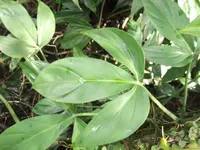
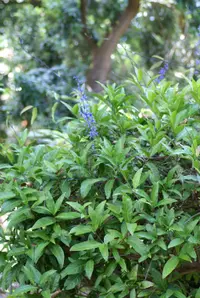
Heartleaf lanternvine (Ceropegia linearis) is a slender, twining succulent vine known for its delicate heart-shaped leaves and small tubular flowers. It often trails or climbs, making it suitable for hanging baskets or trellises indoors.

This species is native to southern Africa, where it grows in rocky, well-drained habitats with bright light and good air movement. Its succulent stems store water, so it tolerates short dry periods and dislikes constantly wet soil.

Because of its drought tolerance and moderate growth rate, it is considered manageable for patient beginners. Understanding how to care for Heartleaf Lanternvine mainly involves providing bright light, porous soil, and careful watering to avoid root problems.

Main Plant Requirements

Care Difficulty

Easy Care

Light Preference

Bright Indirect Light

Water Requirements

Low Water

Temperature Preference

Tropical / Frost Sensitive

Hardiness Zone

11–12

Soil Texture

Sandy, Loamy, Organic-rich

Soil pH

Acidic (5.5–6.5), Slightly acidic (6.5–7.0)

Soil Drainage

Well-drained

Fertilization

Light (every 4–6 weeks)

Get Personalized Care Plan

Scan your plant to receive care tips personalized for your specific plant

Available on iOS and Android

How to Care for the Heartleaf Lanternvine

This vining succulent prefers bright, indirect light that mimics open woodland or lightly shaded rocky habitats.

  • Provide 4–6 hours of bright, filtered light daily, such as near an east or bright north-facing window; brief early morning sun is acceptable, but avoid strong midday rays.
  • Plant Heartleaf Lanternvine where it receives dappled shade or indirect light outdoors; it tolerates light shade but growth becomes sparse in deep shade.
  • Watch for pale, stretched stems as a sign of insufficient light, and for yellowing or scorched patches as an indication of excessive direct sun, especially in summer.

This species stores water in its roots and stems, so it prefers thorough but infrequent watering.

  • Allow the top 3–5 cm of soil to dry fully before watering again; use your finger to feel for dryness rather than following a fixed schedule.
  • Water deeply until excess drains away, then let the soil dry; a sharply draining, gritty mix reduces the risk of root rot in Ceropegia linearis.
  • In spring and summer, you may water more often as drying speeds up; in fall and winter, extend the dry period, and watch for shriveling as a sign to water, and mushy stems as a sign of overwatering.

This plant prefers warm, stable conditions with protection from frost and extreme heat.

  • Aim for 65–80°F (18–27°C) during active growth, as this range supports steady photosynthesis and root activity.
  • Protect it from temperatures below 50°F (10°C); brief drops to 40–45°F (4–7°C) may be tolerated but can slow growth and stress the plant.
  • In hot spells above 90°F (32°C), provide light shade and good airflow to limit heat stress, and avoid placing the plant near cold drafts or sudden temperature swings, especially in winter.

This species handles typical indoor humidity well but benefits from mildly humid air.

  • Aim for 35–50% humidity; short periods down to 30% are usually tolerated without damage.
  • Ceropegia linearis often copes with dry central heating, but very dry air can cause limp, shriveling leaves and slower growth.
  • If air is under 30%, group plants together or place the Heartleaf Lanternvine near a shallow tray of water and pebbles, without standing the pot in water.

This species prefers a very fast-draining, airy, mineral-rich mix similar to cactus or succulent media.

  • Use roughly 50–60% inorganic materials such as perlite, pumice, or coarse sand combined with 40–50% lean potting mix for structure and light nutrition.
  • Ensure a gritty texture that does not clump when moistened; the mix should drain fully within a few seconds of watering and dry quickly.
  • Keep pH slightly acidic to neutral, around 6.0–7.0, which suits Ceropegia linearis and helps root function and nutrient uptake.
  • Avoid dense, peat-heavy or water-retentive mixes, as oxygen-poor conditions promote root rot and collapse of the fine storage roots.

This species is well suited to container growing due to its compact root system and trailing habit.

  • Choose a shallow but wide pot so the tuberous roots can spread horizontally without trapping excess wet mix below them.
  • Select unglazed terracotta if the environment is humid, as it speeds evaporation and helps the mix dry between waterings.
  • Use a pot with multiple drainage holes so excess water leaves quickly, preventing water pockets that can rot the slender roots.

Ceropegia linearis is a light feeder that benefits from modest nutrition during active growth.

  • Use a balanced liquid fertilizer (around 10-10-10 or 20-20-20) diluted to 25–50% strength for caring for Heartleaf Lanternvine.
  • Feed every 4–6 weeks in spring and summer when vines are actively growing.
  • Avoid fertilizing in late fall and winter, or apply at 10–25% strength only if growth continues indoors.
  • Choose products formulated for succulents or cacti to reduce salt buildup and prevent root burn.

Pruning Ceropegia linearis focuses on tidying long vines and maintaining a compact, manageable plant.

  • Carry out light pruning in late winter or early spring before strong new growth begins.
  • Remove dead, damaged, or weak stems first, then shorten excessively long or tangled vines.
  • Use clean, sharp scissors or small pruning shears to make cuts just above a node.
  • Thoughtful pruning encourages fuller growth and can improve flowering by directing energy to healthy stems.

Ceropegia linearis prefers slightly tight pots and only needs infrequent repotting to stay healthy.

  • Plan to repot every 2–3 years, ideally in spring, when growth resumes and recovery is faster.
  • Check for roots circling the pot, pushing through drainage holes, or slow growth despite good care as signs it needs repotting.
  • Move into a container only 2–3 cm wider, using a very free-draining cactus or succulent mix.
  • Handle the tuberous roots gently, keep them at the same depth, water lightly after repotting, and keep in bright shade for 5–7 days to reduce stress.

Ceropegia linearis is commonly propagated from stem cuttings taken during the warm growing season.

  • Take 5–10 cm cuttings in late spring or summer, each with several nodes.
  • Allow cut ends to dry for 1–2 days, then place nodes on or slightly in a gritty, well-drained mix.
  • Maintain bright, indirect light, high airflow, and lightly moist (not wet) soil until roots form.
  • Rooting can also occur by layering: pin vine sections onto soil in the pot so nodes contact the surface.

Ceropegia linearis is frost-sensitive and needs sheltered conditions in regions with cold winters.

  • Keep plants above 50°F; bring outdoor containers indoors before night temperatures drop below this level.
  • Place indoors in bright, indirect light and reduce watering so the soil dries well between waterings.
  • Avoid cold drafts, wet soil, and sudden temperature changes, which can damage roots and stems.

Care Tips

Support trailing stems

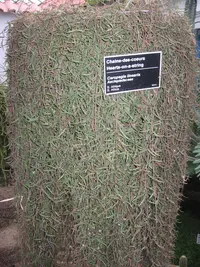
Use a small trellis, hoop, or horizontal wires and gently wrap new vines around them so the stems do not kink and the plant receives more even light along its length.

Optimize pot depth

Choose a wide, shallow pot rather than a deep one to match the plant’s shallow, tuberous root system and reduce the risk of water sitting around the roots.

Propagate during repotting

When repotting, gently separate or trim firm, healthy tubers and root them in a separate pot with slightly moist, gritty mix to quickly create backup plants and maintain a compact mother plant.

Protect fragile joints

Handle vines only by the thicker sections and avoid pulling from the tips, as the nodes are brittle and can snap easily, so untangle stems slowly when rearranging or dusting.

Seasonal growth check

At the start of each warm season, inspect all vines for weak, leafless segments and remove those back to a node with healthy leaves to direct the plant’s limited energy into vigorous new growth when growing Heartleaf Lanternvine.

Common Pests and Diseases

Mealybugs

This pest appears as small white cottony clusters on stems, leaf nodes, and along the thin vines. Symptoms include sticky honeydew, yellowing, and slowed growth.

Solution

Isolate the plant, then dab visible insects with cotton swabs dipped in 70% isopropyl alcohol and gently wipe along the vines. Repeat weekly until no new insects appear and, for heavier infestations, use a light ready-to-use insecticidal soap, keeping the delicate leaves and soil from staying wet for long periods.

Spider mites

These insects thrive in warm, dry indoor air and cause fine webbing, stippled leaves, and general loss of vigor. Symptoms include tiny pale speckles on leaves and eventual leaf drop if not treated.

Solution

Rinse the plant under a gentle lukewarm shower, focusing on the undersides of leaves and along the vines, then let it dry with good airflow. Increase humidity slightly, keep the plant out of hot drafts, and use repeated applications of insecticidal soap or a horticultural oil labeled for mites, applied every 5–7 days until new growth is clean.

Soft scale

This pest shows up as small, smooth brown or tan bumps firmly attached to stems and leaf nodes, often with sticky honeydew on nearby surfaces. Symptoms include reduced vigor, thin new growth, and occasional sooty mold growing on the honeydew.

Solution

Manually remove scales from the slender vines using a cotton swab or soft cloth dipped in 70% isopropyl alcohol, working carefully to avoid snapping the stems. After cleaning, monitor for several weeks and, if new crawlers appear, use a systemic insecticide labeled for houseplants or repeat targeted horticultural oil sprays, keeping the plant in bright light to support recovery.

Botrytis blight

This disease develops in cool, humid conditions and poor air circulation, causing soft, water-soaked spots on leaves or stems that turn brown and may show gray fuzzy mold. Symptoms include collapsing segments of vine and rapid decline in crowded or poorly ventilated areas.

Solution

Remove and discard all affected leaves and stem sections, cutting back to firm, healthy tissue, and avoid wetting the foliage when watering. Improve airflow, reduce humidity around the plant, space it away from other plants, and allow the soil surface to dry between waterings to prevent recurrence; fungicides are rarely needed if conditions are corrected.

Stem and tuber rot

This disease affects the succulent stems and underground tubers when soil stays wet, leading to blackened, mushy tissue and sudden vine collapse. Symptoms include a sour smell from the potting mix and easily detached, slimy roots or stems at the soil line.

Solution

Unpot the plant, trim away all soft, dark tissue, and keep only firm, pale, healthy tubers and stems before replanting in a fresh, fast-draining cactus or succulent mix. After repotting, water sparingly, ensure the pot has large drainage holes, and provide bright light and warm temperatures to encourage new healthy growth while avoiding prolonged soil moisture.

Interesting Facts

Slender tuberous climber

This species forms thin, twining stems from a small underground tuber that stores water and nutrients, allowing it to survive long dry spells in its native southern African habitats.

Narrow lantern flowers

Its tubular flowers are long, narrow, and slightly inflated near the tip, forming a small cage-like structure that functions as an insect trap for pollination before releasing the visitor.

Specialist fly pollination

The flowers emit subtle scents and visual cues that attract small flies, which become temporarily held inside by downward-pointing hairs until the plant’s pollen is transferred.

FAQs about Heartleaf Lanternvine

Lack of blooms usually comes from insufficient light, too little seasonal temperature change, or excess nitrogen fertilizer. A short, slightly cooler, drier rest period often helps trigger flowering in this species.

Grow Healthy Plants with Botan Care

Keep your plants happy and healthy with plant identification, disease detection, and easy care guidance.


Botan plant care app — identify plants on mobile

Explore More Plants