Pies from Heaven Care (Kalanchoe rhombopilosa)

Pies from Heaven

About Pies from Heaven

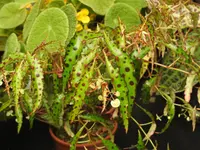
Pies from Heaven, Kalanchoe rhombopilosa, is a compact succulent shrub valued for its sculptural foliage rather than its flowers. It grows slowly, forming short, branching stems with thick, flat, gray-green leaves.

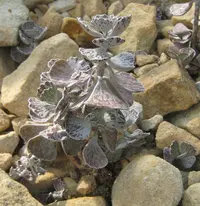
The leaves often show mottled brown markings and a powdery surface, giving the plant a textured, almost stone-like look. This makes it suitable for small containers and windowsill displays.

Kalanchoe rhombopilosa comes from dry regions of Madagascar, so it is adapted to bright light, low humidity, and infrequent rainfall. These natural adaptations make it relatively straightforward to care for Pies from Heaven if overwatering is avoided.

It generally prefers strong indirect light, quick-draining gritty soil, and careful watering that allows the root zone to dry between waterings.

Main Plant Requirements

Care Difficulty

Easy Care

Light Preference

Bright Indirect Light

Water Requirements

Low Water

Temperature Preference

Tropical / Frost Sensitive

Hardiness Zone

10–11

Soil Texture

Sandy, Loamy, Rocky

Soil pH

Acidic (5.5–6.5), Slightly acidic (6.5–7.0)

Soil Drainage

Well-drained

Fertilization

Minimal (feed rarely)

Get Personalized Care Plan

Scan your plant to receive care tips personalized for your specific plant

Available on iOS and Android

How to Care for the Pies from Heaven

Kalanchoe rhombopilosa prefers bright, indirect light with some gentle direct sun each day.

  • Provide 4–6 hours of bright, indirect light daily, such as an east-facing spot with morning sun and light shade in the afternoon.
  • Outdoors, give filtered sun or light shade; strong midday summer sun can scorch the silver leaves of Pies from Heaven, causing brown, dry patches.
  • In low light it stretches and loses compact form; move gradually to a brighter position over 7–10 days to avoid sunburn.

This succulent needs infrequent, careful watering that allows the soil to dry between soakings.

  • Water only when the top 2–4 cm of soil are completely dry, then water thoroughly so excess drains away from the root zone.
  • In spring and summer, expect more frequent watering as growth is active; in fall and winter, reduce frequency sharply to prevent root rot.
  • Signs of overwatering include soft, yellowing or translucent leaves and a sour soil smell; wrinkling, thin leaves indicate underwatering in Kalanchoe rhombopilosa.

This species prefers warm, dry conditions and does poorly in cold or damp environments.

  • Aim for 65–80°F (18–27°C) for active growth; short periods up to 85°F (29°C) are tolerated if airflow is good and soil is not waterlogged.
  • Protect from temperatures below 50°F (10°C); growth slows, and tissue damage occurs if exposed near 40°F (4°C), especially in wet soil.
  • The plant is not frost tolerant; avoid freezing nights and hot reflected-heat sites, as sudden swings between 45°F (7°C) and 90°F (32°C) stress the roots.

This succulent prefers dry indoor air and rarely needs special humidity management.

  • Aim for 30–50% humidity, similar to most heated or air-conditioned homes.
  • Dry leaf tips, soft stems, or pale new growth usually indicate overwatering or rot issues rather than low humidity stress.
  • If air drops below 20% for long periods, group plants together or place the pot on a pebble tray with water below the pot base.

This species needs a very fast-draining, airy mix that keeps roots dry between waterings.

  • Use a gritty mix such as 40% cactus potting mix, 40% pumice or perlite, and 20% coarse sand for Kalanchoe rhombopilosa.
  • Keep texture loose and crumbly so water runs through in seconds and roots receive plenty of oxygen.
  • Aim for slightly acidic to neutral pH around 6.0–7.0, avoiding heavy additives that compact over time.
  • Avoid peat-heavy, clayey, or water-retentive mixes, which promote root rot and fungal problems in this succulent.

This compact succulent is very suitable for container growing.

  • Choose a shallow but wide pot that matches its spreading, fibrous root system and limits excess wet substrate depth.
  • Use unglazed terracotta if extra evaporation is needed in cooler or dimmer locations to prevent the mix staying wet too long.
  • Set the pot in a spot where it cannot be knocked easily, since the top growth can become slightly top-heavy on a light substrate when growing Pies from Heaven.

This slow-growing succulent needs only light feeding to maintain healthy foliage and compact growth.

  • Use a balanced liquid fertilizer (around 10-10-10 or 20-20-20) diluted to 25–50% strength for Pies from Heaven.
  • Feed once every 4–6 weeks during spring and summer when active growth is visible.
  • Avoid organic compost-heavy mixes that hold excess moisture around the roots.
  • Stop or greatly reduce feeding in fall and winter, when growth slows and the plant is semi-dormant.

Pruning Kalanchoe rhombopilosa is mainly about tidying the plant and maintaining a compact shape.

  • Best time is late winter to early spring, just before or as new growth starts.
  • Use clean, sharp scissors or small pruning shears to remove dead, damaged, or shriveled leaves.
  • Lightly shorten leggy stems to encourage branching and a denser, more attractive form.
  • Dispose of diseased material and avoid cutting into thick, healthy stems without clear reason.

This succulent prefers slightly tight pots and only needs infrequent repotting.

  • Repot every 2–3 years, or when roots circle the pot or growth slows despite good light and care.
  • Choose spring as the main time for repotting, so Kalanchoe rhombopilosa can recover during the growing season.
  • Move into a pot only 2–3 cm wider, using a fast-draining cactus or succulent mix.
  • Allow roots to dry for a day after removing from the old pot, then repot gently and wait 3–5 days before watering.

Kalanchoe rhombopilosa is commonly propagated from stem or leaf cuttings rather than seed.

  • Take 5–8 cm stem tips or healthy leaves in late spring or early summer.
  • Let cuttings callus in dry air for 1–3 days before placing on or in a gritty succulent mix.
  • Keep in bright, indirect light with very light, infrequent misting until roots form.
  • Once rooted and new growth appears, pot individually and gradually increase light and watering.

This succulent is frost-sensitive and needs protection in regions with cold winters.

  • Keep temperatures above 50°F; prolonged exposure near freezing can damage foliage and roots.
  • Grow in containers in cold climates so plants can be moved indoors before first frost.
  • Provide a bright, cool indoor spot with reduced watering, letting the soil dry well between waterings.
  • Avoid wet, cold soil by using a sharply draining mix and pots with large drainage holes.

Care Tips

Rotate For Symmetry

Rotate the pot 90° every 2–3 weeks so the rosette and leaf pads develop evenly and do not lean permanently toward the light source.

Protect Leaf Coating

Handle leaves only by the edges and keep them away from overhead water or misting to preserve the natural waxy, powdery coating that reduces moisture loss and sun stress.

Controlled Pot Sizing

Use only a slightly larger pot (2–3 cm wider) at repotting to keep the root zone drier and prevent rank, etiolated growth that is more prone to rot.

Winter Rest Adjustment

From late fall through winter, slightly reduce watering and stop repotting or dividing to allow a natural semi-rest period, which supports compact growth and reliable spring recovery.

Prevent Soil Splash

Top-dress the soil surface with a thin layer of inert grit or small stones to keep fine leaves clean, reduce fungal spotting from soil splash, and improve airflow around the crown when growing Pies from Heaven.

Common Pests and Diseases

Mealybugs

This pest hides in leaf joints and along stems, sucking sap and causing dull, stunted growth and sticky honeydew on the foliage.

Solution

Isolate the plant, then dab visible insects with cotton swabs dipped in 70% isopropyl alcohol and gently wipe leaf undersides and crevices. Repeat weekly until no new insects appear, and improve light and airflow; for persistent infestations, use a ready-to-use insecticidal soap labeled for succulents, applied according to Kalanchoe rhombopilosa care instructions.

Soft scale

These insects appear as small, brown or tan bumps on stems and leaf undersides, leading to weak growth and honeydew that can attract sooty mold.

Solution

Scrape or wipe off scale by hand using a soft cloth or cotton swab dipped in 70% isopropyl alcohol, focusing on stems and leaf bases. After physical removal, apply horticultural oil or insecticidal soap thoroughly to stems and both leaf surfaces, repeating every 7–10 days until no new scale is seen.

Aphids

These insects cluster on new growth and flower stalks, distorting young leaves and causing sticky residue on nearby surfaces.

Solution

Rinse the plant under a gentle stream of lukewarm water to dislodge colonies from tender tips and flower stems. After washing, treat remaining insects with insecticidal soap or neem oil spray, ensuring coverage of new growth and repeating weekly until growth appears clean and normal.

Powdery mildew

This disease shows as white or gray powdery patches on the leaf surface, especially when humidity is high around cool, slow-drying foliage.

Solution

Remove heavily affected leaves and increase airflow by spacing plants apart and avoiding overhead watering. If needed, apply a sulfur-based or potassium bicarbonate fungicide labeled for ornamentals, keeping leaves dry between treatments and providing bright, indirect light to help foliage dry faster.

Leaf spot

Symptoms include small, dark, sunken spots on the thick leaves, sometimes with a yellow halo, often triggered by prolonged surface moisture in dense rosettes.

Solution

Trim and discard spotted leaves, then water at the soil level to keep the foliage dry and avoid crowding plants so rosettes can dry quickly. In recurring cases, apply a copper-based fungicide according to label directions and monitor for any new lesions, removing affected tissue promptly.

Interesting Facts

Madagascan limestone specialist

This species is native to dry, rocky limestone outcrops in southwest Madagascar, where it grows in shallow, mineral-poor soils and strong sun exposure.

Paperlike sculpted leaves

The leaves are unusually thin, stiff, and almost paperlike, with irregularly scalloped margins and a textured surface that helps reduce water loss in arid conditions.

Cryptic silver mottling

Its silvery-gray surface with darker brown patches is thought to act as camouflage against the surrounding rock, making the plant less conspicuous to herbivores in its natural habitat.

FAQs about Pies from Heaven

Brown patches usually come from underwatering, intense direct sun, or low humidity near heating vents. Check the potting mix: if it is very dry, water thoroughly. Move the plant from harsh midday sun and remove badly damaged leaves.

Grow Healthy Plants with Botan Care

Keep your plants happy and healthy with plant identification, disease detection, and easy care guidance.

Botan plant care app — identify plants on mobile

Explore More Plants