Root containment plan
In warm climates plant it in a large, heavy container or install a root barrier in the ground to prevent unwanted spreading and make long‑term management easier when growing day jessamine near property lines or paths.

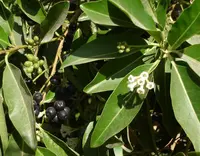
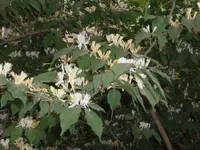
Day jessamine (Cestrum diurnum) is an evergreen shrub known for its glossy leaves and clusters of small white tubular flowers. It often grows upright with a somewhat loose, bushy form and can become quite tall in warm climates. Native to the Caribbean and parts of tropical America, it is now grown in many subtropical and frost-free regions as an ornamental. The flowers are strongly fragrant during the day, which is its main attraction but can be intense for sensitive people. It grows relatively fast and can spread, so it suits gardeners who can prune regularly and monitor seedling volunteers. Those who want to learn how to care for day jessamine should note its preference for bright light, moderate moisture, and well-drained soil.

Care Difficulty
Moderate Care

Light Preference
Full Sun

Water Requirements
Moderate Water

Temperature Preference
Tropical / Frost Sensitive

Hardiness Zone
9–11

Soil Texture
Sandy, Loamy, Organic-rich

Soil pH
Acidic (5.5–6.5), Slightly acidic (6.5–7.0)

Soil Drainage
Moist but well-drained

Fertilization
Light (every 4–6 weeks)
Scan your plant to receive care tips personalized for your specific plant
Available on iOS and Android
Cestrum diurnum is a sun-loving shrub that flowers best with strong, consistent light.
This shrub prefers steadily moist, well-drained soil rather than extremes of drought or saturation.
This species grows best in warm, frost-free conditions typical of subtropical and tropical climates.
This species prefers moderate humidity but usually adapts to typical indoor and outdoor conditions.
This shrub grows best in loose, well-draining, moderately fertile soil.
This species adapts well to container growing when given stable, well-drained conditions.
This shrub responds well to moderate feeding during its active growing season.
Thoughtful pruning keeps Cestrum diurnum compact, flowering well, and within bounds.
This shrub is more often planted in the ground, but container-grown plants or young shrubs benefit from careful transplanting.
Cestrum diurnum is commonly propagated from semi-ripe stem cuttings, with seeds also an option.
This species is frost-sensitive and needs protection in regions colder than USDA zone 9.

Plant Health Check
Not sure what's wrong with your plant? Check your plant's health inside the app.
This species releases a strong, sweet fragrance mainly during daylight hours, which is unusual in the genus where many relatives are night-scented.
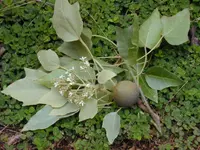
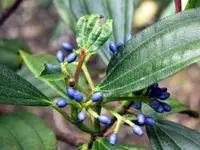
Its small, white to purplish berries are eaten by birds, which then disperse the seeds in their droppings, helping the shrub spread in warm regions.
All parts of the plant, especially berries and leaves, contain toxic alkaloids that can harm humans and animals if ingested, yet it is still grown as an ornamental hedge or scent plant in subtropical landscapes.

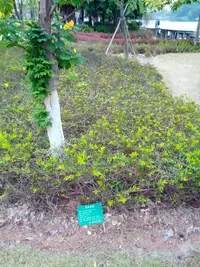
In parts of Florida and some tropical islands, this shrub has escaped cultivation and is considered an invasive species, forming dense thickets that shade out native understory plants and alter local plant communities.
Poor flowering often comes from insufficient light, heavy pruning at the wrong time, or nutrient imbalance with too much nitrogen. Allow mature wood to develop, avoid cutting new shoots heavily, and use a balanced, phosphorus-supporting fertilizer.
Keep your plants happy and healthy with plant identification, disease detection, and easy care guidance.