needle lichen Care (Chaenotheca brunneola)

Also known as: Ball-headed whiskers, Brown-head Stubble Lichen
needle lichen

About needle lichen

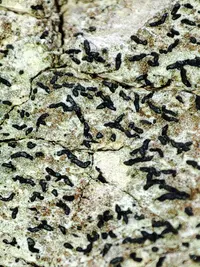
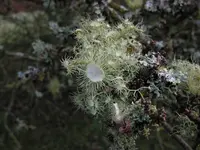
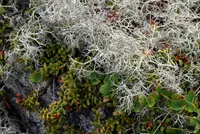
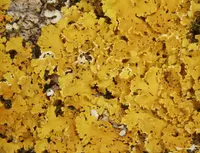
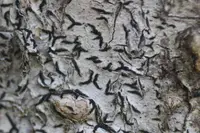
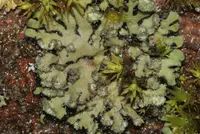
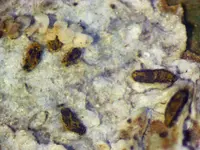
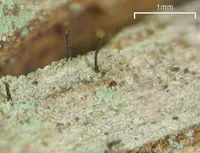
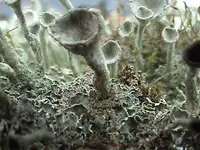
Needle lichen (Chaenotheca brunneola) is a tiny, slow-growing lichen rather than a true plant. It forms fine, pin-like fruiting stalks on bark or old wood, giving a sparse, dusted look.

This species is typically found in cool, humid forests of the Northern Hemisphere, especially on mature conifer trunks and shaded tree bases. It is sensitive to air pollution and habitat disturbance, which makes it difficult to keep in typical home conditions.

Those looking to learn how to care for needle lichen should know it prefers stable moisture, clean air, and low to moderate light, similar to a shaded forest microclimate.

Main Plant Requirements

Care Difficulty

Hard Care

Light Preference

Shade

Water Requirements

Low Water

Temperature Preference

Cool Climate

Hardiness Zone

Unknown

Soil Texture

Rocky, Organic-rich

Soil pH

Strongly acidic (4.5–5.5)

Soil Drainage

Well-drained

Fertilization

Minimal (feed rarely)

Get Personalized Care Plan

Scan your plant to receive care tips personalized for your specific plant

Available on iOS and Android

How to Care for the needle lichen

This crust-like lichen prefers low to moderate light similar to shaded forest habitats.

  • Provide bright indirect light or dappled shade, with 1–3 hours of gentle morning sun and full protection from harsh midday and afternoon sun.
  • Allow it to grow on bark, old wood, or rock in locations receiving 70–100% shade under trees, cliffs, or structures, since needle lichen is highly shade tolerant.
  • Watch color and texture: bleaching, cracking, or overly dry thalli indicate too much sun, while very dark, elongated, or sparse growth suggests light is too low.

Moisture for this lichen comes mainly from ambient humidity, dew, and rainfall rather than deep soil wetting.

  • Allow the substrate surface to dry between wettings; in cultivation, mist lightly only when surfaces feel fully dry and brittle, usually every few days in warm, dry weather.
  • Ensure excellent drainage on bark, wood, or rock so water does not pool, since Chaenotheca brunneola is prone to rot and algal overgrowth on constantly wet surfaces.
  • Look for signs of imbalance: pale, soft, or slimy patches indicate overwatering, while persistent brittleness and failure to rehydrate after misting indicate chronic underwatering or very low humidity.

This species is adapted to cool to mild outdoor conditions with broad seasonal variation.

  • Aim for an active growth range around 45–70°F (7–21°C), typical of shaded forest or coastal climates with moderate humidity and limited direct heat.
  • Tolerate winter lows near 10–20°F (-12– -6°C) if exposure is gradual; sudden hard freezes after mild weather can damage tissues, especially on exposed branches or rocks.
  • Protect from prolonged heat above 85°F (29°C), which can desiccate thalli; increase shade and ambient humidity during hot spells to limit thermal and drought stress.

This lichen prefers consistently moist, cool air rather than dry indoor conditions.

  • Aim for 60–90% humidity, similar to shaded forest or rock-face microclimates where needle lichen naturally grows.
  • In very dry air, watch for dull, brittle thalli and slow recovery after misting as signs of humidity stress.
  • Increase humidity with frequent light misting, placement near a humid terrarium or moss dish, and by avoiding direct airflow from heaters or fans.

Chaenotheca brunneola usually grows on bark or wood, so any artificial substrate should mimic that texture rather than typical potting soil.

  • Use a loose, fibrous mix such as fine orchid bark, small pieces of decayed wood, and a small amount of sifted leaf litter to simulate natural habitat surfaces.
  • Ensure extremely sharp drainage so water flows through in seconds and the substrate only stays slightly damp, never waterlogged.
  • Keep pH slightly acidic to neutral, roughly 5.0–7.0, by avoiding lime and using bark-based materials instead of alkaline mineral soils.
  • Avoid compact, peaty, or clay-based mixes that retain water and restrict air gaps, since lichen needs exposed surfaces and airflow rather than buried conditions.

This species is only marginally suitable for container growing and does best when mounted on bark or wood pieces placed in shallow trays.

  • Use a shallow, wide tray to hold a mounted substrate so the lichen remains on top of bark or wood, not buried in any mix.
  • Choose a heavy, stable container so light branches or bark pieces do not tip when misted or slightly moved.
  • Provide several small drainage openings and keep only a thin film of water, if any, at the base so evaporation raises humidity without soaking the mount.

Chaenotheca brunneola, a crustose lichen on bark or wood, does not benefit from conventional fertilizer applications.

Pruning is generally not appropriate for Chaenotheca brunneola, as it is a delicate lichen growing on host trees or dead wood.

Transplanting this lichen is rarely recommended, as Chaenotheca brunneola is highly adapted to its original substrate and microclimate.

  • Avoid disturbance unless the host branch or bark must be removed for conservation or research purposes.
  • If relocation is essential, transfer the entire bark or wood piece rather than scraping the lichen surface.
  • Carry and mount the substrate so its orientation to light and moisture matches the original position.
  • Limit handling time and keep the substrate shaded and lightly humid to reduce desiccation stress.

Chaenotheca brunneola is not typically propagated in home or ornamental settings due to its specialized ecological requirements.

Outdoor colonies of needle lichen are naturally cold hardy and require no specific winter care from the grower.

Care Tips

Choose stable substrate

Mount the lichen on long-lived, untreated hardwood or old bark that will not rot quickly, so the slow colony growth does not get disturbed by crumbling or decomposing material.

Protect from disturbance

Place the host twig, bark, or old timber where it will not be brushed, moved, or cleaned routinely, since even light mechanical disturbance can dislodge the tiny fruiting stalks and set back colony development.

Avoid nutrient enrichment

Keep the lichen away from fertilizer drift, compost piles, and rich soil splash, because extra nutrients favor algae, mosses, and fungi that easily overgrow and shade this species.

Control competing growth

Periodically check the substrate and very gently trim or peel away invading moss or fast lichens with fine tweezers, working around but not through the Chaenotheca patches to maintain light and air access.

Monitor air quality

Site colonies in areas with good air movement and minimal exhaust fumes, smoke, or indoor volatile chemicals, since maintaining clean air is central to long-term success when growing needle lichen.

Common Pests and Diseases

Air pollution damage

Symptoms include bleaching, browning, or complete loss of the fine fruiting stalks, especially on surfaces exposed to traffic or smoke. This condition reflects the high sensitivity of this lichen to sulfur dioxide, nitrogen oxides, and other airborne pollutants.

Solution

Reduce or avoid exposure to polluted air by locating collected substrates away from traffic, chimneys, or other emission sources, and ensure good ventilation without direct exhaust flow. In outdoor or semi-natural displays there is no direct cure, so the main approach is to remove heavily damaged portions and maintain the lichen only in cleaner-air environments to prevent further decline.

Desiccation stress

Symptoms include crisp, brittle stalks that fail to rehydrate and a dull, faded color on the lichen thallus. This stress occurs when the substrate remains dry for long periods with low ambient humidity and strong airflow.

Solution

Maintain higher ambient humidity around the substrate (around 60–80%) and allow gentle, periodic moistening through misting or natural condensation without soaking the lichen. Avoid placing it under strong fans, heating vents, or in full sun, and allow slow, natural drying between moist periods to support stable Chaenotheca brunneola care.

Fungal overgrowth

Symptoms include a fuzzy, cottony, or slimy film forming over the lichen surface, often following prolonged wetness and stagnant air. This disease can smother the lichen and block light and gas exchange.

Solution

Improve air movement around the substrate and reduce continuous moisture by allowing full drying between light misting events. Carefully trim or gently brush off visibly overgrown areas, and if the lichen is kept in an enclosed container, open it regularly or switch to a more ventilated setup to discourage secondary fungi.

Mite grazing

This pest causes tiny bite marks, loss of powdery spore masses, and a generally scraped or thinned appearance of the lichen surface. Damage is often patchy and more noticeable under magnification.

Solution

Reduce hiding places by keeping the display surface clean and limiting accumulated dust and debris around the lichen. If mites are evident, move the affected substrate to a cooler, slightly drier but still humid environment and, if necessary, use a gentle stream of water or air to dislodge them rather than relying on chemical miticides, which can easily injure the lichen.

Moss overcompetition

Symptoms include gradual shading and overgrowth of the lichen by small moss cushions, leading to reduced visibility and eventual loss of the lichen colony. This problem is common on damp, shaded bark or wood where mosses establish more quickly than the lichen.

Solution

Manually remove or thin moss tufts from around the lichen using tweezers, taking care not to disturb the delicate stalks. Keep the substrate slightly less continuously wet and provide a bit more indirect light and airflow, which favors the long-term ability to grow Chaenotheca brunneola while limiting aggressive moss expansion.

Interesting Facts

Specialist on old bark

This species is typically found on the dry, rough bark of mature conifers, especially spruce, in long-undisturbed forests, which makes it a useful indicator of old-growth conditions.

Minute pin lichen

It forms extremely small stalked fruiting bodies with dark brown to black heads that contain powdery spores, placing it among the so‑called pin lichens in the family Coniocybaceae.

Sensitivity to air pollution

Like many lichens, it is sensitive to sulfur and nitrogen pollution, and its disappearance from historically known localities has been linked to declining air quality and forest management changes.

Botan icon

Did you know?

In parts of northern and central Europe, this species is included on regional Red Lists because of its strong association with long‑continuity forest stands, so its presence can help conservationists identify forests with high ecological value.

FAQs about needle lichen

This species grows very slowly, often adding less than a few millimeters of new thallus each year. Growth rate depends on stable moisture, clean air, and suitable bark or wood surfaces, so visible expansion can take many years.

Grow Healthy Plants with Botan Care

Keep your plants happy and healthy with plant identification, disease detection, and easy care guidance.

Botan plant care app — identify plants on mobile

Explore More Plants