

Early trellis planning
Install a sturdy trellis, wire fence, or arch before the vines start rapid spring growth so stems can be guided gently and avoid breakage or tangled mats.

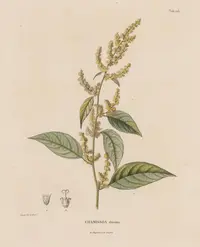
False chaff flower, Chamissoa altissima, is a fast-growing tropical vine or scrambling shrub from Central and South America, often found in coastal thickets and disturbed sites. It produces long, arching stems with simple green leaves and narrow clusters of small, pale flowers that give a soft, feathery look. The plant tends to be vigorous and can spread quickly in warm, frost-free climates, so it may need space and some control in the garden. It generally prefers sun to light shade, consistent moisture, and well-drained soil, which makes it relatively straightforward for gardeners who want to care for false chaff flower.

Care Difficulty
Moderate Care

Light Preference
Partial Sun

Water Requirements
Regular Water

Temperature Preference
Tropical / Frost Sensitive

Hardiness Zone
10–12

Soil Texture
Loamy, Silty, Organic-rich

Soil pH
Acidic (5.5–6.5), Slightly acidic (6.5–7.0)

Soil Drainage
Moist but well-drained

Fertilization
Minimal (feed rarely)
Scan your plant to receive care tips personalized for your specific plant
Available on iOS and Android
This tropical vine prefers bright, indirect light with some protection from harsh midday sun.
Watering should keep the soil consistently moist but never saturated.
This species prefers warm, frost-free conditions throughout the year.
This species grows best in moderately humid air but usually adapts to typical indoor levels.
Chamissoa altissima prefers evenly moist, well‑structured soil that drains freely yet retains some organic moisture.
This species can be grown in containers if the pot is stable and allows for its vigorous root system.
This vigorous tropical vine usually needs only light feeding when grown in average garden soil.
Chamissoa altissima responds well to thoughtful pruning that controls size and maintains vigorous growth.
This species is more often transplanted outdoors than kept long term in containers.
New plants are most often raised from seed, with stem cuttings as a secondary method.
In frost-free or very mild climates, this tropical vine needs minimal winter care outdoors.

Plant Health Check
Not sure what's wrong with your plant? Check your plant's health inside the app.
In its native Neotropical habitats, this woody vine often grows over shrubs and small trees, creating a living scaffold that other climbing plants and epiphytes can use to reach higher light levels.
The plant is noted for its long-lasting, often reddish to pinkish bracts that remain showy even after the tiny true flowers have faded, extending its visual impact for wildlife and observers.
Populations can occur in coastal areas influenced by salt spray or occasional brackish conditions, indicating a relatively high tolerance for salinity compared with many inland forest vines.
In frost-free climates this vine can spread vigorously by stems and seed, especially along fences and disturbed sites. In smaller gardens, regular pruning and removing seed heads help prevent unwanted spread and keep growth in bounds.
Keep your plants happy and healthy with plant identification, disease detection, and easy care guidance.

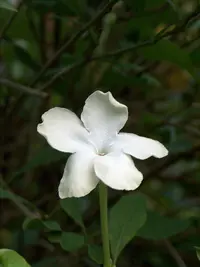
American brunfelsia
Brunfelsia americana
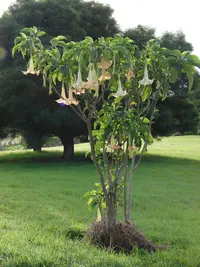
angel's-trumpet
Brugmansia × candida
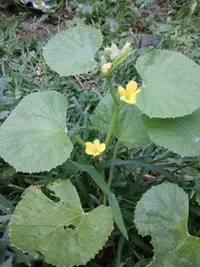
Cantaloupe
Cucumis melo var. flexuosus
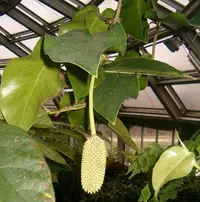
Monstera tuberculata
Monstera tuberculata
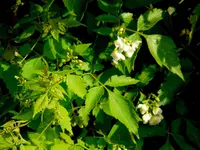
showy balloonvine
Cardiospermum grandiflorum
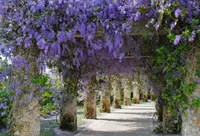
Sandpaper vine
Petrea volubilis
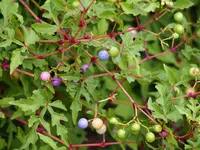
East Asian peppervine
Ampelopsis japonica
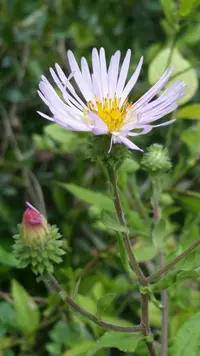
climbing aster
Ampelaster carolinianus