Cheilymenia stercorea Care

Cheilymenia stercorea

About Cheilymenia stercorea

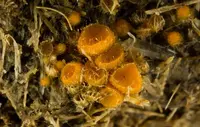
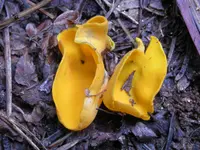
Cheilymenia stercorea is not a traditional plant but a small dung-loving cup fungus often noticed by observant gardeners and hikers. It forms tiny, bright orange to yellow discs clustered on well-rotted animal manure. These cups sit close to the surface and create a fine, carpet-like colony rather than tall structures. The species occurs widely in temperate regions, including North America and Europe, wherever nutrient-rich dung is left undisturbed. It is not usually grown on purpose, so how to care for Cheilymenia stercorea mainly comes down to providing consistently moist, organic-rich, sun-exposed conditions that mimic its natural, decomposing habitat.

Main Plant Requirements

Care Difficulty

Moderate Care

Light Preference

Partial Shade

Water Requirements

Keep Soil Moist

Temperature Preference

Warm Climate

Hardiness Zone

Unknown

Soil Texture

Loamy, Silty, Organic-rich

Soil pH

Slightly acidic (6.5–7.0)

Soil Drainage

Moist but well-drained

Fertilization

Minimal (feed rarely)

Get Personalized Care Plan

Scan your plant to receive care tips personalized for your specific plant

Available on iOS and Android

How to Care for the Cheilymenia stercorea

This dung-loving cup fungus prefers cool, open light rather than deep shade or scorching sun.

  • Provide 4–6 hours of indirect or lightly filtered daylight, such as open pasture or meadow light without dense canopy cover.
  • Tolerates brief morning sun but prolonged strong midday or afternoon sun can dry the substrate too fast and halt spore-cup formation.
  • In late autumn and winter, when natural light is weaker, growth depends more on consistently moist manure than on increased sun exposure.

Moisture in the dung substrate is the main driver for this fungus rather than a fixed watering schedule.

  • If culturing outdoors on manure, keep the pad evenly moist, letting only the top 1–2 cm just begin to dry before rewetting with a gentle soak.
  • Reduce watering during hot, windy spells by applying water more frequently in smaller amounts to avoid both desiccation and waterlogged patches.
  • Signs of overwatering include foul anaerobic odor and slimy texture, while underwatering leads to hard, cracked dung and shrinking or aborted cups.

This species fruits best in cool to mild conditions typical of temperate pastures.

  • Optimal fruiting usually occurs around 50–65°F (10–18°C), often in spring or autumn when manure stays moist without overheating.
  • Mycelium can persist down to about 32°F (0°C), but hard freezes below this for extended periods reduce fruiting until conditions warm again.
  • Hot spells above 77–82°F (25–28°C) quickly dry the substrate and suppress Cheilymenia stercorea, so partial shade and steady moisture become critical in summer.

Humidity is not a significant factor for Cheilymenia stercorea, which naturally tolerates exposed conditions.

This species naturally occurs on nutrient-rich organic matter and is not suited to conventional horticultural soil setups.

  • It typically develops on very high-organic, manure-based substrates rather than on mineral garden soil.
  • The species tolerates wet, quickly fluctuating moisture conditions and does not require structured drainage like potted plants.
  • Standard pH recommendations are not meaningful, as its niche is decomposing dung rather than a stable soil matrix.
  • Attempts to cultivate it usually focus on fresh, uncontaminated livestock manure rather than mixed substrate components such as compost or sand.

This fungus is not practically suited to container growing for ornamental or household purposes.

This saprophytic fungus is adapted to very low-nutrient conditions and does not benefit from added fertilizer in cultivation.

Cheilymenia stercorea requires no structured pruning; simple hygiene is sufficient for culture monitoring or study.

  • Remove only clearly decayed or contaminated fruiting bodies using gloved hands or sterilized tweezers.
  • Discard old substrate once cups collapse and darken, rather than trimming or cutting tissue.
  • Avoid cutting living cups, since wounding offers no horticultural benefit and may increase contamination risk.
  • Clean any reusable trays or tools with 70% alcohol after contact to limit mold and competing fungi.

In practice this dung-inhabiting cup fungus is not repotted like a houseplant; management focuses on renewing its organic substrate.

  • Replace the colonized manure or dung-based substrate once fruiting declines or contamination increases, rather than moving individual colonies.
  • Time any transfer to fresh substrate just before or at the start of the main fruiting season in your region.
  • Prepare new, moist, nutrient-rich dung or dung-amended medium and move small colonized pieces with minimal disturbance.
  • Keep the new container shaded, evenly moist, and well ventilated to reduce stress on mycelium and limit bacterial growth.

Cheilymenia stercorea propagation relies on spores and controlled substrate rather than vegetative cuttings or division.

  • Use fresh, fully mature cups and allow spores to fall onto moist, sterilized dung or dung-enriched medium.
  • Carry out sowing in mild conditions, around 60–70°F, with high humidity and good air exchange to discourage bacteria.
  • Avoid direct sun; keep light diffuse to maintain substrate moisture without overheating.
  • Minimize handling of young colonies, as fine mycelium is easily damaged and slow to re-establish after disturbance.

This fungus is naturally cold tolerant in temperate climates and usually needs no special winter care.

  • Outdoor colonies on natural dung can be left exposed; freeze-thaw cycles are part of their normal ecology.
  • Container cultures can overwinter cool and moist, not waterlogged, to keep mycelium viable.
  • Move trays under cover only to avoid excessive rain that might leach nutrients from the substrate.

Care Tips

Substrate layering

Place a 1–2 cm layer of well-aged, fully decomposed manure or dung on top of a mineral base such as field soil or sand so the fungus has a stable, low-salt, low-ammonia resource bed to colonize.

Moisture banding

To maintain the thin moisture window this fungus prefers, mist only the immediate substrate area around the fruiting patches while keeping surrounding zones slightly drier, which reduces bacterial overgrowth and surface slime.

Controlled ventilation

Provide gentle cross-ventilation or use a small fan on a low, indirect setting to keep air slowly moving over the culture, which helps spores disperse and limits surface mold competition when growing Cheilymenia stercorea.

Batch rotation

Use several small dung portions started 1–2 weeks apart instead of a single large mass so that when one substrate becomes exhausted or contaminated, another is at peak fruiting.

Clean handling tools

Handle substrate and any nearby plant material with tools wiped in 70% isopropyl alcohol before use to reduce introduction of mold and mite pests that can quickly outcompete this delicate coprophilous fungus.

Common Pests and Diseases

coprophilous fly larvae

This pest uses the dung substrate colonized by the fungus as a food and breeding site, and tunneling larvae can physically disrupt fruiting bodies. Symptoms include deformed or partially eaten cups and visible small maggots in or around the substrate.

Solution

Remove and discard heavily infested dung or substrate and, if cultivating, refresh with clean material inoculated with healthy cultures. For outdoor or research setups, use fine mesh covers over experimental patches to reduce egg‑laying by adult flies and maintain cooler, drier surface conditions to make the site less attractive.

dung springtails

These insects are tiny soil invertebrates that graze on fungal tissue and spores on manure, sometimes thinning dense patches of fruiting bodies. Symptoms include irregular gaps in the fruiting carpet and small, jumping white or gray insects visible when the substrate is disturbed.

Solution

If the goal is to maintain dense fruiting for observation, reduce excess moisture, improve ventilation, and avoid over‑rich, continually wet dung that favors large springtail populations. In contained cultures, gently remove the top layer of highly infested substrate and replace with fresh, slightly drier dung while preserving some healthy fungal tissue to regrow.

parasitic mold overgrowth

This disease occurs when fast‑growing contaminant molds colonize the same dung substrate and overrun the apothecia, covering them with cottony or powdery growth. Symptoms include rapid loss of color in the cups and a white, gray, or green film spreading across the substrate and fruiting bodies.

Solution

Discard heavily contaminated cultures and start again with freshly sterilized or pasteurized dung if attempting controlled cultivation. In semi‑controlled outdoor setups for growing Cheilymenia stercorea, limit nutrient excess and persistent wetness, and thin dense, moldy patches of substrate to decrease spore load.

bacterial substrate decay

This disease arises when manure remains saturated, allowing bacteria to dominate and break down the substrate too quickly, which can suppress or prematurely terminate fruiting. Symptoms include a strong sour or putrid odor, slimy substrate texture, and rapid collapse or failure of new cups to develop.

Solution

Manage moisture carefully by allowing the dung surface to dry slightly between wetting events and ensuring free drainage so water does not pool. Remove and discard slimy, foul‑smelling sections and replace with fresh, better‑aerated dung to provide a stable base for future fruiting.

Interesting Facts

Dung specialist ecology

This fungus is strongly coprophilous, meaning it specializes in growing on herbivore dung, especially from cows and horses, and helps break down fibrous plant material in pastures.

Minute orange cups

It forms tiny, bright orange, disc-shaped fruiting bodies only a few millimeters wide, often appearing in dense patches that can cover parts of a dung pat like a fine orange dusting.

Spore ejection timing

The asci (spore-bearing sacs) discharge spores forcibly and are known to synchronize discharge events with environmental cues such as changes in light, which can improve spore dispersal in open habitats.

FAQs about Cheilymenia stercorea

This dung-loving cup fungus is not considered edible. It is very small, insubstantial, and poorly studied for human consumption. It should be treated as inedible and left in place for its ecological role in decomposing manure.

Grow Healthy Plants with Botan Care

Keep your plants happy and healthy with plant identification, disease detection, and easy care guidance.

Botan plant care app — identify plants on mobile

Explore More Plants