Coprinopsis stercorea Care

Coprinopsis stercorea

About Coprinopsis stercorea

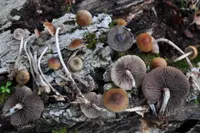
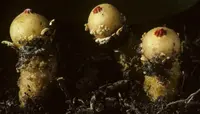
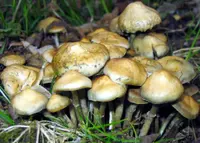
Coprinopsis stercorea is a small dung-loving mushroom, not a true plant, belonging to the ink cap group. It produces delicate, short-lived caps that quickly darken and dissolve into an inky fluid.

This fungus typically appears in nutrient-rich, manure-based substrates in pastures, stables, and compost heaps, especially after rain. In cultivation it is short-lived and unpredictable, which makes it more suitable for experienced mushroom enthusiasts than casual growers.

It generally favors cool to mild temperatures, steady moisture, and very nutrient-rich organic material. Anyone wanting to learn how to care for Coprinopsis stercorea should understand that its needs differ significantly from common houseplants and even from many other cultivated mushrooms.

Main Plant Requirements

Care Difficulty

Moderate Care

Light Preference

Partial Shade

Water Requirements

Keep Soil Moist

Temperature Preference

Cool Climate

Hardiness Zone

Unknown

Soil Texture

Organic-rich, Loamy

Soil pH

Acidic (5.5–6.5), Slightly acidic (6.5–7.0)

Soil Drainage

Moist but well-drained

Fertilization

Minimal (feed rarely)

Get Personalized Care Plan

Scan your plant to receive care tips personalized for your specific plant

Available on iOS and Android

How to Care for the Coprinopsis stercorea

This fungus prefers bright, indirect light with only brief periods of weak direct sun.

  • Provide 2–4 hours of soft morning sun or full bright shade; avoid strong midday and afternoon sun that can dry the substrate too fast.
  • Site Coprinopsis stercorea in open shade under grasses or low plants where light is filtered but surroundings are not deeply dark.
  • In summer, protect from prolonged direct exposure; in low-light seasons, ensure at least a lightly open sky so fruiting bodies still receive moderate daylight.

Moisture levels in the substrate strongly influence fruiting quality and duration.

  • Keep the manure- or compost-rich substrate evenly moist, not waterlogged; surface should feel damp but not spongy when pressed lightly.
  • Allow only the top 0.5–1 cm of substrate to begin drying before rewetting; sudden complete drying quickly stops mushroom formation.
  • In warm, windy, or summer conditions, check moisture daily and watch for caps shriveling (too dry) or sour, rotten odor and slime (excess moisture).

This species fruits best in cool to mild conditions rather than strong heat or frost.

  • Aim for 50–70°F (10–21°C) for reliable fruiting; growth slows above this and becomes unreliable in hot, dry weather.
  • Short exposures down to about 32°F (0°C) may damage or halt fruiting bodies, so expect production to drop sharply around freezing.
  • In summer, partial shade and moist substrate help buffer peaks above 75°F (24°C), while in cooler seasons, slightly milder microclimates extend the fruiting window.

Fruitbodies develop well in typical outdoor humidity, so active humidity management is rarely needed.

Coprinopsis stercorea fruits best on very nutrient-rich, moist organic substrate rather than standard garden soil.

  • Use a loose, high-organic mix such as well-rotted manure blended with compost to mimic its natural dung-rich habitat.
  • Ensure the substrate stays evenly moist yet not waterlogged by mixing in coarse material like straw pieces or shredded bark for structure.
  • Aim for slightly alkaline to neutral conditions (around pH 7–7.5), avoiding strongly acidic substrates that can suppress fungal activity.
  • Avoid dense clay or compacted mineral soils; maintain aeration by keeping the substrate fluffy and not heavily trodden.

This species can be grown in shallow outdoor containers if the substrate and moisture are controlled carefully.

  • Select a broad, low container to spread the manure-based substrate in a 5–10 cm layer, which supports rapid fruiting cycles.
  • Use a rigid, non-porous container material so moisture remains stable and does not wick away too quickly from the thin substrate layer.
  • Raise the container slightly off the ground so excess leachate can drain freely and not re-saturate the substrate from below.

This fungus typically grows on nutrient-rich manure and usually does not need additional fertilizer in cultivation.

Pruning is not relevant for Coprinopsis stercorea, as it is a short-lived mushroom that completes its life cycle quickly.

Transplanting focuses on maintaining fresh, nutrient-rich substrate rather than moving mature fruiting bodies.

  • Replace the manure-based substrate once fruiting declines or growth becomes sparse, rather than waiting for visible root restriction.
  • Plan any substrate renewal for mild weather to reduce stress on the fungal mycelium and maintain moisture stability.
  • Gently transfer colonized substrate to fresh, similar material, disturbing the mycelium as little as possible.
  • Keep the new substrate evenly moist and shaded after transfer to support recovery and continued development.

Propagation of this fungus relies on spores or transfer of colonized substrate rather than typical plant methods.

  • Use spore prints collected from mature caps placed on clean paper or foil in a humid, draft-free spot.
  • Sow spores onto fresh, moist manure or a similar nutrient-rich substrate during mild temperatures for best establishment.
  • Alternatively, move chunks of active, white mycelium with attached substrate into fresh material to extend colonies.
  • Maintain high humidity, indirect light, and steady moisture to support spore germination and mycelial spread.

Outdoor colonies of this manure-loving mushroom usually need no specific winter care, as they appear opportunistically in suitable conditions.

Care Tips

Manure substrate choice

Use well-aged horse or cow manure mixed with straw rather than fresh manure, as this provides the high nitrogen the fungus prefers while reducing excess ammonia that can inhibit fruiting.

Controlled substrate pasteurization

Lightly pasteurize the manure mix at 60–70°C for 30–60 minutes instead of fully sterilizing it, which lowers competing organisms while still leaving a balanced microflora that helps this species establish.

Shallow spawning technique

Incorporate spawn only in the upper 2–4 cm of the substrate, since this inkcap fruits best from near-surface mycelium and deep spawning often delays or reduces mushroom formation.

Moisture dome setup

For small trays, place them inside a larger clear tote with a few small air holes and a shallow layer of water at the bottom (tray elevated above the water) to maintain stable, high humidity without directly soaking the substrate while growing Coprinopsis stercorea.

Rapid harvest schedule

Inspect trays several times daily and harvest as soon as caps expand and lighten in color, since this species deliquesces quickly and prompt picking is essential for any observational work or spore collection when caring for Coprinopsis stercorea.

Common Pests and Diseases

Fungus gnat larvae

This pest lives in very wet, organic substrates and feeds on fine fungal mycelium and developing fruiting bodies. Symptoms include slowed or distorted mushroom development and visible small black gnats flying over trays or beds.

Solution

Allow the substrate surface to dry slightly between heavy misting, improve air movement, and use fine mesh over vents to reduce adult entry. Yellow sticky traps near the culture help monitor and lower adult numbers, while a biological larvicide containing Bacillus thuringiensis israelensis (BTI) can be applied to the substrate according to label directions in mushroom-growing setups.

Mite infestations

These insects are tiny arthropods that can graze on mycelium, spores, or young fruiting bodies, especially in manure-rich substrates. Symptoms include patchy, thin mycelium, deformed caps, and small moving white or tan dots on the substrate surface.

Solution

Reduce excessive moisture and maintain good ventilation so the substrate is moist but not waterlogged, which discourages mite buildup. Remove and discard heavily infested sections of substrate, clean containers and tools thoroughly, and, in controlled culture systems, consider introducing predatory mites sourced from biological control suppliers to keep pest mite populations low.

Green mold (Trichoderma)

This disease is caused by competitive green-spored molds that colonize manure-based substrate faster than the intended fungus. Symptoms include bright white, then rapidly green fuzzy patches that overtake Coprinopsis mycelium and block normal mushroom formation.

Solution

Discard heavily contaminated substrates promptly and do not try to salvage them, as spores spread easily. Sterilize or thoroughly wash growing trays, tools, and nearby surfaces, reduce nutrient-rich debris around the growing area, and start new cultures only from clean, uncontaminated spawn under as hygienic conditions as possible when growing Coprinopsis stercorea intentionally.

Interesting Facts

Manure specialist

This inkcap is strongly coprophilous, meaning it is specialized to grow on herbivore dung, especially horse manure, where it rapidly decomposes fresh droppings and recycles nutrients back into the soil.

Self-digesting gills

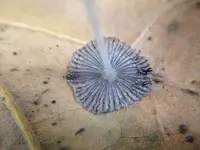
The fruiting body undergoes autodigestion, a process called deliquescence, where the gills liquefy into a dark inky fluid that helps disperse mature spores before the cap collapses.

Nitrogen-rich habitat

Its life cycle is tightly linked to nitrogen-rich substrates, and it typically appears only where dung or heavily manured soil provides the high nutrient levels required for its rapid growth.

Botan icon

Did you know?

This species commonly fruits in tight clusters on a single dung pat, forming dense troops that can almost carpet the surface, an efficient strategy for saturating the immediate air with spores in a very short time window.

FAQs about Coprinopsis stercorea

This species is not recommended for consumption. It is small, short-lived, and difficult to identify safely, with potential confusion with toxic inkcap relatives. Foraging should be left to experienced mycologists using reliable, region-specific identification guides.

Grow Healthy Plants with Botan Care

Keep your plants happy and healthy with plant identification, disease detection, and easy care guidance.

Botan plant care app — identify plants on mobile

Explore More Plants