Square-leaved Crestwort Care (Chiloscyphus polyanthos)

Also known as: St Winifred's Moss
Square-leaved Crestwort

About Square-leaved Crestwort

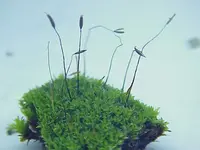
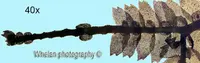
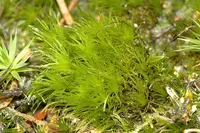
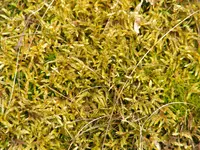
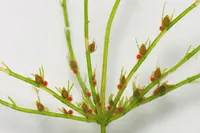
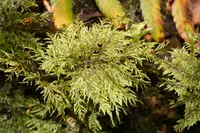
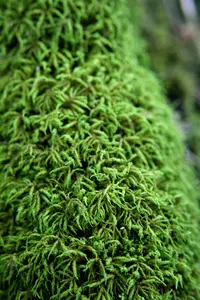
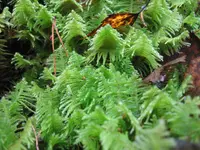
Square-leaved crestwort (Chiloscyphus polyanthos) is a small liverwort, a non-vascular plant that spreads as flat, leafy mats along damp surfaces. It forms low, green carpets with overlapping, squarish leaves pressed close to the ground or rock, often near streams, springs, and other constantly moist habitats. This species occurs widely in temperate regions, including parts of North America and Europe, where clean, cool, humid conditions support dense colonies. It tends to be easy to maintain in specialized terrariums or shaded water features, as long as moisture is constant and air does not become too dry. For those learning how to care for Square-leaved Crestwort, stable humidity and gentle, indirect light are the main priorities.

Main Plant Requirements

Care Difficulty

Hard Care

Light Preference

Shade

Water Requirements

Aquatic

Temperature Preference

Cool Climate

Hardiness Zone

3–9

Soil Texture

Silty, Peaty, Organic-rich

Soil pH

Strongly acidic (4.5–5.5), Acidic (5.5–6.5)

Soil Drainage

Waterlogged tolerant

Fertilization

Minimal (feed rarely)

Get Personalized Care Plan

Scan your plant to receive care tips personalized for your specific plant

Available on iOS and Android

How to Care for the Square-leaved Crestwort

This liverwort prefers low to moderate light that mimics shaded stream banks and damp woodland floors.

  • Provide bright shade or dappled light, such as 1–2 hours of weak morning sun and the rest of the day in full shade or filtered light under shrubs or trees.
  • Avoid direct midday or afternoon sun; more than 2 hours of strong sun can cause bleaching, drying, and loss of the flat, green mats of Square-leaved Crestwort.
  • In summer, increase shade as the sun intensifies; in winter, slightly more open shade is acceptable as long as the substrate stays cool and moist.

This species needs consistently moist conditions and does not tolerate drying out.

  • Aim for a constantly damp substrate; surfaces should feel cool and moist at all times, never fully dry, especially on exposed rocks or soil near water.
  • Increase watering or misting during hot, windy, or low-humidity periods so that the top surface never crusts or lightens in color from dryness.
  • Reduce added water in cool, wet seasons to avoid stagnation; overwatered sites show slimy, decaying fronds, while underwatered Chiloscyphus polyanthos curls, shrivels, and turns dull.

This streamside liverwort favors cool to mild temperatures and is sensitive to both frost heave and high heat.

  • Optimal growth occurs around 50–68°F (10–20°C), typical of cool, shaded ravines and stream margins.
  • It tolerates brief drops close to 32°F (0°C) if kept moist and protected, but repeated freezing and thawing can detach mats from their substrate.
  • Heat above about 77–82°F (25–28°C), especially with low humidity, can cause rapid drying; provide deeper shade, more moisture, and airflow in hot seasons to limit stress.

This liverwort needs consistently high air humidity to thrive in cultivation.

  • Aim for 70–95% humidity, as Square-leaved Crestwort naturally grows in constantly moist, splash zones along streams.
  • Dry air causes pale, shriveling fronds and crisp edges, often starting on exposed margins.
  • Increase humidity with enclosed terraria, covered trays with wet sphagnum, or placement near gently moving, moisture-rich water features.

This species prefers a constantly moist, fine-textured, organic substrate rather than typical potting soil.

  • Use a mix of milled sphagnum, fine orchid bark, and leaf mold or composted leaf litter to mimic damp streambank moss layers.
  • Aim for slightly acidic conditions, around pH 5.0–6.5, which suits Chiloscyphus polyanthos and limits nutrient lockout.
  • Keep the substrate evenly moist but not flooded; excess standing water reduces oxygen and quickly causes tissue rot.
  • Improve aeration by adding a small portion of fine perlite or pumice, avoiding coarse sand that compacts and smothers rhizoids.

This species can be grown in shallow containers, trays, or terraria when moisture is carefully controlled.

  • Choose a wide, shallow container so the mat can spread horizontally while the thin substrate stays evenly damp.
  • Use plastic or glazed ceramic to slow evaporation, which keeps the thin substrate from drying between misting or watering.
  • Set the container in a stable, level position where water can drain off gently without disturbing the delicate mat surface.

Chiloscyphus polyanthos is adapted to low-nutrient habitats and usually needs no added fertilizer under normal conditions.

  • If growth is very weak in culture, apply a highly diluted balanced liquid NPK fertilizer at 1⁄8–1⁄4 strength.
  • Feed only during active growth in spring–summer, no more than once every 4–6 weeks.
  • Avoid slow-release pellets directly on the moss; they can burn tissues and encourage algae.
  • Rely mainly on clean, slightly nutrient-poor water and suitable substrate when caring for Square-leaved Crestwort.

Chiloscyphus polyanthos requires minimal pruning, mainly to maintain tidy growth in culture.

  • Trim back dead, browned, or decaying pads at any time using fine scissors or tweezers.
  • Lightly thin crowded patches to improve air flow and reduce fungal issues, keeping the mat low and even.
  • Remove loose debris such as fallen leaves or twigs to prevent rot within the moss carpet.
  • Avoid heavy cutting; maintain a continuous mat by only shortening overgrown edges.

This liverwort is rarely potted; management usually focuses on gently resetting or transplanting small mats.

  • Transplant when growth lifts from the substrate, dries at the edges, or when the container surface becomes compacted or algae-dominated.
  • Best timing is in cool, moist conditions of spring or early autumn to reduce water stress.
  • Expect to reset or move cultured mats every 1–2 years as substrates age or clog.
  • Lift thin sections with a spatula, place onto fresh moist, shaded substrate, and mist well to settle without pressing hard on the delicate rhizoids.

Chiloscyphus polyanthos is commonly propagated vegetatively, using small fragments of the leafy shoots.

  • Take tiny segments of healthy shoots and press them gently onto fresh, consistently moist substrate.
  • Carry out propagation in spring or early autumn, maintaining cool temperatures and high humidity, with low to medium light.
  • Cover trays with a clear lid or plastic dome for stable moisture while ensuring some air exchange.
  • Avoid burying fragments; good contact with the surface and clean water are key for new growth.

In suitable climates this species is quite cold tolerant and usually needs little special winter care outdoors.

  • In regions with severe frost, grow in shallow containers that can be moved to a cold, frost-free but bright shelter.
  • Keep the substrate just moist; water sparingly in winter to avoid ice damage around the rhizoids.
  • Avoid exposure to drying winds or strong winter sun that can desiccate exposed mats.

Care Tips

Rock Crevice Mounting

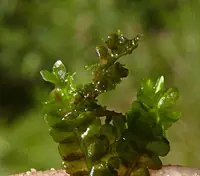
Tuck the thallus into shallow rock crevices or between broken slate pieces so water can flow across but not dislodge it, mimicking the plant’s natural stream-bank habitat.

Gentle Water Film

When using artificial streams or drip setups, adjust the flow to create a thin, continuous film of water over the colony rather than splashing, which reduces mechanical damage and prevents fragments from washing away.

Fragment Propagation

Use clean tweezers to gently pinch off small, healthy fragments and press them onto new moist stone or bark; keep them constantly damp for 2–3 weeks to establish new patches and expand coverage.

Clean, Low-Nutrient Water

Irrigate with soft, low-mineral water and avoid runoff from fertilized beds, since elevated nutrients and salts favor algae growth that can quickly smother the liverwort.

Algae and Moss Control

Periodically lift and gently rinse the mats in clean water, then manually tease away filamentous algae or overgrowing moss with blunt tweezers to keep light and airflow at the thallus surface when caring for Square-leaved Crestwort.

Common Pests and Diseases

Algal overgrowth

Symptoms include a slimy green film covering the thallus surface, competing for light and reducing gas exchange. This problem appears most often in nutrient-rich, stagnant water conditions.

Solution

Reduce dissolved nutrients by changing water more frequently and avoiding fertilizer runoff, then gently rinse the thalli in clean, cool water to remove surface algae. Improve water movement and light balance (bright but not intense direct sun) to discourage regrowth while maintaining stable humidity for good Chiloscyphus polyanthos care.

Fungal blight

This disease causes soft, water-soaked patches on the thallus that quickly turn brown or black and may develop a faint white or gray fungal growth. Symptoms include rapid tissue collapse in overly shaded, stagnant, and constantly saturated microhabitats.

Solution

Remove and discard affected patches with clean tweezers, then improve air movement and reduce waterlogging while keeping the substrate evenly moist, not flooded. Use a mild copper-free fungicide labeled safe for mosses and liverworts if spread continues, and avoid overhead misting that keeps surfaces constantly wet.

Springtails

These insects are tiny, pale to dark arthropods that jump when disturbed and often congregate on constantly wet substrate and thallus surfaces. This pest usually feeds on decaying organic matter but can stress weakened liverwort tissues when populations are very high.

Solution

Lower excess moisture by allowing the surface to drain between waterings and reduce accumulated organic debris around the colony. If numbers remain high, flush the area gently with clean water, then apply a targeted, low-toxicity insecticidal soap or horticultural oil to the surrounding substrate rather than directly saturating the thallus.

Liverwort gnats

These insects resemble small fungus gnats, with adults flying low over damp colonies while larvae feed in the upper substrate and among delicate tissues. This pest thrives in constantly wet, organic-rich media with limited air movement.

Solution

Allow the substrate surface to become just slightly less wet between waterings while keeping the thalli moist, and use yellow sticky traps to reduce adult numbers. For heavy infestations, use a biological control such as Bacillus thuringiensis israelensis (BTI) in the water and switch to a cleaner, low-organic substrate to break the life cycle.

Cyanobacterial crust

This disease forms dark blue-green, sometimes almost black, crusty or slimy patches over the substrate and liverwort, shading it and interfering with gas exchange. Symptoms include reduced growth and gradual thinning or dieback beneath the crusted areas.

Solution

Carefully lift and discard affected surface layers of substrate and damaged thalli, then increase water circulation and light slightly while avoiding direct, intense sun. Maintain cleaner water with low dissolved nutrients and avoid manures or rich organic additives, which favor cyanobacterial growth, to keep the colony stable and healthy.

Interesting Facts

Aquatic liverwort ribbons

This species often grows as thin, flat ribbons attached to stones or submerged wood in cool, fast-flowing streams, forming dense, green mats that can tolerate regular submersion.

Indicator of clean water

Populations are most abundant in unpolluted, well-oxygenated streams and seeps, so their presence is frequently used by bryologists as a sign of good freshwater quality.

Reproduction without flowers

As a liverwort, it does not produce flowers or seeds but spreads by spores from small capsules on stalks, and also fragments easily, so small pieces can grow into new plants in moving water.

Botan icon

Did you know?

Genetic and morphological studies show that this species has an unusually broad ecological and geographic range for a liverwort, occurring from lowland streams to montane habitats across much of the Northern Hemisphere, which makes it a common model species in research on aquatic bryophyte adaptation.

FAQs about Square-leaved Crestwort

This liverwort forms low, creeping mats that expand steadily in consistently moist, cool conditions. It can cover soil, rocks, or wood over time but is usually easy to control by lifting and thinning unwanted patches by hand.

Grow Healthy Plants with Botan Care

Keep your plants happy and healthy with plant identification, disease detection, and easy care guidance.

Botan plant care app — identify plants on mobile

Explore More Plants