Early framework pruning
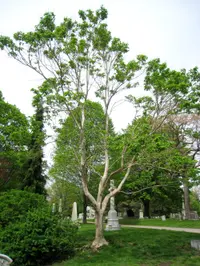
During the first 2–3 years, selectively shorten overly long shoots and keep 3–5 strong scaffold branches to build a stable framework that will better support the plant’s mature size and canopy weight.

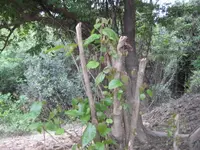
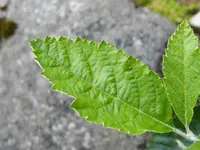
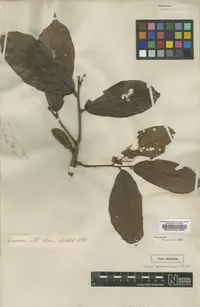
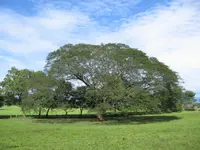
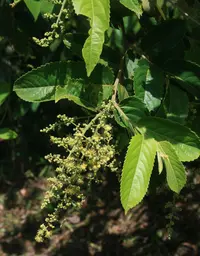
Christiana africana is a tropical shrub or small tree in the mallow family, usually found in lowland forests and moist woodland edges. It has simple green leaves and a fairly upright, branching habit, forming a modest canopy rather than a dense thicket.
This species is native to parts of tropical Africa, where it grows in warm, humid conditions with regular rainfall. It is not widely used as an ornamental, so practical information on how to care for Christiana africana in gardens or containers is still limited.
In general, it is likely to prefer consistently moist, well-drained soil and filtered to bright indirect light, similar to many other understory tropical shrubs.

Care Difficulty
Moderate Care

Light Preference
Partial Shade

Water Requirements
Moderate Water

Temperature Preference
Warm Climate

Hardiness Zone
Unknown

Soil Texture
Loamy

Soil pH
Slightly acidic (6.5–7.0)

Soil Drainage
Well-drained

Fertilization
Minimal (feed rarely)
Scan your plant to receive care tips personalized for your specific plant
Available on iOS and Android
This species prefers bright conditions with some protection from intense midday rays.
Watering should keep the root zone moist but never saturated.
This plant grows best in warm, frost-free conditions with modest seasonal change.
This species tolerates a wide humidity range but grows best with moderately moist air.
Christiana africana prefers loose, aerated soil that drains freely but does not dry out instantly.
This species can be grown in containers if the pot supports its root depth and moisture needs.
This species usually grows well in the ground with minimal feeding, but light nutrition supports container or nursery-grown Christiana africana.
Pruning helps maintain structure and remove weak growth on Christiana africana without stressing the tree.
This species is mainly grown in the ground, so focus on careful transplanting rather than frequent repotting.
Propagation is usually done in professional or restoration settings, using both seeds and semi-hardwood cuttings.
In mild, frost-free climates this tree needs little specific winter attention once established outdoors.

Plant Health Check
Not sure what's wrong with your plant? Check your plant's health inside the app.
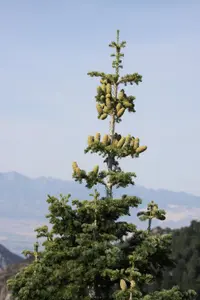
Christiana africana is a small to medium-sized tree native to lowland evergreen and moist semi-deciduous forests of West and Central Africa, often found near rivers and in secondary forest edges.
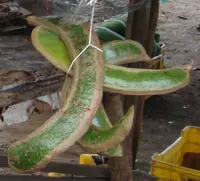
The inner bark of this species is notably fibrous and has been traditionally used in parts of its range as a source of cordage and rough textiles due to its toughness and flexibility.
In some areas of West Africa, the foliage is reported as a food plant for caterpillars of certain Lepidoptera species, integrating the tree into local forest insect food webs.
Yellowing leaves often result from water stress, either consistently soggy soil or prolonged dryness. Nutrient-poor soil or compacted roots can also contribute. Check drainage, adjust watering frequency, and consider a light, balanced fertilizer if growth looks weak overall.
Keep your plants happy and healthy with plant identification, disease detection, and easy care guidance.