Common Everlasting Care (Chrysocephalum apiculatum)

Also known as: Yellow Buttons
Common Everlasting

About Common Everlasting

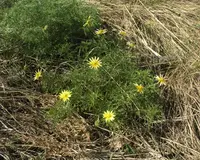
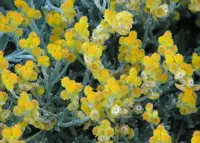
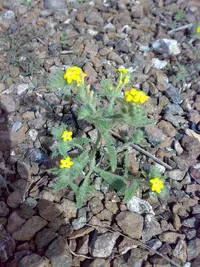
Common everlasting, Chrysocephalum apiculatum, is a small, drought-tolerant perennial from Australia, often grown as a bedding or container plant. It forms low, bushy clumps of silvery to gray-green foliage topped with clusters of small, bright yellow, button-like flowers.

In suitable conditions it blooms over a long season and keeps a compact, tidy shape, which makes it popular for low-maintenance gardens. Its tolerance of poor, sandy soils and dry conditions usually makes it easy to grow, especially in sunny spots.

Understanding how to care for Common Everlasting starts with knowing it prefers full sun, good drainage, and light to moderate watering, rather than constantly wet soil.

Main Plant Requirements

Care Difficulty

Easy Care

Light Preference

Full Sun

Water Requirements

Low Water

Temperature Preference

Warm Climate

Hardiness Zone

8–11

Soil Texture

Sandy, Loamy, Rocky

Soil pH

Slightly acidic (6.5–7.0), Neutral (7.0)

Soil Drainage

Well-drained

Fertilization

Minimal (feed rarely)

Get Personalized Care Plan

Scan your plant to receive care tips personalized for your specific plant

Available on iOS and Android

How to Care for the Common Everlasting

This sun-loving perennial thrives in open, bright positions with lean, well-drained soil.

  • Provide 6–8 hours of direct sun daily; morning sun with some light afternoon shade suits hot inland areas.
  • Plant tolerates light or dappled shade for a few hours, but stems may stretch and flowering drops if light falls below about 4 hours.
  • In summer, monitor for leaf scorch or bleaching in reflected heat; in winter, choose the sunniest spot available to support caring for Common Everlasting.

This drought-tolerant species prefers infrequent, deep watering rather than constant moisture.

  • Water only when the top 3–5 cm of soil are completely dry; in most climates this means after several rain-free days.
  • Ensure sharply drained soil or raised beds so water never pools around roots; yellowing, soft stems suggest overwatering or poor drainage.
  • In hot, dry periods, increase frequency slightly if foliage wilts and fails to perk up overnight; reduce watering in cool or rainy seasons for Chrysocephalum apiculatum.

This plant prefers warm, dry conditions and dislikes prolonged cold or humidity.

  • Aim for 65–80°F (18–27°C) for best growth and flowering during the main growing season.
  • Mature plants tolerate brief dips to about 25°F (−4°C), but repeated frost or freezing, especially in wet soil, can cause root and crown damage.
  • In hot summers it handles 90–100°F (32–38°C) if soil drains fast and air is moving; mulch lightly to buffer rapid temperature swings.

This species handles a wide humidity range and rarely needs special humidity management.

  • Aim for 30–50% humidity, similar to most heated or air-conditioned homes.
  • Common Everlasting tolerates dry air better than many ornamentals, so avoid frequent misting that can encourage foliar disease.
  • If air is extremely dry and hot, slight leaf curl or crisping tips indicate stress; improve air movement rather than adding localized humidity.

This plant prefers lean, sandy, sharply drained soil that dries quickly between waterings.

  • Use a mix of 50–70% coarse sand or fine grit with the rest as standard potting mix to mimic the naturally poor, open soils Chrysocephalum apiculatum grows in.
  • Aim for slightly acidic to neutral pH around 6.0–7.0, avoiding strongly acidic or alkaline conditions that can limit nutrient uptake.
  • Add perlite or small pumice to increase aeration so roots receive enough oxygen and are less prone to rot.
  • Avoid heavy clay, water-retentive peat-heavy mixes, or spots where water stands after rain, since prolonged saturation quickly damages roots.

This species is well suited to container growing outdoors in sunny, open conditions.

  • Choose a wide, shallow pot to accommodate its spreading, fibrous roots and keep the crown slightly above the rim to shed water away from stems.
  • Select a lightweight, non-glazed or fabric-style container when frequent rain is expected, since these materials allow faster moisture loss.
  • Elevate the pot on feet or blocks so drainage holes stay clear and runoff leaves the container quickly after heavy irrigation or storms.]},

This drought-tolerant native needs modest feeding, so focus on light, steady nutrition rather than heavy fertilizer doses when caring for Common Everlasting.

  • Use a balanced, slow-release fertilizer (around 10-10-10) or a thin layer of compost in spring to support flowering.
  • Feed every 6–8 weeks during the main growing season if growth is weak or soil is poor.
  • Dilute liquid fertilizers to 1/2 strength to avoid soft, leggy growth and salt buildup in the soil.
  • Stop feeding in late summer to early fall so new growth hardens before cooler weather.

Chrysocephalum apiculatum responds well to light, timely pruning that maintains a compact, floriferous mound.

  • In late winter or very early spring, trim back leggy stems by 1/3 to encourage dense new growth.
  • Deadhead spent flower clusters during the season to extend blooming and keep plants tidy.
  • Remove dead, damaged, or crowded stems at the base using clean, sharp scissors or hand pruners.
  • Shear lightly after peak flowering to refresh foliage and stimulate another flush of buds.

This species is often grown in borders or rocky sites, but container plants or young nursery stock tolerate transplanting if handled gently.

  • Plan transplanting or repotting for spring, once frost risk has passed and soil is warming.
  • Look for roots circling the pot, quick drying of the mix, or slowed growth as signals the plant is pot-bound.
  • Move to a container only 2–3 cm wider, using a free-draining, sandy mix to prevent root rot.
  • Loosen circling roots gently, water thoroughly after planting, and shade for a few days to limit transplant shock.

Chrysocephalum apiculatum is commonly propagated by seeds and softwood cuttings, with division also useful for older clumps.

  • Sow fresh seed in late winter to spring on the surface of a light, sandy mix and keep at 65–75°F with bright light.
  • Take 5–8 cm softwood tip cuttings in late spring to summer, use rooting hormone, and maintain high humidity.
  • Divide established clumps in spring, replanting divisions into well-drained soil and watering until established.
  • Provide excellent air movement and avoid waterlogging during rooting or germination to reduce damping-off and rot.

This plant is moderately frost tolerant in mild climates but may need extra help in colder regions.

  • In USDA zones roughly 8–10, plants often overwinter outdoors with minimal intervention if soil drains well.
  • Apply a 3–5 cm layer of coarse mulch around, but not against, crowns in fall to buffer temperature swings.
  • In colder zones or exposed sites, grow in containers and move indoors to a cool, bright, frost-free area for winter.

Care Tips

Encourage Compact Growth

Pinch back soft shoot tips every 3–4 weeks in active growth to keep plants low, dense, and floriferous, rather than letting stems stretch and flop.

Staggered Rejuvenation Pruning

Instead of cutting the entire plant back at once, trim one-third of the oldest, woodiest stems to the base every 3–4 weeks in warm seasons to maintain constant bloom while renewing growth.

Improve Heat Resilience

In very hot, reflective sites such as beside pavement, add a 2–3 cm layer of light-colored gravel mulch around but not touching the crowns to reduce root-zone heat stress and soil splash on foliage.

Deadhead For Longer Bloom

Shear off spent flower clusters with scissors every 2–3 weeks during peak season to stimulate rapid production of new buds and extend the flowering period.

Prepare For Overwintering

In climates with cold, wet winters, plant on a raised mound or in a low berm and mix coarse grit into the top 10–15 cm of soil to improve drainage and increase survival when caring for Common Everlasting.

Common Pests and Diseases

Aphids

These insects feed on soft new growth, causing distortion, sticky honeydew, and sometimes sooty mold on leaves and stems.

Solution

Prune off heavily infested shoot tips, then wash remaining stems with a strong but controlled stream of water. For persistent colonies, use an insecticidal soap or ready-to-use neem oil spray, applied in the early morning and repeated every 7–10 days as needed while monitoring for beneficial insects like ladybird beetles.

Two-spotted spider mites

These pests thrive in hot, dry conditions and cause fine stippling on foliage, a dusty appearance, and fine webbing between leaves and stems.

Solution

Increase humidity around the plant with gentle overhead misting and rinse foliage thoroughly with water, focusing on leaf undersides. For heavier infestations, use a miticidal soap or horticultural oil labeled for mites, applied in several rounds 5–7 days apart, and reduce plant stress by avoiding drought and heat buildup around pots or garden beds.

Leaf spot

This disease causes small brown to dark olive spots on leaves that can enlarge and coalesce, leading to premature leaf drop in humid or poorly ventilated conditions.

Solution

Remove and discard affected leaves and any fallen debris, then improve air movement by spacing plants and avoiding overhead watering late in the day. If conditions stay humid and spotting continues to spread, apply a copper-based or chlorothalonil fungicide according to label directions, treating both upper and lower leaf surfaces.

Botrytis blight

This disease develops in cool, moist conditions, producing soft, water-soaked patches on stems, buds, and flowers that turn brown and may be covered with gray fuzzy spores.

Solution

Promptly cut out and discard all affected tissue, thin dense growth to improve airflow, and avoid wetting flowers and foliage when watering. In ongoing wet weather, a preventive spray with a labeled botrytis fungicide can help protect flower clusters, combined with good hygiene such as removing spent blooms before they rot.

Interesting Facts

Australian habitat specialist

This species is native to Australia and naturally occurs in open grasslands, rocky outcrops, and dry woodland edges, often in nutrient-poor, well-drained soils where many other perennials struggle to survive.

Long-lasting papery blooms

Its bright yellow flower heads are composed of dry, papery bracts that resist fading and physical damage, which is why the inflorescences can persist for a long time and are widely used as true everlastings in dried flower arrangements.

Important insect resource

The small composite flower heads provide nectar and pollen for a wide range of native bees, hoverflies, and butterflies in Australia, making this species a useful component of pollinator-friendly plantings.

Botan icon

Did you know?

Genetic and morphological variation across its wide Australian range has led botanists to divide this species complex into several subspecies and regional forms, and taxonomic work is still ongoing to clarify exactly how many distinct entities it contains.

FAQs about Common Everlasting

This species forms low, slowly spreading clumps through short stems rather than running roots. It usually stays contained, but in very dry, open sites it can self-seed modestly. Unwanted seedlings pull out easily from loose soil.

Grow Healthy Plants with Botan Care

Keep your plants happy and healthy with plant identification, disease detection, and easy care guidance.

Botan plant care app — identify plants on mobile

Explore More Plants