Early structural training
In the first 2–3 years, select a single strong leader and remove or shorten competing uprights to build a stable central trunk that will better support future fruit loads.

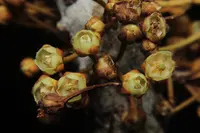
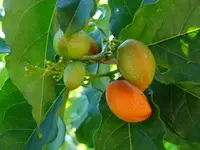
Chrysophyllum colombianum is a tropical tree species in the sapodilla family, grown mainly for its attractive foliage and edible fruit. It typically forms a compact to medium canopy with glossy, evergreen leaves and small, rounded fruit.
This species is native to Colombia and nearby regions of northern South America, where it grows in warm, humid forests. In cultivation it prefers consistent moisture, well-drained soil, and sheltered, bright conditions.
Many growers find it moderately challenging outside the tropics because it dislikes cold, dry air, and poorly drained substrates. Understanding how to care for Chrysophyllum colombianum starts with providing stable warmth and protection from prolonged drought or waterlogging.

Care Difficulty
Moderate Care

Light Preference
Partial Shade

Water Requirements
Moderate Water

Temperature Preference
Warm Climate

Hardiness Zone
Unknown

Soil Texture
Loamy, Organic-rich

Soil pH
Acidic (5.5–6.5)

Soil Drainage
Well-drained

Fertilization
Minimal (feed rarely)
Scan your plant to receive care tips personalized for your specific plant
Available on iOS and Android
This species prefers bright, gentle light similar to an open woodland edge.
Watering should maintain steady moisture without leaving the roots waterlogged.
This species prefers warm, stable conditions typical of lowland tropics.
This species prefers moderately humid air and reacts if conditions stay too dry.
This tree prefers deep, slightly acidic, well-drained loamy soil with stable moisture.
This species can be grown in large containers for some years if root space and stability are managed carefully.
This species benefits from light, consistent feeding when grown in containers or managed plantings.
Chrysophyllum colombianum responds well to light structural pruning to keep a strong framework and healthy canopy.
This tree is usually field-grown, so focus on careful transplanting rather than frequent container repotting.
Chrysophyllum colombianum is usually propagated by seed, with vegetative methods used less often and mainly by specialists.
This tropical tree is frost-sensitive and needs protection in regions with cool or freezing winters.

Plant Health Check
Not sure what's wrong with your plant? Check your plant's health inside the app.
This species is native to montane forests of the northern Andes, reported mainly from Colombia and nearby regions, and is associated with humid, mid‑elevation tropical forests rather than lowland rainforest or dry forest habitats.
Like other Chrysophyllum species, it has leaves with a characteristic golden‑brown indumentum (a fine layer of hairs) on the underside, which helps distinguish it in the field from many other Neotropical trees.
Chrysophyllum colombianum belongs to the Sapotaceae, the same family as sapodilla and star apple, and shares the family’s typical latex‑producing tissues and often milky sap.
This species is a slow to moderate grower. Young trees may add about 20–40 cm per year under warm, moist, fertile conditions. Growth slows as the canopy fills and roots face container or soil limitations.
Keep your plants happy and healthy with plant identification, disease detection, and easy care guidance.