cirriphyllum moss Care (Cirriphyllum piliferum)

Also known as: Hair-pointed Feather-moss
cirriphyllum moss

About cirriphyllum moss

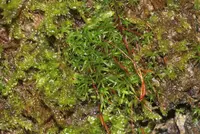
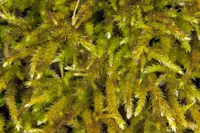
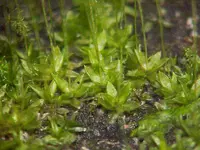
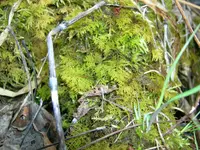
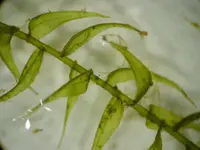
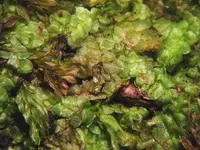
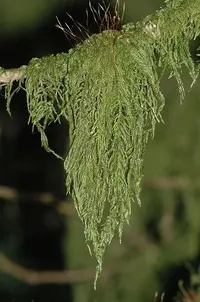
Cirriphyllum piliferum, often called cirriphyllum moss, is a creeping, carpet-forming moss that creates dense, fine-textured mats of green foliage. Its shoots are slender and softly curved, giving a delicate, feathery look on soil, rocks, or decaying wood.

This species is common in temperate regions of Europe and parts of North America, usually in moist forests, shaded banks, and damp grasslands. It is generally considered easy to grow if kept consistently moist and protected from full, harsh sun.

Its tolerance of shade and irregular surfaces makes it suitable for terrariums, shaded gardens, and naturalistic displays. Understanding how to care for cirriphyllum moss mainly involves providing steady moisture, gentle airflow, and stable, cool to mild temperatures.

Main Plant Requirements

Care Difficulty

Moderate Care

Light Preference

Shade

Water Requirements

Keep Soil Moist

Temperature Preference

Cold Hardy

Hardiness Zone

3–8

Soil Texture

Loamy, Silty, Organic-rich

Soil pH

Strongly acidic (4.5–5.5), Acidic (5.5–6.5)

Soil Drainage

Waterlogged tolerant

Fertilization

Minimal (feed rarely)

Get Personalized Care Plan

Scan your plant to receive care tips personalized for your specific plant

Available on iOS and Android

How to Care for the cirriphyllum moss

This moss prefers low to moderate light that mimics a shaded forest floor.

  • Provide dappled or filtered light, such as under shrubs or trees, with no more than 1–2 hours of weak morning sun per day for cirriphyllum moss.
  • Avoid direct midday and afternoon sun, which can dry and bleach the moss; aim for bright shade or north-facing exposure outdoors.
  • In summer, protect patches exposed by leaf drop or pruning; in winter, slightly increased light is acceptable if direct sun is still limited.

This moss needs consistently moist conditions but not stagnant water.

  • Keep the substrate evenly damp, allowing only the surface to start feeling barely dry before rewetting, rather than waiting for several centimeters to dry out.
  • Use gentle watering, misting, or a fine rose so water soaks in slowly; good drainage prevents puddling, sour smells, or slimy patches that indicate overwatering.
  • Increase checks in hot, windy weather, watching for curling or crisping tips as a sign to water, and reduce watering frequency in cool, shaded seasons.

This species is adapted to cool, temperate climates with moderate seasonal change.

  • Aim for active growth in 50–70°F (10–21°C); mild fluctuations within this range are well tolerated on shaded soil, rock, or wood surfaces.
  • Tolerates short dips to around 20–25°F (-6 to -4°C) once established, but repeated freeze–thaw on exposed sites can damage cushions and dry them out.
  • Above 80°F (27°C), keep it shaded and moist; prolonged heat above 90°F (32°C) combined with full sun greatly increases desiccation stress and dieback risk.

This moss prefers consistently moist, cool air and suffers in very dry rooms.

  • Aim for 60–90% humidity, as cirriphyllum moss naturally grows in damp, shaded habitats.
  • In air below 50%, tips may brown, fronds curl, and growth slow, showing humidity stress.
  • Increase humidity with frequent fine misting, a covered terrarium, or placing the pot on a water-and-pebble tray away from direct heat.

This species performs best in loose, moisture-retentive, organic-rich substrates that still drain freely.

  • Use a mix of sifted leaf mold or fine compost with milled sphagnum and a small portion of sand to mimic woodland litter.
  • Target a slightly acidic pH around 5.0–6.5, which supports nutrient uptake and discourages lime-loving algae.
  • Keep the substrate shallow, airy, and never compacted; gentle top-fluffing maintains aeration and prevents anaerobic zones.
  • Avoid dense clay, peat blocks that dry to a hard crust, or mixes with slow-draining fine mineral particles that stay waterlogged.

This moss is suitable for shallow containers and terrariums when moisture and drainage are controlled carefully.

  • Choose a broad, shallow tray so the mat can spread horizontally while excess water drains quickly across the surface.
  • Line the base with a thin layer of inert gravel under the substrate to prevent the lowest moss layer from staying submerged.
  • Use glazed ceramic or plastic containers rather than porous terracotta to reduce edge drying and keep humidity around the mat more stable.

This moss usually grows well without feeding, so any supplementation for Cirriphyllum piliferum should stay very light.

  • Use a very dilute balanced liquid fertilizer (around 1/8–1/4 strength, such as 10-10-10) only if growth is clearly poor in low‑nutrient substrates.
  • Apply at most once every 6–8 weeks during active growth, never on dry moss, and rinse lightly with water afterward.
  • Skip fertilizing in winter or when growth slows, as excess nutrients increase algae and promote rot.
  • In naturalistic or terrarium setups, a thin layer of well-aged leaf litter or compost nearby is usually sufficient nutrition.

Pruning needs for Cirriphyllum piliferum are minimal and mainly cosmetic.

  • Trim back brown, dead, or damaged patches at any time using fine scissors to keep mats tidy and healthy.
  • In late winter or early spring, lightly clip overly thick or crowded areas to encourage fresh, dense regrowth.
  • Avoid cutting too deeply into green, actively growing shoots, which can thin the cushion and slow recovery.
  • Disinfect tools before use to limit spread of fungal spores or contaminants across moss colonies.

This moss is usually grown on surfaces or shallow substrates, so transplanting focuses on renewing the substrate rather than pot size.

  • Refresh or move patches when growth becomes thin, substrate compacts, or drainage declines, often every 1–2 years in culture.
  • Transplant in cool, moist conditions during spring or fall to reduce desiccation stress on Cirriphyllum piliferum mats.
  • Lift small tufts with a thin layer of attached substrate, then press gently onto the new moist surface without burying shoots.
  • Keep humidity high and light moderate for 1–2 weeks after moving to help rhizoids reattach and resume growth.

Cirriphyllum piliferum is commonly propagated by simple division of existing mats rather than from spores.

  • Divide healthy, actively growing cushions in spring or fall when conditions are cool and consistently moist.
  • Tear or cut mats into small plugs, each with green shoots and some underlying rhizoids, to form new colonies.
  • Press divisions firmly onto a stable, clean, moist substrate such as rock, wood, or low‑nutrient soil.
  • Maintain high humidity, gentle airflow, and indirect light until new growth confirms successful establishment.

This moss is cold hardy in most temperate climates and generally needs little special winter care.

  • Outdoor colonies tolerate typical frost and snow once established, especially on naturally moist, shaded sites.
  • In containers or shallow trays, avoid complete freezing and thawing cycles by sinking pots into the ground or insulating sides.
  • Keep moss slightly moist but not waterlogged; frozen saturated substrates can damage delicate rhizoids.
  • Indoor cultures should be kept cool, with lower light and slightly reduced watering to match slower winter growth.

Care Tips

Substrate Layering

Create a multi-layer base using a fine mesh over coarse gravel topped with 1–2 cm of acid, low-nutrient substrate so the moss anchors well, stays evenly moist, and avoids sitting in stagnant water.

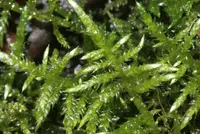
Horizontal Planting Technique

Press small, flat clumps firmly onto the surface rather than burying them, then cover lightly with plastic mesh or fishing line for 2–4 weeks to keep fronds in close contact until they root and spread.

Microclimate Shading

Use shade cloth or a perforated plastic lid 10–15 cm above outdoor or terrarium patches to buffer direct sun, sudden temperature spikes, and drying winds while still allowing diffuse light and airflow.

Gentle Debris Management

Remove fallen leaves, needles, and algae filaments with tweezers or a soft artist’s brush every few weeks so the fine shoots are not smothered and can photosynthesize efficiently.

Seasonal Moisture Adjustment

In temperate outdoor setups, allow only the surface to dry briefly in cool, low-light winter months but keep the substrate consistently damp in active growth periods to support stable, long-term growing cirriphyllum moss.

Common Pests and Diseases

Moss slugs

This pest feeds on tender moss shoots and rhizoids, leaving irregular grazing marks and thinning patches in dense cushions. Symptoms include ragged, whitish bite areas and scattered slime trails on and around the moss.

Solution

Reduce hiding places by removing nearby debris, then hand-pick slugs at dusk or early morning and trap them using shallow dishes of beer or yeast solution sunk at substrate level. In very affected outdoor beds, use iron phosphate slug baits placed around, not directly on, the moss and maintain slightly drier conditions at night without letting the substrate fully dry out.

Springtail overpopulation

These insects usually coexist harmlessly in moist moss carpets but can become problematic when populations explode in constantly wet, nutrient-enriched substrates. Symptoms include dense swarms of tiny white or gray jumping insects on the moss surface when disturbed.

Solution

Lower excess moisture by allowing the substrate surface to dry slightly between waterings and reduce added organic debris or fertilizers. For indoor trays or terrariums, improve ventilation, rinse the moss gently under soft water to dislodge insects, and, if necessary, use a mild insecticidal soap spray around but not soaking the colony, then flush with clean water after 15–20 minutes.

Green algae overgrowth

This disease-like overgrowth appears as slimy, bright green films that cover the moss and substrate under constant waterlogging and low airflow. Symptoms include dull, suffocated moss tips and reduced new shoot formation where algae are thickest.

Solution

Improve light and airflow, then reduce standing water so the surface remains moist but not submerged. Manually remove thick algal mats with a soft brush or tweezers, rinse the moss with rain or distilled water, and avoid nutrient-rich water sources that encourage algae while maintaining the cool, evenly moist conditions suitable for Cirriphyllum piliferum care.

Fungal leaf blight

This disease develops in overly shaded, stagnant, and constantly wet moss carpets, causing black or dark brown spots that spread along shoots and lead to dieback of patches. Symptoms include softened, collapsing stems and a patchy, burnt appearance on affected cushions.

Solution

Increase air circulation and slightly reduce watering frequency so the surface can drain between water inputs, without letting the moss dry out fully. Trim out and discard affected clumps, avoid overhead splashing from nutrient-rich water, and, in valuable collections or terrariums, apply a dilute, moss-safe fungicide as a spot treatment following label directions.

Desiccation stress

This problem occurs when moss is exposed to prolonged drying winds, direct sun, or artificial heating, leading to bleaching and brittle, brown shoot tips. Symptoms include loss of the characteristic soft, feathery texture and slow or absent recovery after rewetting.

Solution

Provide consistent ambient humidity and shade from direct sun, especially in exposed rock or log plantings and indoor displays. Rehydrate gradually with fine misting using soft water, protect the colony with surrounding groundcover or mulch in outdoor sites, and in containers or terrariums adjust the setup to keep humidity in the 60–90% range while allowing brief air exchange to prevent secondary fungal issues when trying to grow Cirriphyllum piliferum.

Interesting Facts

Hooked leaf tips

This moss is recognized by its narrow leaves that end in a fine, often hooked hair-point, which gives colonies a subtly rough texture under magnification.

Carpet-forming growth

It typically forms dense, creeping mats on soil, humus, and decaying wood in moist woodlands, helping to stabilize surface substrates and retain moisture in the forest floor microhabitat.

Indicator of humid woods

Its frequent occurrence on shaded, persistently damp forest substrates makes it a useful indicator of relatively stable, humid woodland conditions in parts of Europe and western Asia.

FAQs about cirriphyllum moss

This species spreads slowly to moderately by creeping stems and fragmentation. It usually forms soft mats rather than thick choking layers. In gardens or terrariums it is considered manageable and is unlikely to overrun surrounding plants if conditions are balanced.

Grow Healthy Plants with Botan Care

Keep your plants happy and healthy with plant identification, disease detection, and easy care guidance.

Botan plant care app — identify plants on mobile

Explore More Plants