


7 min read · 24 Aug 2026
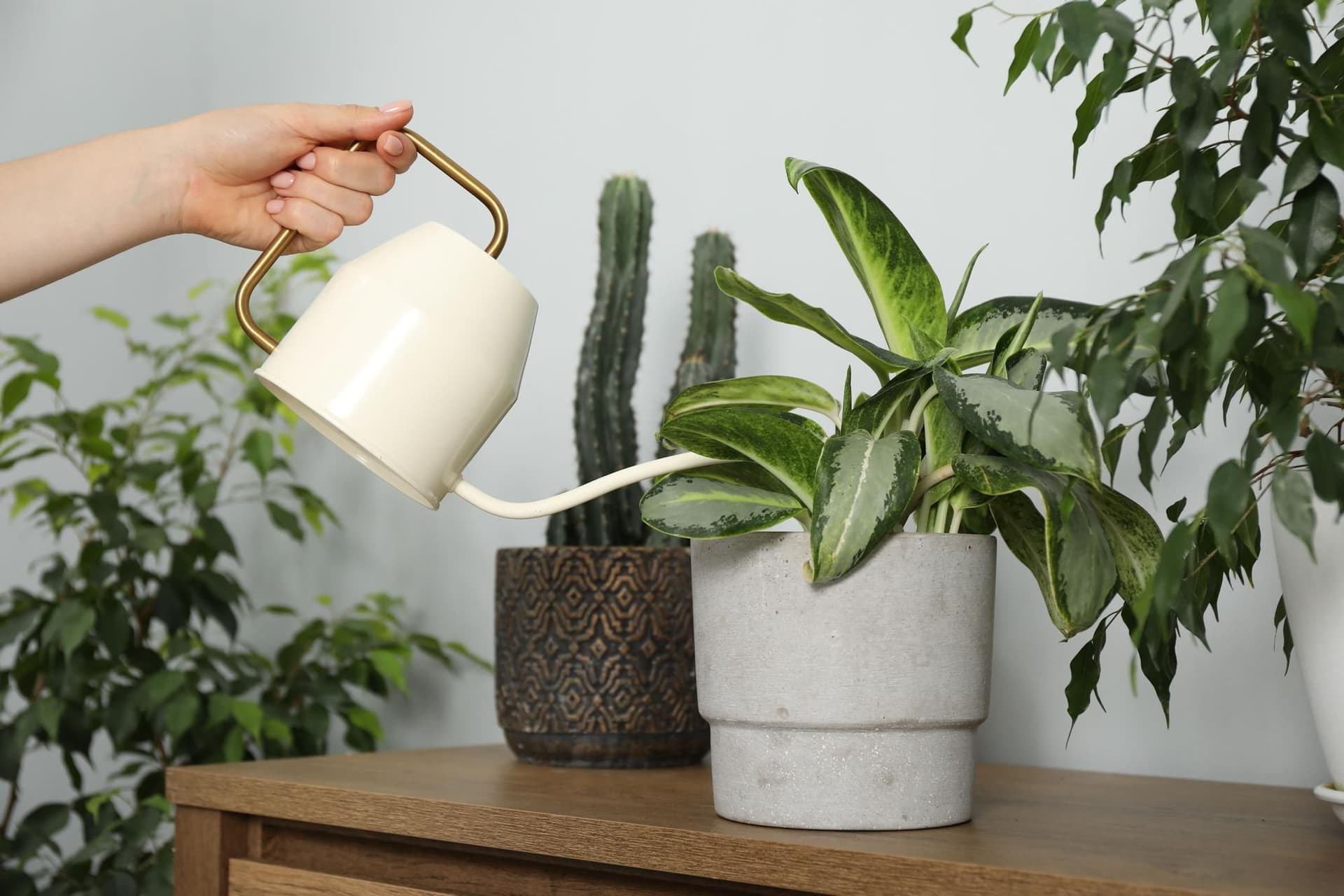
How to Water Houseplants: Watering Guide
Learn how often to water indoor plants, key factors for proper watering, and how to adjust the care routine by plant type, season, pot size, light, and indoor conditions.
Plant Care


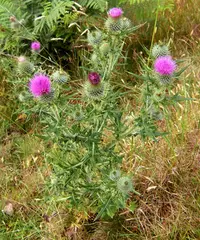
Recognize bull thistle by its deeply lobed leaves edged with long yellow spines and their whitish, hairy undersides.
It usually forms a single winged stem with spiny leaf bases, then carries rounded purple flower heads 1 to 2 inches (2.5 to 5 cm) wide, each wrapped in stiff, spine-tipped bracts.
Check your plant ID by uploading a clear photo to Botan.
Clear images work best. Avoid photos taken too close or too far away
Check the plant’s spiny leaves, winged stems, and large thistle heads.
The winged, heavily spined stem is one of the fastest checks.
Bull thistle shows clear visual shifts from a ground-level rosette to a branched flowering plant.
In spring, bull thistle is usually seen first as a low basal rosette of deeply lobed, very spiny leaves. By early to mid-summer, upright winged stems and large purple flower heads become obvious identification features. After flowering, the heads dry into fluffy seed clusters that stay visible for a time. By late fall and winter, the plant often remains as a dried, rigid, spiny stalk.
A few spiny thistles are often mistaken for bull thistle.
Scotch thistle(Onopordum acanthium)
Similar because both form large, spiny thistles with purple heads. Scotch thistle is usually larger, often 6 feet (1.8 m) or more, and its stems have broad, continuous spiny wings and a dense gray-white woolly coating.
musk thistle(Carduus nutans)
Similar because both have nodding purple thistle heads and spiny leaves. Musk thistle usually has fewer, larger flower heads that droop strongly, while Cirsium vulgare has smaller heads held more upright and leaves with rough upper surfaces.
Cirsium vulgare is native to Europe, western Asia, and northwestern Africa. It is most often found in disturbed, open places such as pastures, roadsides, waste ground, field edges, and rough grassland. That setting helps with identification because this thistle commonly appears in sunny, recently disturbed sites rather than shaded woodland or wetlands. Finding it in grazed ground or roadside vegetation can help narrow it from less weedy thistles tied to more specific habitats.
What Plant Is This?
Find out what plant you have and get specific care tips
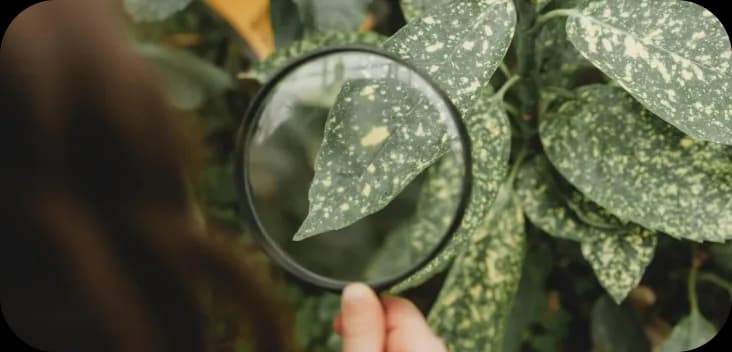
Use Botan to compare a photo and help confirm the plant, so it is easier to avoid mix-ups with similar species.
The clearest feature is the dense armament. Leaves are deeply lobed, dark green above, hairy underneath, and edged with long yellow spines. Stems also have broad, spiny wings, a strong clue in bull thistle identification.
Upload a photo to identify it, then get species-specific care information, safety notes, and common problems.

7 min read · 24 Aug 2026
Learn how often to water indoor plants, key factors for proper watering, and how to adjust the care routine by plant type, season, pot size, light, and indoor conditions.
7 min read · 6 Aug 2026
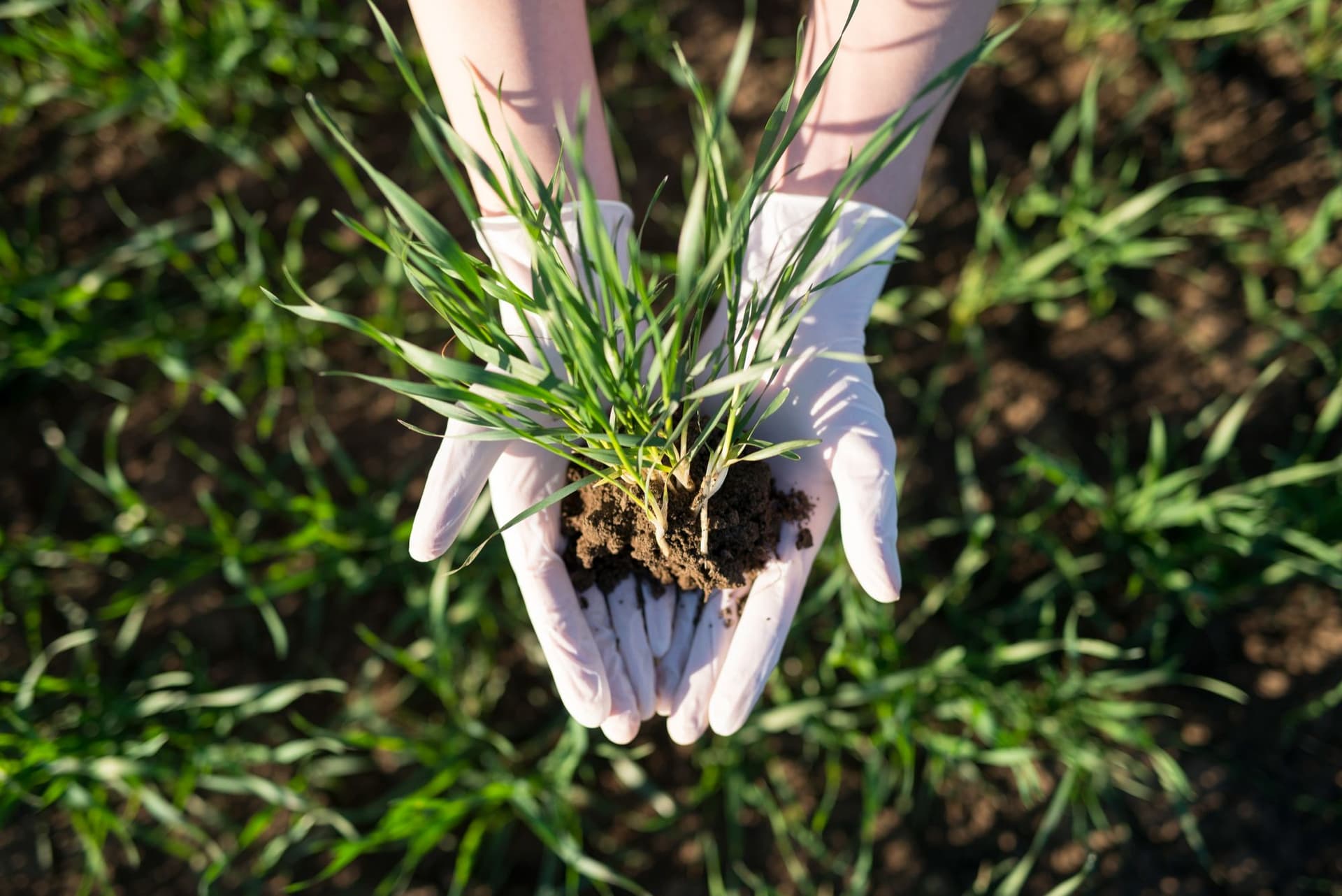
Summer seeding succeeds when the grass type suits the season, and the soil stays moist. Find out how to prepare the seedbed and choose a safe window for planting.

7 min read · 13 Aug 2026
Rainwater, filtered, distilled, and tap water affect plants differently. Learn which types support healthy growth and which cause slow damage. Match each to your plants and discover how to easily improve tap water quality.