Provide climbing support
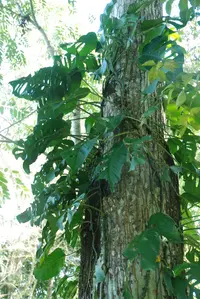
Install a small trellis, moss pole, or tension wires in the pot so vines can be tied loosely with soft garden ties, which keeps stems from tangling and improves light exposure along the whole plant.

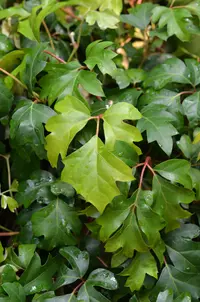
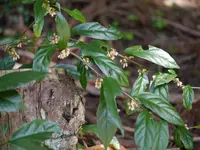
Grape ivy, Cissus alata, is a tropical evergreen vine grown mainly as a houseplant for its dense, glossy, grape-like leaves and trailing or climbing habit. It forms soft, flexible stems that can hang from baskets or be trained onto supports, giving a lush, green curtain effect indoors.
This species comes from Central and South American forests, where it naturally grows in dappled shade as an understory climber. It is considered relatively easy to grow, as it adapts to typical indoor conditions if extremes are avoided.
Grape ivy prefers bright, indirect light, moderate moisture, and a well-draining potting mix. Understanding how to care for grape ivy helps it stay compact, vigorous, and resistant to common indoor stress problems.

Care Difficulty
Moderate Care

Light Preference
Bright Indirect Light

Water Requirements
Moderate Water

Temperature Preference
Tropical / Frost Sensitive

Hardiness Zone
10–11

Soil Texture
Loamy, Sandy, Organic-rich

Soil pH
Acidic (5.5–6.5), Slightly acidic (6.5–7.0)

Soil Drainage
Moist but well-drained

Fertilization
Light (every 4–6 weeks)
Scan your plant to receive care tips personalized for your specific plant
Available on iOS and Android
This tropical climber grows best with bright, indirect light and some gentle direct sun.
This species prefers evenly moist but not saturated soil, with brief drying between waterings.
This vine thrives in warm, stable conditions typical of subtropical or indoor environments.
This species prefers moderately humid air but adapts to typical home conditions.
Cissus alata grows best in a loose, airy mix that drains quickly yet holds some moisture.
This vine is well suited to container growing when the pot supports its climbing habit and root system.
Cissus alata benefits from light, consistent feeding during active growth but does not need heavy fertilization.
Pruning Cissus alata helps manage size, encourage bushy growth, and keep vines healthy.
Container-grown grape ivy usually appreciates periodic repotting to refresh soil and manage root growth.
Cissus alata is commonly propagated from stem cuttings taken during its active growing season.
In most indoor settings Cissus alata needs only modest adjustments for winter, as it is not frost tolerant.

Plant Health Check
Not sure what's wrong with your plant? Check your plant's health inside the app.
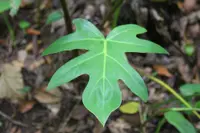
This species forms large, glossy, compound leaves with 3 distinct leaflets that are joined on a single petiole, giving a grape-like appearance despite not being a true grapevine in the genus Vitis.
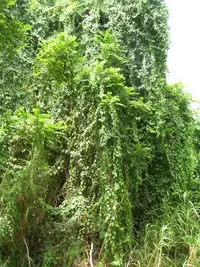
In its native tropical American habitats, it grows as a climbing liana that attaches by forked tendrils, using surrounding trees for support and forming part of the mid-story vegetation layer.
The relatively thin, broad leaflets and deep green pigmentation indicate adaptation to bright filtered light in forest understories rather than full, open sun, which helps explain many practical Cissus alata plant care requirements.

Cissus alata is believed to be one of the parent species involved in the origin of several ornamental hybrid grape ivy types commonly grown indoors, so many modern grape ivy houseplants actually trace part of their lineage back to this wild tropical liana.
Yellowing leaves usually indicate overwatering, poor drainage, or natural aging of older foliage. Check that the pot drains well, let the top soil layer dry slightly between waterings, and remove old yellow leaves to reduce stress.
Keep your plants happy and healthy with plant identification, disease detection, and easy care guidance.