Stabilize the caudex
Use a shallow, heavy pot and place a top dressing of coarse gravel around the swollen base to keep the plant stable and prevent the caudex from rocking and damaging new roots.

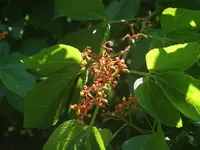
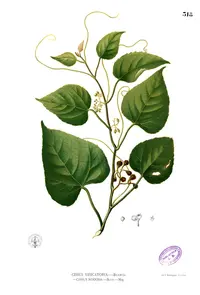
Cissus microcarpa is a succulent, caudiciform vine in the grape family, grown mainly for its swollen, woody base and delicate climbing stems. It is sometimes called a drought-tolerant grape relative because of this thickened water-storing trunk.
In habitat, it occurs in arid and semi-arid regions of Africa, where it survives strong sun, poor soils, and long dry periods. This background makes it relatively forgiving in cultivation if the soil drains very well and watering stays on the dry side.
Those who want to care for Cissus microcarpa should know it stays compact above the soil but can send out long, twining shoots that benefit from a support or regular trimming indoors.

Care Difficulty
Moderate Care

Light Preference
Partial Shade

Water Requirements
Moderate Water

Temperature Preference
Warm Climate

Hardiness Zone
10–11

Soil Texture
Sandy, Loamy, Rocky

Soil pH
Acidic (5.5–6.5), Slightly acidic (6.5–7.0)

Soil Drainage
Well-drained

Fertilization
Minimal (feed rarely)
Scan your plant to receive care tips personalized for your specific plant
Available on iOS and Android
This species prefers bright, indirect light with some gentle direct sun.
Watering should respect the plant’s drought-tolerant tuber and dislike of prolonged wet soil.
Stable warmth without frost exposure is important for reliable growth and tuber health.
This species handles typical indoor humidity but stays healthier with slightly raised moisture in the air.
This caudiciform vine prefers a fast-draining, airy mix that mimics gritty, rocky soils.
This species is well suited to container growing due to its compact caudex and manageable vine growth.
This drought-tolerant succulent vine grows acceptably in lean soil but responds to modest feeding in containers or poor ground.
Pruning helps keep Cissus microcarpa compact and encourages branching in containers or small spaces.
This species prefers a slightly tight pot and does not need frequent repotting.
New plants are most often raised from stem cuttings, with seed as a slower alternative.
In mild climates this plant tolerates brief cool spells but is not frost hardy and needs winter protection in colder areas.

Plant Health Check
Not sure what's wrong with your plant? Check your plant's health inside the app.
This species forms a swollen underground caudex that stores water and nutrients, allowing it to survive long dry periods in its native habitats of southern Africa.
The plant behaves as a deciduous climber, dropping its leaves and resting during dry or cool seasons, then quickly resprouting fine, tendrilled vines when conditions improve.
Although it looks like a succulent, it is a true member of the grape family (Vitaceae), producing small grape-like berries that follow its inconspicuous flowers.

In habitat, the underground caudex of this species can become so large and deeply buried that only a small portion is visible at the soil surface, making mature wild plants appear far smaller than their actual biomass.
Brown leaf edges usually result from low humidity, underwatering, or salt buildup from fertilizer. Check soil moisture, flush the pot occasionally, and keep the plant away from hot drafts or direct heater air to reduce stress.
Keep your plants happy and healthy with plant identification, disease detection, and easy care guidance.