Cistus atriplicifolius Care

About Cistus atriplicifolius

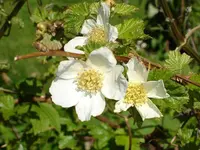
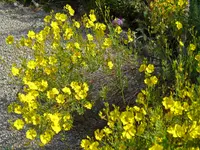
Cistus atriplicifolius is an evergreen shrub in the rockrose group, valued for its small, gray-green foliage and delicate, papery flowers. It forms a compact, bushy mound that suits dry, sunny borders and Mediterranean-style plantings.

This species is native to dry, rocky habitats around the Mediterranean basin, where it has adapted to poor, well-drained soils and long periods without rain. Its drought tolerance and modest nutrient needs make it relatively low-maintenance once established.

Gardeners who care for Cistus atriplicifolius should note that it prefers full sun, good air movement, and soil that does not stay wet, which helps maintain a healthy, long-lived plant.

Main Plant Requirements

Care Difficulty

Easy Care

Light Preference

Full Sun

Water Requirements

Low Water

Temperature Preference

Warm Climate

Hardiness Zone

8–10

Soil Texture

Sandy, Loamy, Rocky

Soil pH

Slightly acidic (6.5–7.0), Neutral (7.0)

Soil Drainage

Well-drained

Fertilization

Minimal (feed rarely)

Get Personalized Care Plan

Scan your plant to receive care tips personalized for your specific plant

Available on iOS and Android

How to Care for the Cistus atriplicifolius

This sun-loving Mediterranean shrub performs best with strong, direct light in the landscape.

  • Provide 6–8 hours of full sun daily; in cooler climates, all-day sun supports dense growth and abundant flowers.
  • In hotter regions, site Cistus atriplicifolius where it gets morning sun and light afternoon shade to reduce leaf scorch and moisture stress.
  • Avoid deep shade; fewer than 4 hours of sun leads to leggy, weak stems and sparse flowering, especially in spring and early summer.

This species prefers dry, well-drained conditions and is highly sensitive to excess moisture.

  • Allow the top 5–8 cm of soil to dry between waterings; established plants in the ground may need only occasional deep watering during extended drought.
  • Use sharply drained, gritty or sandy soil so water runs through quickly; avoid sites where water pools after rain.
  • Watch for overwatering signs such as yellowing leaves, soft stems, or dieback from the base; crisp leaf edges and drooping tips suggest prolonged drought stress.

This shrub thrives in warm, dry climates and does not tolerate prolonged hard frost.

  • Best growth occurs around 65–80°F (18–27°C), with warm, bright summers promoting compact, floriferous plants.
  • Mature plants may survive brief drops to about 15–20°F (-9 to -6°C), but repeated freezes or wet, cold soil greatly increase winter loss.
  • In regions with hot summers above 90°F (32°C), ensure soil drainage is excellent; light afternoon shade and mulch help limit root heat stress.

Humidity is rarely a concern for Cistus atriplicifolius, which is adapted to dry, airy conditions.

  • Performs best at 30–50% relative humidity, similar to dry indoor or outdoor air in many homes and gardens.
  • Tolerates very dry air without browning leaf tips, as long as roots are not waterlogged.
  • If leaves become soft and prone to fungal spotting, humidity is likely too high and airflow should be increased.

Cistus atriplicifolius prefers lean, mineral soils that drain very quickly and do not stay wet.

  • Use a sandy or gravelly mix with low organic matter, such as 50–60% coarse sand or grit blended with 40–50% loam-based compost.
  • Aim for slightly alkaline to neutral pH, roughly 7.0–8.0, avoiding strongly acidic mixes designed for ericaceous plants.
  • Improve aeration by adding sharp sand, horticultural grit, or small gravel rather than peat-heavy materials that hold water.
  • Avoid dense, clay-rich, or water-retentive potting mixes, which promote root rot and shorten plant life in Cistus atriplicifolius care instructions.

This species can be grown in containers if the pot and substrate are managed to stay very free-draining.

  • Choose a wide, relatively shallow container to match its fibrous, spreading root system and reduce the risk of water pockets at depth.
  • Opt for a porous material such as unglazed terracotta to allow faster evaporation and prevent prolonged root-zone moisture.
  • Add a substantial layer of coarse gravel at the base to improve stability for the woody, spreading canopy in windy positions.

This drought-adapted shrub needs only modest feeding on poor soils, so focus on light, infrequent nutrition rather than heavy fertilizer use for Cistus atriplicifolius.

  • In spring, apply a thin layer of compost around the root zone instead of high-nitrogen products.
  • Where growth is weak, use a balanced slow-release fertilizer (around 8-8-8 to 10-10-10) once in spring.
  • If using liquid feed, dilute to 1/2–1/4 strength and apply no more than monthly during active growth.
  • Stop feeding in late summer to avoid soft, frost-tender growth and do not fertilize in winter dormancy.

Light pruning keeps this shrub compact and flowering well without stressing its naturally tidy habit.

  • Prune just after main flowering, removing spent flowered stems by up to 1/3 of their length.
  • Cut out dead, diseased, or winter-damaged wood at the base using clean, sharp hand pruners.
  • Thin a few crowded interior shoots to improve air flow and maintain an open, rounded shape.
  • Avoid cutting into very old, bare wood, as Cistus atriplicifolius does not reshoot strongly from hard stubs.

This species is usually grown in the ground; focus on careful transplanting rather than frequent container repotting.

  • Transplant young plants in early spring or early fall when soil is workable and temperatures are mild.
  • Choose a sunny, very well-drained site and amend heavy soil with grit or coarse sand to prevent root rot.
  • Move plants only when necessary; check for circling roots in container-grown stock and gently tease them loose.
  • Water thoroughly after planting, then reduce watering as roots establish, keeping soil slightly moist but never saturated to limit stress.

New plants are most often raised from semi-ripe cuttings, with seeds as a slower alternative for Cistus atriplicifolius.

  • Take semi-ripe stem cuttings in late summer, 7–10 cm long, from non-flowering shoots.
  • Remove lower leaves, dip the base in rooting hormone, and place in a sharply drained, low-peat mix.
  • Maintain bright, indirect light, good air flow, and moderate moisture until roots form.
  • For seed, use fresh seed in a gritty mix, provide light, and keep cool to mildly warm for gradual germination.

This Mediterranean shrub is moderately frost tolerant but benefits from simple precautions in colder climates.

  • In mild coastal areas, established plants usually overwinter outdoors without additional protection.
  • In regions below about 10–15°F, site in a sheltered, south-facing spot with excellent drainage.
  • Apply a light, 3–5 cm gravel or bark mulch to insulate roots while keeping the crown free and dry.
  • Grow Cistus atriplicifolius in containers in very cold zones and move to a bright, frost-free place for winter.

Care Tips

Encourage Bushy Shape

Pinch back soft new shoots by 2–3 cm in late spring to keep the shrub compact and reduce the risk of branches snapping in strong wind.

Protect From Winter Wet

In regions with cold, wet winters, lay a strip of coarse grit or gravel around the base to keep the root collar slightly raised and improve drainage right where stem meets soil.

Minimal Disturbance

Avoid transplanting or heavy root disturbance once established, since this species resents being moved and often declines after major disruption.

Wind Exposure Management

Site the plant where it receives some wind but is not fully exposed to prevailing gales, which helps harden growth without causing breakage of its naturally brittle branches.

Low-Input Mulching

Use a very thin, open mineral mulch such as gravel or crushed stone instead of organic bark mulch to suppress weeds while keeping the crown dry, which is important when caring for Cistus atriplicifolius.

Common Pests and Diseases

Leaf spot fungus

This disease causes small brown to dark purple spots on leaves, often with a pale center, which can merge into larger blotches in humid conditions.

Solution

Remove and discard heavily spotted leaves to reduce spore spread, avoid overhead watering, and improve air movement around the shrub; in very wet climates a preventive copper-based fungicide can be applied in early spring according to label directions as part of broader Cistus atriplicifolius care instructions.

Botryosphaeria canker

This disease leads to dieback of individual twigs or branches, with sunken, dark cankers and sudden browning of foliage on affected stems.

Solution

Prune out dead or cankered wood well below the affected area during dry weather, disinfect pruning tools between cuts, and reduce plant stress by ensuring sharp drainage and avoiding excess fertilizer that encourages weak, susceptible growth.

Scale insects

These insects appear as small, rounded or oval bumps on stems and leaf midribs, often causing yellowing, reduced vigor, and sticky honeydew that can encourage sooty mold growth.

Solution

Prune out heavily infested stems, gently scrape or wipe off visible scales with an alcohol-dampened cloth, and use horticultural oil sprays during the growing season to smother remaining juveniles, repeating as needed according to product instructions.

Aphids

These insects cluster on new shoots and flower stems, sucking sap and causing distorted growth, sticky honeydew, and sometimes leaf curling on young Cistus foliage.

Solution

Wash colonies off with a strong stream of water, encourage natural predators such as lady beetles, and if populations remain high, apply an insecticidal soap or light horticultural oil, ensuring thorough coverage of shoot tips and leaf undersides.

Spider mites

This pest thrives in hot, dry conditions, causing fine stippling on leaves, dull or bronzed foliage, and sometimes fine webbing between leaves and stems.

Solution

Increase humidity around the plant canopy with occasional hose spraying, regularly rinse leaf surfaces to dislodge mites, and if damage progresses, use a labeled miticide or insecticidal soap, rotating products if repeat treatments are required.

Interesting Facts

Endemic Iberian shrub

This species is naturally restricted to the western Iberian Peninsula, mainly in Portugal and adjacent parts of Spain, where it grows on dry, sunny slopes and open scrub.

Grey saltbush foliage

Its leaves resemble those of saltbushes (genus Atriplex), with a grey‑green, somewhat mealy surface that reduces water loss and reflects intense sunlight in its Mediterranean habitat.

Fire‑adapted seed strategy

Like many rockroses, it shows adaptation to fire-prone ecosystems: seeds germinate best after exposure to heat or smoke, allowing populations to regenerate rapidly after wildfires.

FAQs about Cistus atriplicifolius

This shrub is moderately fast-growing, often reaching close to mature size in 3–5 years under good conditions. In poor, dry soils it still establishes, but height and spread increase more slowly over time.

Grow Healthy Plants with Botan Care

Keep your plants happy and healthy with plant identification, disease detection, and easy care guidance.

Botan plant care app — identify plants on mobile

Explore More Plants