cup lichen Care (Cladonia bellidiflora)

Also known as: Toy Soldiers
cup lichen

About cup lichen

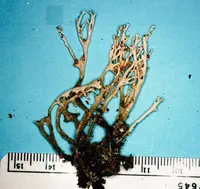
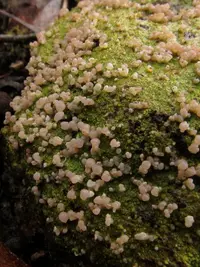
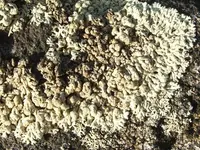
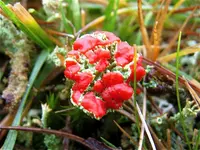
Cup lichen, Cladonia bellidiflora, is a small, slow-growing lichen rather than a true plant. It forms tiny cup-shaped structures on thin stalks with often bright red tips. These colonies create low, intricate carpets on rocks, soil, rotting wood, and open ground.

It naturally occurs in cool, temperate regions, especially in heathlands, conifer forests, and rocky outcrops with clean air. Growth is generally slow and it is sensitive to disturbance and pollution, which makes it more challenging to maintain in typical gardens.

Those who want to learn how to care for cup lichen should know it prefers stable moisture, very well-drained, nutrient-poor substrates, and gentle, filtered light rather than intense, direct sun.

Main Plant Requirements

Care Difficulty

Hard Care

Light Preference

Partial Shade

Water Requirements

Low Water

Temperature Preference

Cold Hardy

Hardiness Zone

2–7

Soil Texture

Sandy, Rocky, Peaty

Soil pH

Strongly acidic (4.5–5.5)

Soil Drainage

Well-drained

Fertilization

Minimal (feed rarely)

Get Personalized Care Plan

Scan your plant to receive care tips personalized for your specific plant

Available on iOS and Android

How to Care for the cup lichen

This lichen prefers cool, bright conditions with gentle, filtered sunlight rather than strong direct exposure.

  • Provide 2–4 hours of soft morning sun or bright, dappled shade; avoid harsh midday summer sun that can desiccate and bleach cup lichen.
  • Site it on rocks, logs, or poor, well-drained soil where surrounding vegetation does not cast deep, continuous shade.
  • In hotter regions, increase shade in late spring–summer, while in cooler, cloudy climates it can tolerate more open exposure.

This lichen is adapted to natural wet–dry cycles and is more sensitive to excess moisture than to brief dryness.

  • Allow the substrate surface to dry completely between waterings; lichen should feel dry and papery before rewetting.
  • Use sharply drained, sandy or rocky material so water runs through quickly and does not pool around the thallus of Cladonia bellidiflora.
  • Reduce watering in cool or overcast periods and watch for signs of stress: limp, dark, slimy patches suggest overwatering, while prolonged brittleness and fading suggest extended drought.

This species tolerates a wide temperature range but grows best in cool to mild conditions.

  • Optimal growth occurs around 45–65°F (7–18°C), especially in consistently cool, moist air with good air movement.
  • It withstands winter cold well, often down to at least 5–14°F (-15 to -10°C), provided the substrate is free-draining and not ice-logged.
  • Heat tolerance is limited; prolonged exposure above 80–85°F (27–29°C) slows growth, so provide shade and extra humidity during hot, dry spells.

This lichen prefers consistently cool, moist air but tolerates brief drying.

  • Aim for 60–90% humidity, mimicking damp rock or soil surfaces in its natural habitat.
  • Tolerates short periods of 40–50% humidity, but prolonged dry indoor air causes fading color and brittle podetia.
  • If air is dry, place the culture in a vented terrarium, mist lightly, or keep near a humidity tray without soaking the thallus.

This species anchors to mineral or organic substrates and needs a very lean, sharply draining base.

  • Use a mix of 60–80% mineral material (sand, fine gravel, pumice) with 20–40% low-nutrient, well-aged leaf litter or peat.
  • Maintain excellent drainage; the substrate should wet through quickly and then dry at the surface within a few hours.
  • Keep pH slightly acidic, roughly 4.5–6.0, avoiding limed or strongly alkaline media that slow growth.
  • Avoid rich composts, fertilizers, and compacted or waterlogged soil, which damage Cladonia bellidiflora and favor competing mosses and algae.

This lichen is suitable for shallow container culture if drainage and stability are carefully managed.

  • Choose wide, shallow trays so the crustose base can spread without deep, moisture-holding substrate.
  • Use unglazed clay or other porous materials to let the thin substrate dry between mistings and prevent chronic dampness.
  • Elevate the container and keep drainage holes fully clear so any excess water runs off within minutes after watering.

Cladonia bellidiflora grows best in nutrient-poor, well-drained substrates and usually does not need fertilization.

Pruning Cladonia bellidiflora is minimal and mainly about tidying rather than shaping growth.

  • Carry out light grooming in late winter or early spring, when the lichen is cool and moist but not frozen.
  • Gently remove loose, dead, or crumbling podetia, lifting them off the substrate by hand or with soft tweezers.
  • Avoid cutting healthy structures; heavy removal disturbs the colony and slows natural spread.
  • Keep tools, if used, very clean and fine-tipped to avoid crushing the delicate thallus.

Cup lichen is usually grown on rocks, bark, or shallow trays and is rarely repotted in the conventional sense.

  • Transplant only when the substrate breaks down, becomes waterlogged, or you need a more stable display surface.
  • Best timing is cool, moist weather in spring or early fall to limit desiccation stress.
  • Lift patches gently with a thin spatula, keeping as much attached substrate as possible under the colony.
  • Set onto the new, similarly poor and well-drained substrate, press lightly, then mist to settle without waterlogging.

Cladonia bellidiflora is slow-growing and mainly propagated by division of existing colonies rather than from spores at home.

  • Best season is cool, moist spring or early fall, avoiding heat waves and hard frosts.
  • Gently break or cut small clumps with attached substrate from a healthy colony, keeping structures intact.
  • Place fragments on a similar, low-nutrient, sharply drained surface such as rock, sandy grit, or old bark.
  • Keep in bright, indirect light with intermittent moisture; allow surfaces to dry slightly between mistings to prevent rot.

This lichen is naturally cold hardy and usually needs no special winter care outdoors in temperate climates.

  • Tolerates freezing and thawing as long as the substrate drains freely and does not stay saturated.
  • For container displays, use shallow, free-draining media and ensure excess water can run off in winter rain or snow.
  • If growing cup lichen indoors, keep it in a cool, bright spot away from heating vents to avoid extreme drying.

Care Tips

Substrate anchoring

Press small, rough stones or crushed lava rock gently over the lichen base so the podetia stay anchored and stable in wind or when the container is moved.

Minimal disturbance

Place trays or rocks with established colonies where they will not be brushed, handled, or repotted frequently, since physical disturbance easily breaks the delicate podetia and slows recovery.

Salt and spray control

Keep specimens away from road salt, de-icers, and chlorinated sprinkler overspray, as these dissolved salts can burn tissue and gradually kill colonies on outdoor displays.

Companion spacing

If combined with mosses or tiny alpine plants, leave bare mineral gaps of 1–2 cm around each lichen patch to reduce competition for space and allow slow lateral spread.

Seasonal moisture check

In hot, dry spells, briefly mist early in the morning on 1–2 days after a rainfall event to mimic natural moisture pulses, but allow surfaces to dry completely by evening to avoid prolonged wetness when growing cup lichen.

Common Pests and Diseases

Sulfur dioxide injury

Symptoms include bleaching, browning, or death of lichen cups and squamules after exposure to polluted air rich in sulfur dioxide. This issue is common near industrial areas, busy roads, or coal-burning sources.

Solution

Reduce exposure by moving collected material far from pollution sources and avoiding placement near vehicle exhaust, chimneys, or industrial emissions; this is a key part of practical cup lichen care instructions. For outdoor populations, protection mainly relies on broader air-quality management, so avoid collecting from or trying to establish Cladonia bellidiflora in heavily polluted sites.

Nitrogen pollution stress

This disease-like stress appears as excessive algal growth, dull or darkened color, and dieback of cups in areas with high nitrogen deposition from fertilizers, animal waste, or traffic. Growth can become irregular and the lichen may be replaced over time by more nitrophilous species that tolerate higher nitrogen levels.

Solution

Manage nearby nutrient sources by reducing fertilizer drift, limiting pet or livestock waste around lichen patches, and avoiding installation of this species immediately adjacent to fertilized lawns or beds. Over time, maintaining low-nutrient, well-drained, undisturbed substrates offers the best chance for stable, healthy colonies.

Desiccation damage

Symptoms include brittle, fragmented thalli and cups that break easily after repeated rapid drying cycles, especially on very exposed, sun-baked substrates. This stress is natural to some extent but becomes damaging when prolonged drought and high heat coincide.

Solution

For cultivated or display material, place the lichen where it receives bright light but is sheltered from extreme midday sun and hot, drying winds. Mist lightly during extended dry periods without soaking the substrate, allowing surfaces to dry between light rehydration events to mimic natural moisture pulses.

Overgrowth by mosses

This problem develops as fast-growing mosses encroach and physically overtop the lichen, leading to shading, moisture retention around the cups, and gradual decline of the Cladonia colony. Symptoms include thinning of lichen cushions and visible dominance of moss in the same patch.

Solution

Carefully tease or trim back mosses using tweezers or small scissors, taking care not to pull up the lichen holdfasts. Maintain a slightly drier, low-nutrient substrate and avoid heavy organic mulches so that mosses are less competitive and the lichen can re-expand.

Fungal overgrowth (lichenicolous fungi)

This disease is caused by specialized fungi that grow on the lichen, forming dark spots, patches, or localized deformation of cups and squamules. Severe infections can reduce photosynthetic area and slowly weaken the colony.

Solution

In small cultivated patches, remove heavily affected fragments with clean tweezers and discard them, keeping only healthy pieces. Improve air movement, reduce prolonged wetness, and avoid nutrient enrichment, as stable, low-nutrient, well-ventilated conditions tend to limit aggressive secondary fungal overgrowth.

Interesting Facts

Red fruiting cups

This species develops bright red apothecia, the small fruiting bodies where sexual spores are produced, which sit atop pale green, matchstick-like stalks and make the lichen easy to recognize in the field.

Preference for acidic bark

It is most often found on the bark of conifers and other trees with acidic surfaces, especially in cool, moist forests of temperate regions.

Indicator of clean air

This lichen is sensitive to air pollution and is usually absent from areas with heavy industrial emissions, so its presence often indicates relatively clean atmospheric conditions.

Botan icon

Did you know?

Molecular studies have shown that what was once treated as a single widespread taxon has close relatives with similarly red apothecia, and careful DNA and microscopic work has been needed to clarify exactly which specimens belong to this distinct species.

FAQs about cup lichen

This species grows very slowly, often only 1–3 mm per year under natural conditions. Growth depends on clean air, stable moisture, and low physical disturbance. Patience is essential when growing cup lichen in gardens or containers.

Grow Healthy Plants with Botan Care

Keep your plants happy and healthy with plant identification, disease detection, and easy care guidance.

Botan plant care app — identify plants on mobile

Explore More Plants