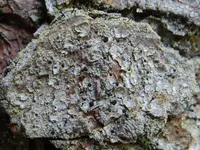
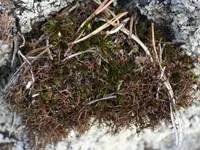
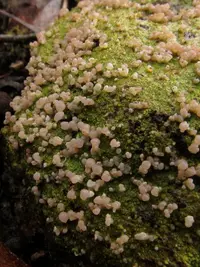
cup lichen Care (Cladonia cenotea)

Also known as: Powdered Funnel Lichen
cup lichen

About cup lichen

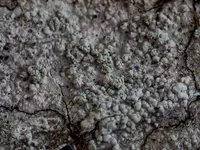
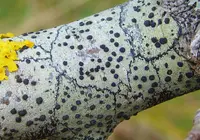
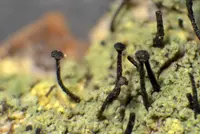
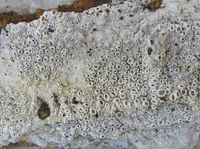
Cup lichen (Cladonia cenotea) is a small, slow-growing lichen, not a true plant, formed by a partnership between a fungus and algae. It typically develops tiny stalks with cup-shaped tips in pale green to gray tones, often forming patchy carpets. In nature it grows on acidic, nutrient-poor substrates such as sandy soil, rotting wood, and exposed rock, especially in cool, moist forests and heathlands. This species is adapted to low nutrients and irregular moisture, which makes it tolerant of neglect but sensitive to physical damage and air pollution. Anyone learning how to care for cup lichen should aim to provide bright, indirect light, good air circulation, and consistently cool, slightly moist conditions without waterlogging.

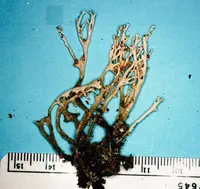
Main Plant Requirements

Care Difficulty

Hard Care

Light Preference

Partial Shade

Water Requirements

Low Water

Temperature Preference

Cold Hardy

Hardiness Zone

2–7

Soil Texture

Sandy, Rocky, Peaty

Soil pH

Strongly acidic (4.5–5.5), Acidic (5.5–6.5)

Soil Drainage

Well-drained

Fertilization

Minimal (feed rarely)

Get Personalized Care Plan

Scan your plant to receive care tips personalized for your specific plant

Available on iOS and Android

How to Care for the cup lichen

This lichen prefers cool, open sites with soft, indirect light rather than strong, direct sun.

  • Aim for bright, indirect light or dappled shade, with at most 2–3 hours of gentle morning sun and no harsh afternoon sun exposure.
  • Cup lichen tolerates partial shade under sparse shrubs or open woodland, but dense shade reduces growth and dulls color over time.
  • In hot summers, shield from reflective surfaces and prolonged sun to prevent bleaching and drying; in winter, more open light is acceptable when sun intensity is lower.

Cladonia cenotea relies mostly on natural rainfall and atmospheric moisture and is sensitive to standing water.

  • Allow the substrate surface to dry fully between wetting; the lichen should feel dry and slightly brittle before rehydration, then soften within minutes after moisture returns.
  • Use a sharply draining, sandy or rocky substrate so water runs through quickly and does not pool around the thallus, which increases rot risk.
  • In warm, dry spells, brief misting or light sprinkling every few days is enough; if it stays limp, pale, or crumbly, conditions are too dry, but dark, mushy tissue indicates overwatering.

This lichen is cold hardy but has a defined comfort range for steady growth.

  • Optimal growth occurs around 45–70°F (7–21°C), typical of cool, moist climates with good air movement and moderate humidity.
  • Cladonia cenotea tolerates freezes down to about 5–15°F (-15 to -9°C) when naturally acclimated, but rapid freeze–thaw cycles can damage tissue.
  • It endures short heat up to about 80–85°F (27–29°C) if shaded and not allowed to dry out completely, but prolonged higher temperatures reduce vigor and may cause dieback.

This lichen prefers consistently moist, humid air and declines in prolonged dryness.

  • Aim for 60–90% humidity by placing it outdoors in naturally damp, sheltered spots.
  • Dry air causes bleaching, brittleness, and crumbling tips in cup lichen.
  • Raise humidity by using nearby water features, misting in early morning, or positioning above moist, but not waterlogged, substrates.

This species grows best on very lean, well-drained, acidic substrates rather than conventional potting soil.

  • Use a mix of 60–80% sharp sand or fine grit with 20–40% low-nutrient acidic material like peat, fine bark, or decomposed conifer needles.
  • Maintain very fast drainage so the surface dries quickly after rain or watering, mimicking exposed rock or sandy soil.
  • Keep pH on the acidic side, roughly 4.0–6.0, since Cladonia cenotea is adapted to nutrient-poor, acidic habitats.
  • Avoid rich composts, manures, or clay-heavy mixes, which trap moisture, add excess nutrients, and suppress lichen growth.

This species can be grown in shallow containers if they replicate exposed, quickly draining natural substrates.

  • Choose a wide, shallow tray with multiple drainage holes to keep the substrate thin and fast-drying.
  • Use a heavy or low-profile container to prevent tipping, since the dry substrate and crusty growth can be light and easily disturbed.
  • Elevate the pot slightly on feet or mesh so drainage holes stay clear and water runs off immediately after rain or irrigation.

This lichen relies on nutrient-poor conditions and usually needs no fertilizer in cultivation.

Cladonia cenotea needs almost no pruning, only light tidying to maintain appearance and prevent rot.

  • Inspect once or twice a year and remove any dead, decaying, or moldy patches by hand.
  • Gently lift away loose debris and crowded tufts without tearing healthy structures from the substrate.
  • Use soft tweezers or gloved fingers rather than blades to avoid crushing the fragile thalli.
  • After cleaning, keep the colony dry and well-ventilated to minimize fungal problems and encourage stable growth.

This species is usually grown on bark, rocks, or soil surfaces rather than in traditional pots, so disturbance should be minimal.

  • Transplant only if the substrate is breaking down, waterlogged, or contaminated with algae or mold.
  • Best timing is in cool, moist weather, avoiding heat waves or very dry periods to lower stress.
  • Lift small clumps with their underlying substrate intact, then place onto a similar, low-nutrient, well-drained base.
  • Handle sparingly, keep the colony at the same light and moisture level, and allow time for natural reattachment.

Cladonia cenotea is slow and not straightforward to propagate, so attempts are usually limited to enthusiasts.

  • Division of small clumps with attached substrate is the most practical method for how to take care of cup lichen in cultivation.
  • Carry out division in cool, humid conditions, spreading pieces thinly over similar, low-nutrient surfaces.
  • Avoid burying the lichen; simply press fragments gently onto the new substrate and mist lightly.
  • Maintain bright, indirect light, high air humidity, and very gentle airflow while the colony establishes.

This lichen is naturally cold hardy and usually needs no special winter care outdoors.

  • In exposed sites, avoid physical disturbance from snow clearing or heavy foot traffic over colonies.
  • Container displays can stay outside in most temperate climates; move under shelter only from severe freeze–thaw cycles.
  • Ensure the substrate drains well so colonies do not sit in ice-locked water for long periods.

Care Tips

Rocky substrate layering

Place the thalli on a shallow tray or rock garden built with a base of coarse gravel, a thin layer of low-organic mineral grit, and only a dusting of acidic, sandy soil to mimic its natural rocky habitat and prevent organic buildup.

Good air exchange

Keep the lichen in a location with gentle but constant air movement, such as near (not in) an open window or a low-speed fan, to reduce stagnant moisture films that encourage algae overgrowth and rot.

Rainwater mist cycles

Use collected rainwater or low-mineral water to lightly mist and then allow the colony to dry fully between cycles, which better matches natural wet-dry rhythms and maintains lichen health over time when growing cup lichen.

Avoid nutrient drift

Position the colony away from fertilized lawns, heavy mulch, or potted plants that receive regular fertilizer, since nutrient-rich dust and splashes can favor competing mosses or algae and slowly smother the lichen.

Gentle colony expansion

To propagate, carefully break off small, healthy sections and press them lightly onto new rock or bark pieces without burying them, then keep them stable and undisturbed for many months so the holdfasts can slowly attach.

Common Pests and Diseases

Air pollution damage

Symptoms include fading or bleaching of thalli, reduced growth, and local dieback on the exposed side of the lichen. This issue appears most often near roads, industrial zones, or urban areas with elevated sulfur dioxide, nitrogen oxides, or ozone levels.

Solution

Reduce exposure by keeping collected material or displays in cleaner air, away from vehicle exhaust, smoke, and chemical fumes, and avoid placing cup lichen near gas heaters, freshly painted surfaces, or strong household cleaners. For outdoor populations, protection mainly involves choosing low‑pollution sites for any conservation or relocation efforts and avoiding activities that increase local emissions.

Nutrient enrichment

Symptoms include unusually fast, coarse growth followed by thinning, color changes, or overgrowth by mosses and algae. This condition is often linked to fertilizer drift, pet urine, or agricultural runoff that increases nitrogen on the substrate.

Solution

Limit exposure to fertilizers, lawn treatments, and compost leachate by keeping lichen substrates away from treated grass, garden beds, or agricultural fields. If growing Cladonia cenotea on display pieces, avoid any fertilization, rinse substrates gently with clean rainwater or distilled water if contamination is suspected, and maintain the naturally nutrient‑poor conditions this species prefers.

Moss overgrowth

Symptoms include cups and podetia gradually being shaded, crowded, and finally smothered by encroaching moss on soil, rock, or wood surfaces. This competition increases in moist, nutrient‑enriched, or shaded conditions.

Solution

Manually trim or peel back excess moss around the lichen using fingers or blunt tweezers, taking care not to break the fragile cups. Adjust the microhabitat by slightly increasing light and improving drainage so conditions remain cool and moist but not constantly wet, which gives the lichen a competitive advantage over mosses.

Lichen‑feeding mites

This pest creates tiny pits, roughened surfaces, and irregular patches of dead or bleached tissue on the podetia and cups. These mites thrive in very humid, stagnant microhabitats and in stored lichen samples.

Solution

Inspect material with a hand lens, then gently brush or blow loose mites away and discard heavily damaged fragments. Improve air circulation, allow short dry‑down periods between misting, and, for stored or decorative specimens, keep them cool, dry, and well ventilated so mites are less able to reproduce.

Fungal overgrowth

This disease shows as localized dark spots, fuzzy or crusty patches, or rapid softening and decay of thallus tissue that does not match the normal lichen pattern. It often follows prolonged saturation, poor airflow, or mechanical damage that opens the structure to opportunistic fungi.

Solution

Remove and discard affected fragments, then allow the remaining lichen to dry thoroughly between wetting cycles and avoid constant misting or standing water on the cups. Improve airflow, reduce crowding on the substrate, and if kept in a display case, open it regularly to prevent stagnant, overly humid air that favors secondary fungal colonization.

Interesting Facts

Boreal forest specialist

This species occurs mainly on mossy or decaying wood in boreal and cool-temperate conifer forests, especially in regions with clean, humid air and stable shade.

Tiny cup structures

It forms very small, slender podetia with inconspicuous cup-like tips that often carry granular soredia, a powdery reproductive material composed of fungal and algal cells together.

Acid-tolerant colonizer

It is frequently found on acidic substrates such as decaying conifer logs and peat-rich forest floors, acting as an early colonizer that helps stabilize and enrich moist, decomposing surfaces.

FAQs about cup lichen

Growth is very slow. Under good outdoor conditions, thalli may extend only a few millimeters per year. Disturbance, air pollution, or prolonged dryness can slow growth further, so patience is essential when growing cup lichen in gardens or containers.

Grow Healthy Plants with Botan Care

Keep your plants happy and healthy with plant identification, disease detection, and easy care guidance.

Botan plant care app — identify plants on mobile

Explore More Plants