lecidella lichen Care (Lecidella elaeochroma)

lecidella lichen

About lecidella lichen

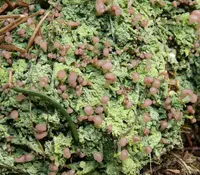
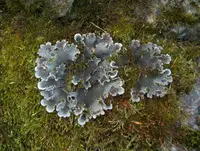
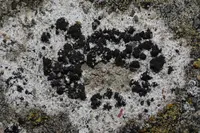
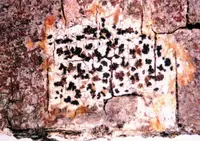
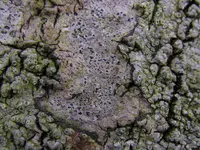
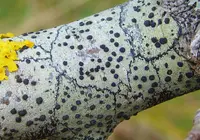
Lecidella elaeochroma is a crustose lichen, not a true plant, formed by a partnership between a fungus and photosynthetic algae. It grows tightly attached to bark, wood, or stone, forming thin, patchy crusts.

In nature it is common across temperate regions, especially on tree trunks and branches in parks, gardens, and forests. It tolerates a wide range of moisture and light conditions, which makes it relatively adaptable and easier to maintain if you want to care for lecidella lichen in a controlled setting.

This lichen prefers stable, undisturbed surfaces and clean to moderately clean air. It generally does best with consistent, gentle moisture and good indirect light rather than harsh, drying exposure.

Main Plant Requirements

Care Difficulty

Moderate Care

Light Preference

Partial Shade

Water Requirements

Low Water

Temperature Preference

Cold Hardy

Hardiness Zone

Unknown

Soil Texture

Rocky, Loamy

Soil pH

Acidic (5.5–6.5), Slightly acidic (6.5–7.0)

Soil Drainage

Well-drained

Fertilization

Minimal (feed rarely)

Get Personalized Care Plan

Scan your plant to receive care tips personalized for your specific plant

Available on iOS and Android

How to Care for the lecidella lichen

This crustose lichen prefers cool, stable light rather than intense direct sun.

  • Aim for bright, indirect light with 2–4 hours of gentle morning sun and shaded or dappled light for the rest of the day.
  • Tolerates partial to deep shade, but growth of lecidella lichen slows and color may dull if light stays very low for long periods.
  • Avoid strong midday and afternoon sun, which can overheat rock or bark surfaces and cause bleaching or drying, especially in summer.

Lecidella elaeochroma relies on ambient moisture rather than direct watering in most outdoor settings.

  • Favors sites with frequent dew, fog, or light rain; avoid positions that stay bone-dry and wind-exposed for many days in a row.
  • Do not soak or mist heavily every day; prolonged surface wetness without airflow can encourage algae films and other competing organisms.
  • If growing on stone or bark in a controlled setting, lightly mist when surfaces are fully dry and brittle, then allow complete drying before the next misting.

This lichen is broadly cold-hardy and tolerates a wide temperature range when moisture is available.

  • Optimal activity often occurs in cool, moist conditions around 40–60°F (4–16°C), especially during damp seasons such as fall and spring.
  • Survives winter cold well, tolerating drops below 14°F (-10°C) when dry, though metabolic activity slows or pauses in freezing conditions.
  • Handles summer heat up to about 86–95°F (30–35°C) if shaded and not desiccated; prolonged hot, dry periods can cause surface cracking and dormancy.

This crustose lichen tolerates a wide humidity range but benefits from moderately moist air.

  • Aim for 50–80% humidity, avoiding extremely dry, heated indoor air for long periods.
  • Dry air stress shows as brittle, chalky thalli that stop expanding and may flake from the substrate.
  • Increase local humidity by misting nearby surfaces lightly, placing shallow water trays below (not touching), or growing lecidella lichen outdoors in sheltered, humid microclimates.

Lecidella elaeochroma grows on bark, wood, or rock rather than in true soil, so focus on providing a firm, stable, well-aerated surface.

  • Use untreated bark slabs, weathered wood, or low-porosity rock (e.g., granite, dense sandstone) with a slightly rough texture for secure attachment.
  • Maintain very fast drainage so water does not pool around the lichen; any supporting tray or bed must dry quickly after watering or rain.
  • Keep the surface slightly acidic to neutral (about pH 5.0–7.0); avoid lime-rich concrete or fresh mortar, which can be too alkaline.
  • Do not bury the lichen in substrate or pack organic material around it; excess organic buildup encourages algae and moss that outcompete the lichen.

This species can be kept in containers only as mounted pieces of bark, wood, or stone rather than as a rooted plant in potting mix.

  • Place the lichen-bearing slab or stone in a shallow, heavy container that prevents tipping but allows free air movement around all sides.
  • Elevate the substrate piece slightly on small stones or mesh so water drains away rapidly and does not collect beneath the thallus.
  • Choose a breathable container material such as unglazed clay or mesh frames to reduce prolonged surface wetness and overheating around the mount.

This crustose lichen grows on bark and rock and does not require routine fertilization in cultivation or natural settings.

Lecidella elaeochroma does not need intentional pruning, since lichen thalli grow slowly and balance themselves on their substrate.

Lecidella elaeochroma is usually left on its original bark or rock substrate, so transplanting is uncommon and should be minimal.

  • If moving a host branch or stone, keep the lichen-covered surface intact and avoid scraping or brushing the thallus.
  • Transplant only during mild, moist weather to limit desiccation stress after relocation.
  • Handle the substrate piece rather than the lichen itself, supporting it carefully to avoid cracking or flaking.
  • After placement, mist lightly with non-chlorinated water and keep in stable light and humidity until reattached.

Intentional propagation of Lecidella elaeochroma is slow and technically challenging, so it is rarely attempted outside research contexts.

This lichen is naturally cold hardy and normally requires no special winter care in outdoor conditions.

Care Tips

Choose stable substrates

Attach thalli only to long-lasting, chemically inert surfaces such as unpainted stone, old concrete, or untreated hardwood, since Lecidella elaeochroma colonizes slowly and needs a substrate that will not flake, rot, or be replaced soon.

Limit surface cleaning

Avoid scrubbing, pressure-washing, or using biocides on areas where the lichen is establishing, and instead confine cleaning to adjacent zones so the slow-growing crust is not mechanically removed.

Control competing growth

Gently remove moss, algae films, or encroaching vascular plants from the same surface with a soft brush so they do not trap excessive moisture or shade that can suppress the lichen.

Maintain open airflow

Site colonized substrates where air can move freely around them, away from dense hedges or walls, because steady airflow helps surfaces dry between rains and favors stable lichen communities.

Monitor pollution exposure

If possible, place candidate substrates away from heavy traffic, chimney outlets, or frequent de-icing salt spray, since reducing pollutants and salts improves long-term survival when growing lecidella lichen on built structures.

Common Pests and Diseases

Air pollution sensitivity

Symptoms include bleaching, yellowing, or death of lichen patches on bark in areas with high air pollution, especially sulfur dioxide and nitrogen oxides. This problem reflects the lichen’s sensitivity to poor air quality rather than an infection by a living organism.

Solution

Reduce exposure by avoiding collection or placement of bark substrates near busy roads, industrial zones, or chimney outlets, and favor sites with cleaner air and good air circulation. If used in educational displays, explain that decline usually indicates poor air quality rather than incorrect Lecidella elaeochroma care instructions, and consider relocating material to a less polluted environment if legal and ethical collection rules allow it.

Bark algae overgrowth

This disease-like condition appears as green, slimy or powdery films that spread over the bark surface and can physically overgrow and shade lichen thalli. This competition for light and space can weaken or locally eliminate lichen patches.

Solution

Improve light and airflow around host branches by thinning nearby vegetation and avoiding constant splash from irrigation or gutters. Where legally permitted, gently clean excess algae from adjacent bare bark using a soft brush and clean water without scrubbing the lichen itself, and then reduce persistent wetting of the substrate.

Gastropod grazing

This pest damage is caused by snails and slugs feeding on moist lichen thalli, leaving irregular scraped patches or missing sections. These invertebrates are especially active during prolonged wet conditions and in shaded habitats.

Solution

Limit access by reducing dense ground cover and debris that shelter snails and slugs near host trees, and avoid overwatering or creating persistently damp microhabitats on and around the bark. In garden or educational settings, use physical barriers, hand removal at night, or carefully placed iron phosphate slug baits away from the lichen-bearing bark surface.

Lichenicolous fungi

This disease involves specialist fungi that live on lichens, forming dark spots, small fruiting bodies, or causing local discoloration and thinning of the lichen thallus. Some species are relatively mild, while others can progressively damage or deform the lichen.

Solution

Reduce stress factors such as chronic shading, water stagnation, or heavy pollution, since weakened lichen thalli are more vulnerable to secondary colonization. Where lichens are being monitored or displayed, document affected areas and, if necessary, select and relocate unaffected bark pieces from healthier trees in cleaner, well-ventilated sites, following local regulations.

Interesting Facts

Urban pollution indicator

This crustose lichen commonly colonizes nutrient-enriched urban bark and concrete, and its presence is often associated with sites that experience moderate air pollution, especially nitrogen enrichment from traffic and industry.

Distinctive black fruiting rims

Its disc-shaped apothecia, which are the spore-producing structures, have sharply defined black margins that persist as the discs turn from pale to dark, making it one of the more easily recognized yellow-gray bark lichens under a hand lens.

Highly flexible substrate choice

Although most abundant on nutrient-rich bark such as ash, maple, or sycamore, it also grows on man-made substrates like mortar, brick, and concrete, showing a broad ecological tolerance among bark-dwelling lichens.

Botan icon

Did you know?

Molecular studies have shown that populations once treated as a single widespread taxon under this name actually contain several distinct genetic lineages, and this has led to ongoing taxonomic revisions that are reshaping how specialists interpret Lecidella elaeochroma care instructions in ecological monitoring work.

FAQs about lecidella lichen

This species grows very slowly, typically only a few millimeters per year. Growth rate depends on clean air, stable moisture, and suitable substrate such as bark or stone. Disturbance, pollution, or frequent drying will slow it further.

Grow Healthy Plants with Botan Care

Keep your plants happy and healthy with plant identification, disease detection, and easy care guidance.

Botan plant care app — identify plants on mobile

Explore More Plants