felt lichen Care (Peltigera canina)

Also known as: dog pelt lichen
felt lichen

About felt lichen

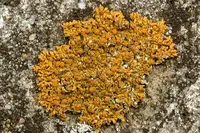
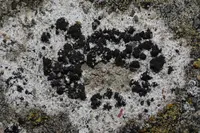
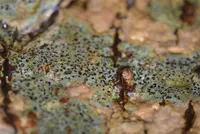
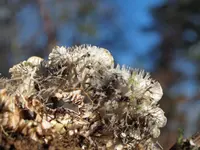
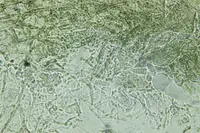
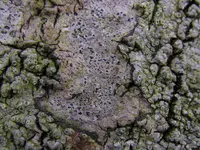
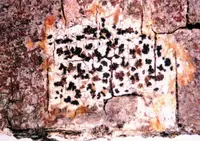
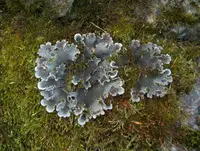
Felt lichen, Peltigera canina, is a foliose lichen, a partnership between a fungus and photosynthetic algae or cyanobacteria. It forms low, spreading rosettes that resemble soft, gray-brown leaves with a slightly fuzzy surface.

This lichen typically grows on soil, moss, or decaying wood in cool, moist forests and grasslands, especially in temperate regions. It prefers clean, humid air and stable, undisturbed habitats.

Because it is very sensitive to air pollution and drying out, it is challenging to cultivate and slow to establish. Many hobby growers focus more on observing it in nature than trying to care for felt lichen at home.

Main Plant Requirements

Care Difficulty

Hard Care

Light Preference

Partial Shade

Water Requirements

Keep Soil Moist

Temperature Preference

Cold Hardy

Hardiness Zone

3–8

Soil Texture

Loamy, Silty, Organic-rich

Soil pH

Strongly acidic (4.5–5.5), Acidic (5.5–6.5)

Soil Drainage

Moist but well-drained

Fertilization

Minimal (feed rarely)

Get Personalized Care Plan

Scan your plant to receive care tips personalized for your specific plant

Available on iOS and Android

How to Care for the felt lichen

This lichen prefers cool, soft light similar to a forest floor or shaded rock surface.

  • Provide bright shade or dappled light with 1–3 hours of weak morning sun; avoid harsh midday and afternoon sun that can scorch the thallus surface.
  • Ensure the site receives indirect light for 6–8 hours so felt lichen can photosynthesize without drying out rapidly.
  • In summer, increase shade or filtered light during heatwaves; in winter, allow slightly more open light if air remains cool and humid.

Watering should focus on maintaining consistent surface moisture without prolonged saturation.

  • Hydrate when the surface and immediate substrate feel dry to the touch but still cool underneath, rather than on a fixed schedule.
  • Use soft, low-mineral water and wet the lichen and substrate thoroughly, then let excess drain away to prevent standing water and rot.
  • In warm, windy, or very sunny conditions, expect faster drying and more frequent misting; in cool, damp seasons, reduce watering and watch for slimy, decomposing patches.

This species favors cool conditions and does poorly in heat or extremely dry air.

  • Aim for 40–65°F (4–18°C) for steady growth, matching the cool, moist habitats where Peltigera canina naturally occurs.
  • It tolerates short drops near 20°F (-6°C) under snow or leaf cover, but repeated freeze–thaw without moisture protection can damage tissues.
  • Above 75°F (24°C), especially with direct sun, stress risk rises; provide extra shade, airflow, and moisture pulses during hot, dry periods.

This lichen needs consistently moist, cool air and substrate to stay active and healthy.

  • Aim for 70–100% humidity, mimicking a damp forest floor or mossy rock face.
  • In prolonged dry air it desiccates and goes dormant; repeated hard drying can cause tissue browning and loss.
  • Increase humidity by placing it in a shaded, wind-sheltered spot near damp moss or leaf litter and misting the substrate, not directly the felt lichen.

This species grows on soil, moss, and decaying organic matter, so it needs a loose, moist but not waterlogged substrate.

  • Use a mix of leaf litter, fine bark, and loamy garden soil to create a soft, organic-rich base.
  • Ensure slow but steady drainage; the surface should stay damp, while water must not pool for more than a few hours.
  • Keep pH slightly acidic to neutral, around 5.5–7.0, similar to forest or woodland soil.
  • Avoid compacted, heavy clay, chemical fertilizers, and salty soils, which damage the delicate lobes of Peltigera canina.

This lichen can be grown in shallow containers for observation if moisture and stability are carefully managed.

  • Choose a broad, shallow tray to allow spreading thalli while keeping the full surface easy to mist evenly.
  • Drill extra small side holes near the base so excess water drains slowly without leaving the substrate submerged.
  • Use an unglazed terracotta or porous stone container only when evaporation will not outpace your ability to keep the substrate damp.

Peltigera canina grows on low-nutrient substrates and generally should not be fertilized in cultivation.

Peltigera canina needs minimal pruning, mainly for hygiene and appearance rather than growth control.

  • Inspect mats in late winter or early spring when growth is easiest to assess.
  • Gently remove dead, decayed, or heavily damaged lobes by hand to limit rot and mold.
  • Thin overcrowded, overlapping patches slightly to improve air flow and surface drying.
  • Use clean fingers or soft tweezers, avoiding cutting tools that crush the thallus.

Transplanting this lichen is delicate and should be done only when its substrate is no longer suitable.

  • Move Peltigera canina during cool, moist weather in spring or fall to limit desiccation stress.
  • Transplant entire substrate pieces rather than peeling the lichen away from soil, rock, or bark.
  • Shift to a shallow, free-draining tray with low-organic, slightly acidic medium if container-grown.
  • Mist lightly and shade for 1–2 weeks after moving to stabilize moisture and reduce shock.

Propagation of this lichen is slow and mainly done by relocating small thallus fragments rather than by seed-like structures.

  • Divide healthy lobes in cool, moist spring or fall conditions for best establishment.
  • Place fragments firmly onto rough, low-nutrient surfaces such as rock, compact soil, or old bark.
  • Maintain high ambient humidity and bright shade, avoiding direct sun and drying wind.
  • Do not bury fragments; allow close contact with the surface so the fungal and algal partners can reattach.

This temperate lichen is cold hardy and usually needs no special winter care outdoors.

  • Tolerates freezing and snow cover, resuming growth in milder, moist periods.
  • Avoid salt splash, road runoff, or chemical de-icers near colonies in winter.
  • For containers, keep substrate moist but not waterlogged, as freeze–thaw cycles plus saturation can damage the thallus.

Care Tips

Substrate mimicry

Attach thalli to a shallow tray filled with rough, slightly acidic, low-nutrient material such as crushed bark, decaying hardwood, or weathered sandstone to better mimic its natural forest-floor habitat and improve stability.

Rainwater rinses

Every 2–4 weeks, gently rinse the lichen with cool rainwater or dechlorinated water to remove dust and pollutants that can block light from reaching the algal partner and slow growth.

Periodic drying cycles

Allow the lichen to dry fully between soakings and keep it dry for 1–2 days after each thorough wetting to reduce risk of rot and favor the natural wet–dry rhythm it experiences outdoors.

Low-airflow placement

Place the culture in a spot with very gentle air movement rather than direct fan airflow so the surface does not desiccate too quickly while still avoiding stagnant, stale air.

Outdoor conditioning

During mild, overcast weather, place the tray outside on shaded, moist ground for a few hours or a day at a time to expose it to natural microflora that can support healthier, more stable growth when caring for felt lichen.

Common Pests and Diseases

Lichenicolous fungi

This disease involves specialized fungi that live on and damage the lichen thallus, causing spots, discoloration, or localized dieback. Symptoms include malformed lobes, dark fruiting bodies on the surface, and patchy necrosis.

Solution

Remove and discard heavily infected thallus sections to limit spread, and avoid overhead watering or prolonged wetting of the surface in cultivation. Provide strong air movement and moderate light, and keep the substrate and surrounding area free of decaying organic debris that can harbor fungal spores.

Snail and slug grazing

These pests feed on the soft, felted lobes, leaving irregular holes, ragged edges, and sometimes entire patches removed. Symptoms include slime trails and fresh bite marks, especially in cool, moist conditions.

Solution

Hand-pick snails and slugs in the evening or early morning and use physical barriers such as copper tape or rough mineral mulches around the lichen substrate. Reduce excess moisture around the colony and remove nearby hiding places like dense ground litter, while using iron phosphate-based baits if grazing remains severe.

Mite colonization

These insects are actually tiny arachnids that can colonize moist lichen mats, leading to fine surface damage, subtle bleaching, and a dusty or speckled appearance. Symptoms include reduced vigor and slow thinning of the thallus over time.

Solution

Rinse the lichen gently with clean, room-temperature water to dislodge mites, then improve airflow and reduce stagnant humidity around the culture. If populations persist, use a mild horticultural soap spray applied sparingly to the surrounding substrate rather than directly saturating the thallus, and repeat rinsing after treatment.

Algal overgrowth

This condition occurs when free-living algae overgrow the lichen surface in very wet, nutrient-rich conditions, forming green films that smother the thallus. Symptoms include loss of the typical gray-brown felted look and reduced photosynthetic activity of the lichen itself.

Solution

Reduce watering frequency, avoid fertilizer drift, and increase air movement and light intensity within the species’ tolerance range. Gently rinse the surface to remove loose algal films and, if possible, shift the colony to a leaner, more mineral substrate that dries slightly between wetting cycles to support stable Peltigera canina care instructions.

Interesting Facts

Dog-lichen name origin

The species name canina means dog-like and refers to the lichen’s lobes and rhizines, which were historically thought to resemble a dog’s teeth and fur.

Soil nitrogen contributor

This lichen partners with nitrogen-fixing cyanobacteria (Nostoc), which convert atmospheric nitrogen into forms that gradually enrich forest and heathland soils.

Preference for mossy ground

It commonly grows on soil and moss in humid, shaded habitats, forming loose rosettes rather than crusts on rock, which distinguishes it from many other foliose lichens.

Botan icon

Did you know?

In traditional European folk medicine, dog lichen was once associated with the Doctrine of Signatures and was used symbolically against canine-related ailments, not based on proven pharmacological effects but on its perceived resemblance to a dog.

FAQs about felt lichen

Growth is slow. Under stable, cool, moist conditions, it usually expands only a few millimeters per year. Disturbance, drought, or pollution can reduce growth further, so patience is essential when growing felt lichen on new surfaces.

Grow Healthy Plants with Botan Care

Keep your plants happy and healthy with plant identification, disease detection, and easy care guidance.

Botan plant care app — identify plants on mobile

Explore More Plants