parasite cup lichen Care (Cladonia parasitica)

Also known as: Fence-rail Cladonia
parasite cup lichen

About parasite cup lichen

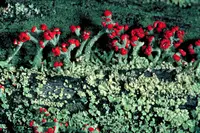
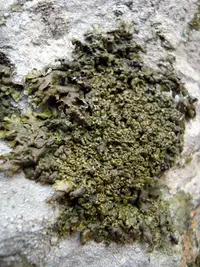
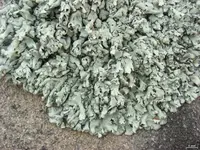
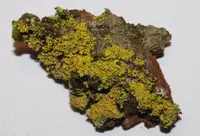
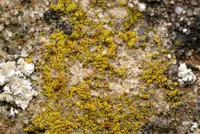
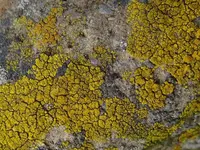
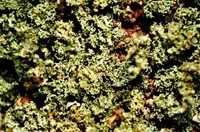
Parasite cup lichen, Cladonia parasitica, is a crusty, cup-forming lichen rather than a traditional plant. It is a symbiosis between a fungus and photosynthetic algae or cyanobacteria. Small gray to brown cups rise from a rough base, often dotted with darker fruiting bodies. The overall look is delicate but quite slow-growing.

This lichen usually grows on old, decaying conifer wood in cool, moist forests of northern and boreal regions. It is sensitive to air pollution and habitat disturbance, so it does not adapt easily indoors or in urban gardens. Anyone who wants to care for parasite cup lichen needs to replicate cool, humid, low-nutrient conditions as closely as possible.

Main Plant Requirements

Care Difficulty

Hard Care

Light Preference

Partial Shade

Water Requirements

Low Water

Temperature Preference

Cold Hardy

Hardiness Zone

2–7

Soil Texture

Rocky, Loamy, Sandy

Soil pH

Strongly acidic (4.5–5.5), Acidic (5.5–6.5)

Soil Drainage

Well-drained

Fertilization

Minimal (feed rarely)

Get Personalized Care Plan

Scan your plant to receive care tips personalized for your specific plant

Available on iOS and Android

How to Care for the parasite cup lichen

This lichen prefers cool, subdued light similar to shaded woodland conditions.

  • Provide bright shade or dappled light, such as under shrubs or on the north or east side of rocks and logs, with no more than 1–2 hours of weak morning sun.
  • Avoid strong midday or afternoon sun, which can desiccate parasite cup lichen and bleach its structures, especially on exposed sites or bare rock.
  • In summer, ensure some overhead shade when sun is strongest; in winter, slightly more open light is acceptable as the sun angle is lower.

This lichen absorbs moisture from rain, dew, and humid air rather than through roots.

  • Allow the substrate surface to dry fully between natural wettings; Cladonia parasitica tolerates dry spells but depends on periodic moisture from rain, mist, or dew.
  • Watch for signs of over-wet conditions, such as persistent soggy, mossy buildup or algae films, which indicate poor drainage and can smother the lichen.
  • In drier seasons, brief, fine misting that moistens surfaces without runoff mimics light rain; reduce or avoid added water during cool, persistently wet weather.

This species is adapted to cool to cold climates with moderate summer warmth.

  • Optimal growth occurs around 40–65°F (4–18°C), typical of shaded woodland or boreal conditions with moderate humidity and limited heat stress.
  • The lichen tolerates winter cold well, often down to 5–15°F (-15 to -9°C) or lower when naturally established, especially if covered by snow.
  • Sustained heat above 80–85°F (27–29°C), especially with full sun and low humidity, can cause drying and decline, so some shade and airflow help reduce thermal stress.

This lichen needs consistently moist air and surface conditions rather than classic houseplant-style humidity.

  • Aim for 70–95% humidity by keeping it in sheltered, naturally damp outdoor microhabitats, such as shaded, mossy wood or bark.
  • Parasite cup lichen shrivels, pales, and becomes brittle under prolonged dry air, especially with wind exposure.
  • Increase humidity by reducing air movement, using surrounding moss as a moisture buffer, and misting the substrate lightly during extended dry spells, not the lichen directly.

This species is a substrate specialist that prefers firm, decaying wood or bark rather than typical potting soil.

  • Use coarse, low-organic material such as weathered bark chips with some decomposed wood dust to mimic its natural host substrate.
  • Ensure extremely sharp drainage; any mix should drain within seconds, with no waterlogged or compacted layer remaining on the surface.
  • Keep pH slightly acidic, roughly 5.0–6.0, by avoiding lime or ash and using conifer bark or rotted hardwood as the main component for Cladonia parasitica.
  • Avoid peat-heavy, loamy, or clay-based mixes that retain water and collapse structure, since these reduce aeration around the lichen’s attachment points.

This species can be grown in containers only as a mounted or display specimen on wood, not as a conventional potted plant.

  • Fix the lichen to a stable, upright piece of well-weathered wood placed in a wide, shallow tray to prevent tipping and allow air movement all around.
  • Add only a thin layer of inert grit or coarse sand at the tray base so water drains away immediately while the wood itself stays free from standing water.
  • Choose a breathable tray material such as unglazed terracotta to let excess moisture evaporate and reduce prolonged saturation around the mounted substrate.

This lichen does not need fertilizing; parasite cup lichen gains nutrients from rain, dust, and its substrate.

Cladonia parasitica requires almost no pruning, only minimal hygiene work.

  • Inspect colonies once or twice a year, ideally in late winter or early spring, when growth is slow.
  • Gently remove detached, decaying, or heavily contaminated fragments using tweezers or gloved fingers.
  • Avoid trimming healthy cups or stalks, as this can reduce photosynthetic area and weaken the colony.
  • Do not use chemical wound sealants; allow cleaned surfaces to dry naturally in good air circulation.

Transplanting is rarely needed because this lichen naturally anchors to bark or dead wood rather than forming true roots.

  • Consider transplanting only if the host wood is deteriorating or needs removal for safety reasons.
  • Work in cool, moist weather to limit desiccation, and handle the thalli and cups very gently.
  • Lift small bark or wood pieces with intact lichen instead of peeling the lichen away from its substrate.
  • Position the new substrate nearby in similar light and humidity, then lightly press lichen-bearing pieces onto rough surfaces.

Cladonia parasitica is not commonly propagated in cultivation and is better conserved in natural habitats.

This species is naturally cold hardy and usually needs no special winter care in outdoor settings.

  • In very exposed sites, retain surrounding leaf litter or coarse wood pieces to buffer drying winter winds.
  • Avoid de-icing salts and chemical runoff near colonies, as these accumulate in lichen tissues over winter.
  • If grown on movable display wood, simply keep it outdoors in natural cold, with normal snow and rain.

Care Tips

Mimic natural substrate

Mount the lichen on untreated, bark-rich conifer wood or old, rough oak rather than inert rock or plastic, since the natural texture and slow-decaying organic surface support stable attachment and gradual colony expansion when growing parasite cup lichen.

Ensure excellent air flow

Place mounted pieces in a location with constant, gentle air movement such as near (but not in front of) an open vent or fan on low, which helps keep the thalli dry between moistening and reduces mold development.

Use soft, low-mineral water

Mist or briefly soak with rainwater, distilled water, or RO water to avoid mineral buildup that can discolor the lichen surface and stress the symbiotic algae component.

Avoid nutrient contamination

Keep the lichen well away from fertilizer, compost, and nutrient-rich runoff from other plants, since elevated nutrients can favor competing mosses and algae that overgrow and shade the lichen.

Provide seasonal cool period

If possible, give the colony a cooler, brighter rest period in autumn–winter (for example in an unheated but frost-free porch or cold frame), which more closely matches its native boreal-forest cycle and supports long-term vitality when caring for parasite cup lichen.

Common Pests and Diseases

Lichenicolous fungi

This disease involves specialized fungi that live on and damage the lichen thallus, often causing discoloration, necrotic spots, or deformed podetia. Symptoms include dark patches, localized dieback, or abnormal growth forms on the cups and branches.

Solution

Remove and discard heavily colonized sections to slow spread, and avoid collecting or placing material from visibly infected wild colonies near healthy pieces. Maintain good air movement, avoid constant wetness, and keep the substrate free of decaying organic debris to reduce conditions that favor these fungi when following general Cladonia parasitica plant care principles.

Persistent smut fungus

This disease, caused by the basidiomycete fungus Marchandiomyces corallinus and similar species, produces pinkish to coral patches on the lichen surface and can gradually weaken the thallus. Symptoms include small, brightly colored, crust-like spots that spread along branches and cups.

Solution

Physically remove affected fragments and dispose of them away from other lichen material, then keep remaining colonies in a location with good airflow and moderate humidity. Avoid overhead misting that leaves surfaces wet for long periods, and quarantine any newly collected material to prevent introducing the pathogen to established pieces.

Moisture-related algal overgrowth

This disease-like condition occurs when algae overgrow the lichen surface under chronically wet, low-light conditions, leading to a dull, slimy, or overly dark green appearance and gradual decline. Symptoms include loss of the normal crisp texture, slimy patches, and reduced structural integrity of the podetia.

Solution

Reduce watering or misting frequency, increase air circulation, and provide brighter but indirect light to let surfaces dry between moisture events. Carefully trim away severely affected parts and keep the colony on a free-draining, slightly rough substrate, which supports healthier, more stable growth when learning how to take care of parasite cup lichen.

Interesting Facts

Obligate lichen parasite

This species grows almost exclusively on other lichens, especially species of Cladonia and sometimes Parmelia, rather than directly on bark or rock, which is unusual even among lichen parasites.

Indicator of old forests

It is considered an indicator species for long-continuity, old-growth boreal and hemiboreal forests, because it tends to persist only where host lichens and stable, undisturbed microhabitats have been present for many decades.

Narrow habitat preference

The lichen is typically found on decorticated, well-rotted conifer wood and old stumps in cool, moist forests, showing a strong dependence on specific decay stages of dead wood and suitable host lichens.

Botan icon

Did you know?

In several Northern and Central European countries, this species is red-listed or considered threatened, and its presence is used in formal conservation assessments to help justify protection of remaining old-growth conifer forests that host diverse lichen communities.

FAQs about parasite cup lichen

Growth is very slow. In natural conditions it may extend only a few millimeters per year. This rate depends on stable moisture, clean air, and the presence of its required host fungi on decaying conifer wood.

Grow Healthy Plants with Botan Care

Keep your plants happy and healthy with plant identification, disease detection, and easy care guidance.

Botan plant care app — identify plants on mobile

Explore More Plants