Reindeer lichen Care (Cladonia portentosa)

Reindeer lichen

About Reindeer lichen

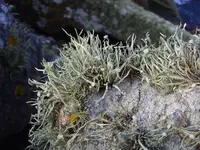
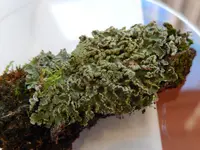
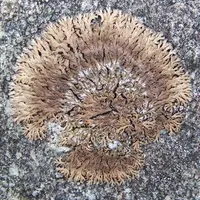
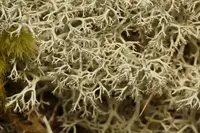
Reindeer lichen, Cladonia portentosa, is a slow-growing lichen, not a true plant, formed by a partnership between a fungus and an alga. It creates dense, cushion-like mats of finely branched, pale gray-green stems that resemble tiny, upright coral.

This species is common in cool, open habitats such as boreal forests, heaths, and moorlands across northern Europe and parts of North America. It is adapted to nutrient-poor, well-drained, often sandy or rocky substrates.

Its very slow growth and sensitivity to trampling, pollution, and overwatering make it delicate in cultivation. Those who want to learn how to care for Reindeer lichen should focus on bright light, excellent air flow, and low, steady moisture.

Main Plant Requirements

Care Difficulty

Hard Care

Light Preference

Partial Shade

Water Requirements

Low Water

Temperature Preference

Cold Hardy

Hardiness Zone

2–7

Soil Texture

Sandy, Rocky, Peaty

Soil pH

Strongly acidic (4.5–5.5)

Soil Drainage

Well-drained

Fertilization

Minimal (feed rarely)

Get Personalized Care Plan

Scan your plant to receive care tips personalized for your specific plant

Available on iOS and Android

How to Care for the Reindeer lichen

Cladonia portentosa prefers cool, bright, indirect light that mimics open woodland or heathland conditions.

  • Provide 3–5 hours of soft morning sun or bright, filtered light; avoid strong midday and afternoon sun that can bleach and dry the thalli.
  • Allow light partial shade, especially in summer; too much shade leads to limp, elongated, or darkened growth with reduced density.
  • Outdoors, position where winter low-angle sun reaches it but summer exposure is buffered by taller plants or light tree canopy.

Cladonia portentosa needs moisture on the surface but is sensitive to standing water around its base.

  • In the ground, allow the top 2–5 cm of substrate or moss layer to dry slightly, then moisten with a fine spray rather than a heavy soak.
  • Use sharply draining, sandy or rocky substrate so excess water runs off quickly; persistent wetness causes browning, collapse, or mold growth.
  • In dry spells, mist lightly when the lichen feels crisp and brittle; if it stays limp, dull, and breaks easily, it is likely too dry.

This lichen is cold-hardy and prefers cool to mild conditions rather than sustained heat.

  • Optimal growth occurs around 50–65°F (10–18°C), especially in humid, breezy sites similar to natural heath or boreal habitats.
  • Tolerates winter cold down to about 5–15°F (-15 to -9°C) when naturally acclimated, but rapid freeze–thaw cycles can damage exposed clumps.
  • Heat above 80°F (27°C), particularly with low humidity and full sun, can desiccate Reindeer lichen, so provide shade and increased ambient moisture in hot periods.

This lichen prefers cool, moderately humid air and is sensitive to long dry spells.

  • Aim for 50–70% humidity, avoiding hot, stagnant air that dries tissues rapidly.
  • In very dry rooms, Reindeer lichen becomes brittle, fades in color, and crumbles easily when handled.
  • Increase humidity locally by placing shallow water trays nearby or grouping moisture-loving plants, but never mist directly or soak the lichen.

Cladonia portentosa grows best on very lean, sharply drained, acidic substrates rather than standard potting mixes.

  • Use a mix such as 60% coarse sand or fine grit, 30% fine bark, and 10% peat or coco coir to mimic nutrient-poor, airy conditions.
  • Ensure extremely fast drainage so water passes through in seconds and no moisture pools beneath the lichen mat.
  • Keep pH distinctly acidic, around 4.0–5.5, avoiding lime, ash, or other alkaline amendments.
  • Avoid rich composts, manures, or dense loam that retain water and encourage mosses, algae, or rot.

This species can be kept in shallow containers mainly for display rather than active growth.

  • Use a broad, shallow tray so the lichen forms a loose mat without being buried by surrounding substrate.
  • Fill the container almost to the rim with the mineral substrate so air circulates freely around the lichen surface.
  • Choose rigid, stable containers that will not tip when the lichen mat is brushed or lightly disturbed.

This lichen gains nutrients mainly from rain, dust, and its substrate, so Reindeer lichen grown decoratively usually needs no additional fertilizer.

Cladonia portentosa requires minimal pruning, mainly to maintain appearance and hygiene in decorative or cultivated settings.

  • Trim only dead, discolored, or broken branches using clean, sharp scissors or small snips.
  • Lightly thin overly dense tufts to keep an even, airy cushion and reduce trapped debris.
  • Avoid cutting back to the base; leave some intact branches so the structure remains natural.
  • Handle gently during any trimming to prevent tearing the brittle, branching lobes.

Transplanting this lichen focuses on gently moving mats or tufts rather than classic root-based repotting.

  • Transplant when growth looks pale, substrate is breaking down, or display needs refreshing, typically every 2–3 years.
  • Choose cool, overcast weather or an indoor low-light period to reduce desiccation stress.
  • Lift and move whole clumps onto a fresh, well-drained, non-fertilized substrate such as bark, stone, or sandy mix.
  • Press clumps gently onto the new surface, then mist lightly and keep in bright, indirect light until reattached.

Propagation of this lichen is done by dividing existing clumps rather than by true cuttings or seed sowing.

  • Best time is in cool, humid seasons such as early spring or fall to limit drying.
  • Gently break or cut small tufts from healthy, pest-free mats without crushing the branches.
  • Place divisions on a clean, stable surface like bark, rock, or gritty mix, without burying them.
  • Provide bright, indirect light and good air flow; mist lightly so surfaces stay slightly humid but not wet.

This lichen is naturally cold hardy and usually requires little specific winter care in outdoor conditions within cool climates.

  • In very exposed sites, position clumps where snow or leaf litter offers light insulation without smothering them.
  • Avoid ice-melting salts nearby, as runoff can damage the thallus, the main lichen body.
  • For container displays, keep in a cold, bright, well-ventilated spot and prevent prolonged waterlogging.

Care Tips

Use inert substrates

Mount the lichen on inert, non-fertilized materials like sand, fine grit, or untreated bark so nutrients stay low and the thallus can anchor without being outcompeted by mosses or algae.

Ensure strong air flow

Place displays where there is gentle but constant air movement and periodically lift or fluff the mats so inner branches dry fully, which helps prevent rot and mold in dense cushions.

Avoid direct handling

Move the lichen on its base or substrate instead of touching the branches directly, since repeated compression damages the fine structure and slows recovery and regrowth.

Control competing growth

Inspect the clumps every 1–2 months and carefully remove invading moss, algae films, or small vascular seedlings with tweezers so the lichen is not shaded or crowded out.

Rotate outdoor exposure

If kept in containers outdoors, rotate trays or slabs a quarter turn every 2–3 weeks so all sides receive similar light and air exposure, leading to more even, dense cushions when growing Reindeer lichen.

Common Pests and Diseases

Lichen-feeding snails

This pest grazes on the lichen surface, removing the finer branches and leaving ragged, chewed patches. Symptoms include thinning cushions, irregular bite marks, and slime trails nearby.

Solution

Limit access by using fine-mesh barriers, copper tape on container rims, or physical removal of snails at dusk and dawn. In outdoor or terrarium culture, reduce damp hiding spots such as dense ground debris and use iron phosphate bait placed away from the main lichen clumps if grazing becomes heavy.

Lichenicolous fungi

This disease is caused by specialized fungi that live on lichens, leading to localized discoloration, dark pinhead dots, or small necrotic patches on the thallus. Symptoms include areas that turn brown, blackened spots, or crusty overgrowth that differs in texture from healthy lichen.

Solution

Isolate affected material and carefully trim out or remove discolored, overgrown sections using clean scissors or tweezers. Keep the lichen in a location with good air movement, avoid chronic surface wetness, and if an entire patch is heavily colonized, discard it to protect remaining healthy cushions.

Green algal overgrowth

This disease appears when free-living green algae overgrow the lichen surface, forming a smeared green film that reduces the normal pale, branched structure. Symptoms include dull, slimy-looking patches and reduced definition of the lichen branches after frequent or prolonged wetting.

Solution

Reduce constant moisture, avoid misting to the point of runoff, and increase airflow and light within the safe range for the species. Gently rinse the lichen with clean, lukewarm water and allow it to dry thoroughly between wetting cycles; heavily coated pieces are best removed so healthier portions can receive enough light and gas exchange.

Sooty mold growth

This disease is a secondary fungal growth that forms dark, soot-like coatings on the lichen when surfaces stay sticky or polluted. Symptoms include black or gray films that rub off on fingers and a dull, dirty appearance instead of clean, pale branches.

Solution

Rinse the lichen gently under a soft stream of clean water and allow it to dry fully, repeating over several days until the surface looks clearer. Improve air circulation and avoid exposure to urban soot, smoke, or sticky residues; in terrariums or decorative displays, clean nearby hard surfaces and maintain good ventilation to prevent re-deposition on the lichen.

Interesting Facts

Patchwork growth form

This species typically forms dense, cushion-like mats made of repeatedly branched, pale grey to yellowish tufts, giving heathlands and dunes a distinctive patchwork appearance that differs from many other Cladonia species.

Nutrient-poor habitat specialist

Cladonia portentosa is strongly associated with acidic, nutrient-poor substrates such as heathlands, moorlands, and coastal dunes, where it contributes to soil formation and stabilisation in environments where many vascular plants struggle to establish.

Indicator of heathland quality

In parts of Europe and the British Isles, this lichen is used as an indicator species for well-developed, relatively undisturbed dry heath because its extensive carpets decline when sites are heavily fertilised or overgrazed.

Botan icon

Did you know?

Cladonia portentosa has been documented as an important winter forage for reindeer and other northern herbivores in some regions, helping sustain these animals when snow covers most vascular plants and only exposed lichen carpets remain available.

FAQs about Reindeer lichen

This species grows very slowly, often only 3–5 mm per year under good conditions. Growth depends on clean air, stable moisture, and cool temperatures. Disturbance, pollution, or frequent handling can almost stop growth entirely.

Grow Healthy Plants with Botan Care

Keep your plants happy and healthy with plant identification, disease detection, and easy care guidance.

Botan plant care app — identify plants on mobile

Explore More Plants