Mounting surfaces
Attach thalli only to stable, rough, non-reactive surfaces such as unpainted stone, old concrete, or inert clay tiles, and avoid treated wood or metal that can leach chemicals harmful to this lichen.

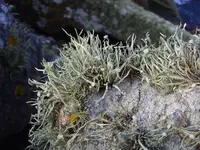
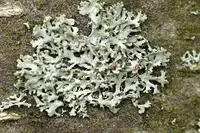
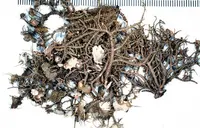
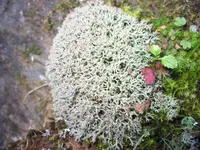
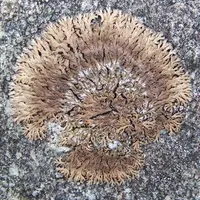
Sea ivory, Ramalina siliquosa, is a fruticose lichen rather than a typical leafy plant. It forms pale green to yellowish, strap-like branches that create tufted cushions on exposed rock.
This species naturally occurs on sea cliffs and coastal rocks in cool, oceanic regions, especially along Atlantic shores. It is highly adapted to salt spray, wind, and strong light.
Because it is a lichen, it grows very slowly and responds poorly to disturbance or pollution, which makes it difficult to cultivate. Most people interested in how to care for Sea Ivory focus on protecting existing wild colonies rather than growing it indoors or in gardens.

Care Difficulty
Hard Care

Light Preference
Full Sun

Water Requirements
Low Water

Temperature Preference
Cold Hardy

Hardiness Zone
5–9

Soil Texture
Rocky, Sandy

Soil pH
Acidic (5.5–6.5)

Soil Drainage
Well-drained

Fertilization
Minimal (feed rarely)
Scan your plant to receive care tips personalized for your specific plant
Available on iOS and Android
This coastal lichen prefers bright, open conditions with gentle, indirect sun.
This epiphytic lichen absorbs moisture mainly from rain, fog, and humid air rather than root uptake.
This species is naturally adapted to cool, oceanic climates with wide seasonal variation.
This lichen prefers consistently moist, maritime air and declines in dry indoor conditions.
For cultivation, attach Ramalina siliquosa to a mineral substrate rather than planting it in conventional potting soil.
This species is only marginally suitable for containers and is best mounted on stone or shell within shallow trays.
Ramalina siliquosa is a lichen that gains nutrients from rain, air, and its substrate, so added fertilizer is usually unnecessary and can be harmful.
Ramalina siliquosa needs minimal pruning, mainly for health, safety, or aesthetic reasons on its host surface.
This lichen is not traditionally repotted, but small Sea Ivory fragments can be relocated carefully if necessary.
Ramalina siliquosa is usually left to spread naturally, and deliberate propagation is slow and technically sensitive.
This coastal lichen is naturally cold hardy and typically needs no special winter care in its outdoor range.

Plant Health Check
Not sure what's wrong with your plant? Check your plant's health inside the app.
This lichen grows almost exclusively on exposed coastal rocks and boulders in the upper splash zone, tolerating regular salt spray that would kill many other lichens.
Its internal green alga can form associations with nitrogen-fixing bacteria, allowing the lichen to capture atmospheric nitrogen and slowly enrich the thin soils of rocky shores.
Populations decline sharply in areas with elevated sulfur dioxide and other air pollutants, so its presence and abundance are used by lichenologists as a bioindicator of clean coastal air.

In some North Atlantic regions, long-term mapping of this species along rocky shorelines has provided one of the clearest biological markers of changing sea-spray zones linked to sea-level rise and increased storm exposure.
Growth is very slow. New lobes and branches usually extend only a few millimeters per year, even in ideal conditions. Expect noticeable changes over several years, not months, which is typical for many maritime lichens.
Keep your plants happy and healthy with plant identification, disease detection, and easy care guidance.