blemished lichen Care (Phlyctis argena)

Also known as: Whitewash Lichen
blemished lichen

About blemished lichen

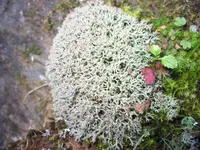
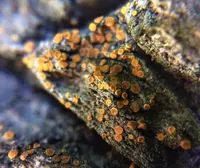
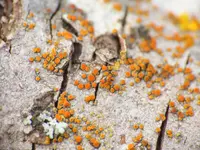
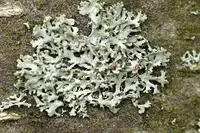
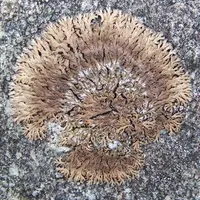
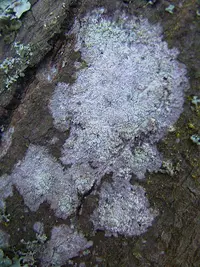
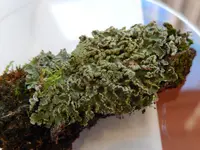
Blemished lichen, Phlyctis argena, is a crustose lichen that forms thin, pale gray patches tightly attached to tree bark or occasionally rocks. It resembles a fine, slightly mottled coating rather than a leafy plant.

This species is widespread in temperate regions, especially in Europe and North America, where air is relatively clean and humidity is moderate. It grows slowly and is generally resilient once established, but it is sensitive to strong pollution and heavy physical disturbance.

Those who want to care for blemished lichen should focus on stable, shaded to lightly lit conditions with consistent moisture and a firm, natural surface such as untreated bark.

Main Plant Requirements

Care Difficulty

Moderate Care

Light Preference

Partial Shade

Water Requirements

Moderate Water

Temperature Preference

Cool Climate

Hardiness Zone

Unknown

Soil Texture

Loamy, Rocky, Organic-rich

Soil pH

Slightly acidic (6.5–7.0)

Soil Drainage

Moist but well-drained

Fertilization

Minimal (feed rarely)

Get Personalized Care Plan

Scan your plant to receive care tips personalized for your specific plant

Available on iOS and Android

How to Care for the blemished lichen

Phlyctis argena grows best on shaded bark or rock where light is soft and indirect.

  • Aim for bright, dappled light or full shade with brief early morning sun, roughly 1–3 hours per day, avoiding harsh midday and afternoon exposure.
  • Tolerates deep shade better than strong sun; prolonged direct light dries the thallus and can cause pale, bleached patches on blemished lichen.
  • In summer, protect from reflected heat and strong sun; in winter, increased low-angle light is acceptable if surfaces do not dry out completely.

This bark-dwelling lichen relies on ambient moisture rather than direct watering.

  • Allow the substrate surface to dry between moisture events; if cultivating, mist lightly only when the bark feels dry to the touch, usually every few days in dry indoor air.
  • Reduce misting in cool or humid seasons; frequent wetting without drying encourages algae growth and soft, decaying patches on the thallus.
  • Signs of excess moisture include slimy or darkened tissue, while chronic dryness shows as crisp, brittle fragments that do not soften after gentle misting.

Stable, mild temperatures support healthy lichen growth on bark or rock.

  • Optimal growth occurs around 50–70°F (10–21°C), typical of cool, shaded woodland conditions with moderate humidity.
  • Tolerates brief cold down to about 23°F (-5°C) once acclimated, but rapid freeze–thaw cycles can damage the attachment to the substrate.
  • Handles moderate summer heat up to about 80–86°F (27–30°C) if shade and humidity are high; prolonged exposure to hotter, dry air slows growth and can cause dieback.

This lichen prefers consistently moist air and reacts quickly to drying conditions.

  • Aim for 70–95% humidity, similar to shaded, damp bark or rock surfaces.
  • Tolerates brief dips to 50–60%, but prolonged dry air causes edges to curl, pale, and become brittle.
  • Increase humidity for blemished lichen by misting nearby surfaces, using a humidity tray, or placing it in a naturally damp, sheltered outdoor microhabitat.

Phlyctis argena does not grow in conventional potting soil and instead anchors to stable, slightly moist substrates.

  • Provide textured bark, old mortar, or lightly weathered stone with a rough, porous surface rather than loose organic mixes.
  • Keep the substrate free-draining so water does not pool; lichen thalli need surface moisture but cannot tolerate waterlogged films for long periods.
  • Favor slightly acidic to neutral conditions around pH 5.5–7, avoiding fresh lime-rich, strongly alkaline masonry where crust formation is inhibited.
  • Improve aeration by ensuring open exposure to moving air and avoiding dense moss layers or compact biofilms that smother the lichen surface.

This species is only marginally suitable for container growing and is better treated as an experimental lichen display.

  • Mount fragments on a rough, vertical stone or bark slab set firmly in a shallow tray so water drains freely off the surface.
  • Use a wide, shallow container to keep the support stable and prevent vibration that can detach the slow-forming thallus.
  • Choose heavier ceramic or stone containers outdoors so wind does not tip or shift the mounted substrate during storms.

Phlyctis argena is a lichen that obtains nutrients from rain, dust, and its substrate, so added fertilizer is not recommended.

Phlyctis argena is not pruned in the horticultural sense, but surrounding vegetation can be managed to maintain light and air flow.

  • Cut back shading branches or dense twigs on host trees in late winter or early spring using clean, sharp hand pruners.
  • Remove only dead, crossing, or weak branches that reduce light reaching the lichen surface.
  • Avoid scraping or brushing the lichen itself, as this damages the thallus, the main body of the lichen.

This lichen is usually left undisturbed on its host surface, since moving it often leads to failure.

  • Transplant only if a host branch is being removed for safety; move the whole bark piece rather than peeling the lichen off.
  • Choose a similar host (bark texture, exposure, and moisture) and place the bark fragment firmly against it with ties that do not cut the bark.
  • Work in cool, overcast conditions to limit drying, and mist lightly so the lichen does not desiccate during handling.
  • Expect very slow establishment; avoid frequent disturbance or attempts at routine repotting or repositioning.

Reproducing this lichen intentionally is slow and technically challenging, so it is rarely attempted outside research settings.

This species is naturally cold hardy on trees in temperate climates and usually needs no special winter care.

Care Tips

Select suitable substrate

Attach the lichen only to stable, slightly rough, untreated bark or stone that will not flake or crumble, since a durable substrate is critical for long-term thallus anchoring and spread.

Use gentle mist anchoring

To establish new material, press small lichen fragments onto the chosen surface and mist very lightly over several weeks instead of soaking, which helps the fungal filaments grip without dislodging the thallus.

Control competing growth

Periodically remove moss, algae films, and fast-growing crusts from around the colony with a soft brush or tweezers, so they do not shade or overgrow the lichen margin.

Maintain clean air

Keep the colony away from combustion fumes, cigarette smoke, and strong household chemicals, since this species is sensitive to air pollution and will decline in enclosed, polluted spaces.

Monitor with magnification

Inspect the thallus with a hand lens every few months to spot early signs of drying, discoloration, or insect grazing, which allows timely adjustments when caring for blemished lichen before serious damage occurs.

Common Pests and Diseases

Air pollution injury

Symptoms include bleaching, loss of color intensity, and dead patches on the lichen thallus, often on surfaces exposed to traffic or industrial emissions. This problem reflects sensitivity to sulfur dioxide, nitrogen oxides, and other air pollutants.

Solution

Reduce exposure by selecting collection or display sites away from busy roads, chimneys, or industrial zones, and avoid smoking or burning candles nearby if keeping samples indoors. For existing thalli, there is no direct cure; management focuses on relocating material to cleaner air and allowing new, healthier growth to replace damaged areas over time, an important point in Phlyctis argena plant care.

Substrate instability

This problem occurs when bark or wood hosting the lichen flakes, cracks, or peels, causing sections of the lichen to detach or die back. Symptoms include sudden loss of patches, lifting edges, and fragmented thalli on decaying or heavily exfoliating bark.

Solution

Support lichen health by maintaining the host tree or wood in stable condition, avoiding unnecessary bark damage, and not stripping or pressure-washing trunks. When moving or displaying lichen-covered branches, handle them gently, keep them dry but not overheated, and avoid frequent repositioning that can flex or crumble the substrate.

Overgrowth by mosses and algae

This issue appears as green films or small moss cushions that gradually cover and shade the lichen, reducing light and gas exchange. Symptoms include fading thallus color, thinner margins, and eventual disappearance under a dense green layer.

Solution

Improve light and air movement around the colonized surface by lightly pruning nearby vegetation and avoiding constant wetting from sprinklers or misting. On loose branches used for display, gently brush away excess moss or soft algal films with a dry, soft brush, taking care not to abrade the lichen surface itself.

Bark wetting and eutrophication

This condition develops where nutrients from fertilizers, bird droppings, or runoff repeatedly wet the bark, leading to abnormal, patchy growth or local dieback. Symptoms include irregular, dirty or darkened areas with reduced lichen cover close to runoff paths or feeding zones.

Solution

Limit fertilizer drift and runoff onto trunks by adjusting sprinkler heads and applying fertilizers directly to soil, not bark. If possible, redirect roof or irrigation runoff away from lichen-rich surfaces and gently rinse off concentrated droppings with plain water, allowing the bark to dry fully between wetting events.

Lichenivorous insects and mites

These insects and tiny mites graze directly on the lichen surface, creating small pits, grazed patches, or a roughened texture, especially on older, drier thalli. Symptoms include fine speckling, frayed margins, and slow thinning of the lichen layer without obvious discoloration from pollution or sun.

Solution

Encourage natural predators by avoiding insecticides on the host tree and maintaining habitat for birds and beneficial arthropods. On small display pieces, gently tap or brush over white paper to dislodge grazers and, if necessary, briefly place material outdoors in a shaded, well-ventilated area to allow natural predators to reduce their numbers.

Interesting Facts

Smooth bark specialist

This crustose lichen is strongly associated with smooth-barked broadleaf trees, especially beech and sycamore, where it forms pale, continuous patches that can dominate the bark surface in oceanic climates.

Tiny black fruiting dots

It produces minute black apothecia (disk-like fruiting bodies) often arranged in faint lines or clusters, which are a key diagnostic feature used by lichenologists to distinguish it from other pale bark lichens.

Pollution-sensitive indicator

This species is generally more frequent and better developed in areas with cleaner, moister air, so its abundance on trees is often used in field surveys as one indicator of relatively low levels of sulfur dioxide and other airborne pollutants.

Botan icon

Did you know?

The species epithet argena refers to its characteristic grey to silvery thallus, which can create large, reflective patches on tree trunks that subtly change appearance with moisture, looking duller when dry and more vivid after rain.

FAQs about blemished lichen

Growth is very slow. Under suitable moisture, light, and air quality, the thallus may expand only a few millimeters per year. Stable, undisturbed substrates support better development than frequently cleaned, polluted, or physically damaged surfaces.

Grow Healthy Plants with Botan Care

Keep your plants happy and healthy with plant identification, disease detection, and easy care guidance.

Botan plant care app — identify plants on mobile

Explore More Plants