Clavulina subrugosa Care

Clavulina subrugosa

About Clavulina subrugosa

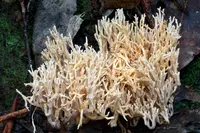
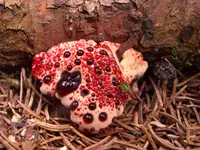
Clavulina subrugosa is a coral fungus, not a leafy plant, producing small, branched, coral-like structures that emerge from soil or decaying organic matter. Its fruiting bodies are usually pale to grayish and form dense clusters that resemble miniature underwater corals.

This species is typically found in forested areas, especially in association with trees, where it participates in nutrient cycling and soil health. It is not commonly cultivated, and information on how to care for Clavulina subrugosa in home settings is limited, though like many fungi it generally favors moist, shaded, undisturbed habitats with rich, organic soil.


Main Plant Requirements

Care Difficulty

Moderate Care

Light Preference

Partial Shade

Water Requirements

Moderate Water

Temperature Preference

Warm Climate

Hardiness Zone

Unknown

Soil Texture

Loamy

Soil pH

Slightly acidic (6.5–7.0)

Soil Drainage

Well-drained

Fertilization

Minimal (feed rarely)

Get Personalized Care Plan

Scan your plant to receive care tips personalized for your specific plant

Available on iOS and Android

How to Care for the Clavulina subrugosa

This woodland fungus prefers low to moderate light that mimics a shaded forest floor.

  • Provide bright dappled shade or light filtered sun, such as under trees or shrubs, avoiding direct midday sun that can dry the substrate quickly.
  • Aim for 1–3 hours of gentle morning sun at most, with the rest of the day in open shade or high, even canopy light.
  • In summer, shield sites from strong afternoon sun; in winter, thinner canopy may increase light but usually remains safe for Clavulina subrugosa.

Moist but not waterlogged conditions are essential for reliable fruiting.

  • Maintain consistently moist, humus-rich soil, letting only the top 2–3 cm start to dry before rewetting the area with a gentle soak.
  • Ensure excellent drainage; standing water or sour, anaerobic smells indicate overwatering and raise the risk of rot in supporting roots and mycelium.
  • In warm, dry periods, monitor more often and water when the soil surface feels dry, while in cool, rainy seasons reduce added water to avoid saturation.

Stable, cool to mild temperatures suit this forest-dwelling fungus best.

  • Optimal active growth and fruiting usually occur around 55–70°F (13–21°C), typical of cool, moist woodland conditions.
  • It tolerates down to about 32°F (0°C), but hard or prolonged frost can damage fruiting bodies even if underground mycelium survives.
  • Heat above 80°F (27°C), especially when combined with low humidity, tends to dry the substrate and shorten fruiting, so provide shade and moisture buffering in hot spells for Clavulina subrugosa care.

This ectomycorrhizal fungus is not suited to controlled indoor humidity management, so targeted humidity adjustment is usually unnecessary.

This woodland fungus depends on the existing forest soil profile rather than a prepared potting substrate.

  • Fruiting bodies typically emerge from undisturbed, humus-rich, well-drained forest soil with abundant leaf litter and woody debris.
  • The species associates with tree roots, so avoid heavily compacted or tilled ground that disrupts fine root systems and fungal mycelium.
  • Do not amend with large amounts of inorganic sand or gravel, which can dry the upper profile and interrupt mycelial spread.
  • If attempting cultivation, use native, slightly acidic to neutral woodland soil (pH 5.5–7.0) with mixed leaf mold and partially decomposed wood.

This species is not practically suitable for container growing, as it relies on complex ectomycorrhizal relationships with tree roots in stable forest soil.

This mycorrhizal fungus usually needs no supplemental feeding when growing in suitable woodland soil with its host trees.

Pruning is not applicable, as Clavulina subrugosa is a wild mycorrhizal fungus rather than a pruned ornamental plant.

Transplanting is rarely attempted because this fungus depends on living host tree roots and established soil fungi networks.

  • If a colony must be moved, do it during cool, moist weather to reduce stress and drying.
  • Lift a generous block of soil containing fruiting bodies, mycelium, and associated fine tree roots.
  • Replant the soil block at the same depth near a compatible host tree in similar shade and soil conditions.
  • Water gently after transplanting to settle soil, then keep the area evenly moist but not waterlogged.

Intentional propagation of Clavulina subrugosa in home settings is difficult because it forms mycorrhizae with host tree roots.

No special winter care is needed in climates where its host trees naturally occur, as the fungus is adapted to local seasonal conditions.

Care Tips

Substrate sanitation

Before inoculating, pasteurize or sterilize the substrate (for example by heating moist sawdust or leaf litter to 160–170°F for 1 hour) to reduce competing fungi and bacteria that can quickly overwhelm slow-establishing Clavulina subrugosa mycelium.

Mycelium monitoring

After inoculation, inspect the substrate weekly for even, white to pale mycelial growth and remove any sections showing strong green, black, or bright orange molds to prevent contaminants from overtaking the culture.

Airflow without drafts

Provide gentle, indirect airflow around the fruiting area using a small fan on a low, indirect setting to limit stagnant, mold-prone pockets while avoiding direct drafts that can dry developing coral-like branches.

Targeted moisture management

Use a fine-mist sprayer to lightly humidify the air and the chamber walls rather than spraying the fruiting bodies directly, which helps maintain high local humidity without causing waterlogging or deformation of the delicate structures.

Rotating fruiting blocks

If several inoculated blocks or trays are used, rotate their position every few days within the fruiting space so that each receives similar airflow and humidity, which helps maintain more uniform results when growing Clavulina subrugosa.

Common Pests and Diseases

Parasitic fungi

This disease involves other parasitic fungi colonizing the fruiting bodies and mycelium, often causing discoloration, deformation, or premature decay. Symptoms include abnormal surface growths, moldy patches, or rapid breakdown of the coral-like branches.

Solution

Remove and discard affected fruiting bodies promptly to reduce spore spread, and avoid disturbing the area when wet. Improve air circulation, reduce excessive organic debris directly around the colony, and, if in cultivation, separate infected substrate from healthy cultures to limit cross-contamination.

Fungal gnat larvae

This pest targets moist substrates and can damage developing mycelium and primordia by feeding on fine fungal tissue. Symptoms include slow or aborted fruiting, soft spots on young structures, and the presence of small black adult gnats hovering near the substrate.

Solution

Allow the upper layer of substrate to dry slightly between waterings, use fine mesh covers on vents, and apply yellow sticky traps to capture adults. In controlled cultivation, introduce biological controls such as Bacillus thuringiensis israelensis (BTI) in irrigation water to target larvae without harming the fungus.

Mite infestation

These insects feed on fine fungal tissues, leading to pitted, roughened, or partially consumed branches on the coral-like fruiting bodies. Symptoms include tiny moving dots on surfaces, fine debris, and a powdery or grazed appearance on affected areas.

Solution

Discard heavily infested fruiting bodies and clean surrounding surfaces and tools thoroughly. In indoor or controlled setups, reduce excess humidity spikes, improve ventilation, and, if necessary, use targeted biological controls such as predatory mites that feed on pest mites without harming the fungus.

Bacterial soft rot

This disease causes localized water-soaked, slimy lesions on the fruiting bodies, often with an unpleasant odor and rapid tissue collapse. Symptoms include translucent patches that turn mushy, then darken and disintegrate.

Solution

Remove and dispose of all visibly affected tissue and any adjacent softened parts, and avoid overhead watering that leaves standing moisture on the fruiting bodies. Increase airflow, reduce condensation on surfaces, and in cultivation clean containers and tools with a suitable disinfectant between harvests to limit recurring infection.

Competitive mold colonization

This disease arises when fast-growing molds such as Trichoderma or Penicillium overtake the substrate or fruiting area, appearing as green, blue, or gray patches that suppress normal development. Symptoms include stunted or absent fruiting bodies and fuzzy or powdery mold growth over or around the coral structures.

Solution

Physically remove and discard heavily contaminated substrate sections and fruiting bodies, and avoid spreading spores by working gently and cleaning surrounding surfaces afterward. In cultivation, start with clean substrate, maintain good fresh-air exchange, and adjust moisture levels to remain evenly damp rather than wet to favor growing Clavulina subrugosa over aggressive molds.

Interesting Facts

Coral-like basidiocarp

This species forms compact, branched fruiting bodies that resemble small, pale coral, typically emerging from soil in mixed or coniferous forests rather than from wood.

Mycorrhizal forest partner

Clavulina subrugosa is considered ectomycorrhizal, forming symbiotic associations with tree roots and helping host trees access soil nutrients in exchange for sugars.

Distinctive spore ornamentation

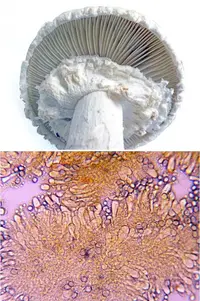
Under a microscope, its spores show characteristic surface ornamentation and shape that help mycologists distinguish it from similar coral fungi.

FAQs about Clavulina subrugosa

This species is a mycorrhizal fungus, not a typical houseplant, so it performs best outdoors in soil, closely associated with host tree roots. Clavulina subrugosa indoor care is generally unreliable and rarely sustainable long term.

Grow Healthy Plants with Botan Care

Keep your plants happy and healthy with plant identification, disease detection, and easy care guidance.

Botan plant care app — identify plants on mobile

Explore More Plants