Clematis Care (Clematis 'Belle of Woking')

About Clematis

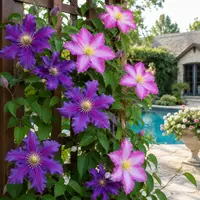
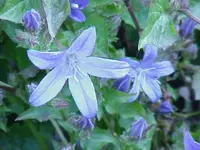
Clematis 'Belle of Woking' is a deciduous climbing vine grown mainly for its large, double, silvery-lilac flowers. It is a cultivated variety of Clematis, not a wild species, but its parent species originate from temperate regions of Europe and Asia.

This plant climbs by twining leaf stalks and is usually trained on trellises, fences, or obelisks. It has a compact, upright habit compared with some more vigorous clematis.

The cultivar is considered moderately easy if basic needs are met, so learning how to care for Clematis helps maintain strong flowering. It prefers cool, shaded roots with its stems and flowers in bright light, plus well-drained, fertile soil and consistent moisture.

Main Plant Requirements

Care Difficulty

Moderate Care

Light Preference

Full Sun

Water Requirements

Regular Water

Temperature Preference

Cold Hardy

Hardiness Zone

4–9

Soil Texture

Loamy, Sandy, Organic-rich

Soil pH

Acidic (5.5–6.5), Slightly acidic (6.5–7.0)

Soil Drainage

Moist but well-drained

Fertilization

Light (every 4–6 weeks)

Get Personalized Care Plan

Scan your plant to receive care tips personalized for your specific plant

Available on iOS and Android

How to Care for the Clematis

This large-flowered clematis prefers bright conditions with its top in sun and roots shaded or mulched.

  • Provide 4–6 hours of direct morning sun with light afternoon shade; strong late-afternoon sun in hot summers can scorch petals and fade color.
  • Tolerates bright dappled shade, but flowering decreases if direct sun drops below about 3–4 hours per day.
  • In cooler coastal or northern climates, Clematis can handle nearly full sun, while in hotter regions use neighboring shrubs or trellises to give filtered afternoon light.

This clematis prefers consistently moist, cool soil that drains freely and never stays saturated.

  • Water when the top 3–5 cm of soil feels dry, applying a slow, deep soak so moisture reaches the full root zone rather than frequent light sprinkling.
  • During hot, dry spells, check soil every 1–2 days; in spring and fall, intervals usually lengthen as evaporation slows.
  • Yellowing leaves and wilt on wet soil indicate overwatering or poor drainage, while limp, crisping leaves on dry soil signal underwatering in Clematis 'Belle of Woking'.

This hardy climber grows best in moderate temperatures but tolerates typical outdoor seasonal swings.

  • Active growth and flowering are strongest around 60–75°F (16–24°C), with roots kept cool under mulch or low groundcover plants.
  • Mature plants generally survive down to about -20°F (-29°C) when well established, though new shoots can be damaged by late frosts near 30–32°F (-1–0°C).
  • In summer, plants tolerate short periods around 85–90°F (29–32°C) if soil stays moist; prolonged heat above this range can stress vines and reduce bud formation.

This clematis tolerates a wide humidity range and does not usually need special humidity control outdoors.

Clematis 'Belle of Woking' needs deep, moisture-retentive but free-draining soil for sustained flowering and root health.

  • Use a loamy, organic-rich soil that holds moisture yet crumbles easily when squeezed.
  • Aim for a slightly alkaline to neutral pH around 6.5–7.5, adding garden lime if soil is notably acidic.
  • Mix in 30–40% compost plus coarse grit or perlite to improve nutrient content, drainage, and aeration around the roots.
  • Avoid heavy, compacted clay or waterlogged spots, which encourage root rot and weak top growth.

This cultivar grows well in large outdoor containers if the pot supports its deep, extensive root system.

  • Choose a container at least 40–50 cm deep so roots can stay cool and spread downward rather than circling near the surface.
  • Use a heavy, stable pot material such as thick terracotta or concrete to reduce tipping from vigorous vine growth and wind.
  • Position the pot where the base is shaded by low plants or mulch while the trellis area receives full sun, preventing root-zone overheating.

Balanced feeding supports strong flowering and growth for Clematis 'Belle of Woking' in containers or lean soils.

  • Use a balanced slow-release fertilizer (e.g., 10-10-10) or compost worked into the top 5–8 cm of soil in early spring.
  • Supplement with a diluted liquid balanced feed at 1/2 strength every 4–6 weeks during active growth.
  • Avoid high-nitrogen lawn fertilizers, which push leafy growth at the expense of blooms and can scorch roots.
  • Stop feeding in late summer to allow stems to harden before winter and avoid tender, frost-sensitive growth.

Thoughtful pruning keeps Clematis 'Belle of Woking' flowering well and within bounds.

  • Prune in late winter or very early spring before new growth extends, as this group flowers on last year’s stems.
  • Use clean, sharp bypass pruners to remove dead, weak, or damaged stems back to healthy wood.
  • Thin congested shoots near the base to improve air flow and reduce risk of fungal disease.
  • Lightly shorten remaining stems to shape the vine and keep flowers at a manageable viewing height.

Transplanting and occasional repotting help maintain healthy root systems and stable flowering in Clematis 'Belle of Woking'.

  • Look for roots circling the container drainage holes, soil drying very fast, or declining growth as signs it needs a larger space.
  • Plan major transplanting or shifting to a bigger container in early spring or early fall when conditions are cool and moist.
  • Expect container plants to need moving to a pot 1 size larger every 3–4 years; in-ground plants rarely need lifting.
  • Water thoroughly the day before, handle the root ball gently, replant at the same soil depth, then shade and keep evenly moist for 1–2 weeks.

Propagation of Clematis 'Belle of Woking' is usually done vegetatively to keep the exact cultivar traits.

  • Take semi-ripe stem cuttings in late spring–summer, each with 2–3 nodes, and place in a free-draining, moist medium.
  • Provide bright, indirect light, high humidity, and gentle bottom warmth around 68–72°F to encourage rooting.
  • Layer flexible stems in spring by pegging a section under soil, keeping it moist until roots form at the buried node.
  • Division is rarely used because established plants resent major root disturbance and may take time to recover.

This clematis is fairly cold hardy but benefits from simple winter care, especially in colder regions or containers.

  • Tolerates typical temperate frosts once established, provided roots are kept in well-drained soil.
  • Apply 5–8 cm of organic mulch over the root zone in late fall, keeping it slightly away from the stems.
  • In very cold areas or for container plants, wrap the pot or move it to a sheltered, unheated but frost-sheltered spot.
  • Avoid heavy pruning in late fall so stems provide some extra protection to lower buds through winter.

Care Tips

Cool root zone

Lay a 5–8 cm layer of organic mulch or plant low groundcovers at the base to keep roots cool and shaded while allowing the leafy vines to climb into full light, which improves vigor and flower production.

Smart trellis setup

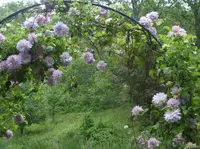
Provide a support with thin wires, mesh, or netting no thicker than a pencil and loosely tie new shoots with soft garden ties, as this cultivar climbs by leaf petioles that need something slender to curl around.

Early shoot training

When stems are 20–40 cm long, gently fan them out and guide them in several directions on the support to create a well-branched framework that will carry more flowers later in the season.

Neck protection

Install a small, slanted slate, pot shard, or flat stone on the south or west side of the crown to shade the plant’s base and prevent overheating or desiccation at soil level during hot spells.

Rust and wilt monitoring

Inspect foliage and stems weekly for sudden wilting of individual shoots or rusty leaf spots, remove and discard affected parts immediately, and avoid overhead wetting to reduce the risk of clematis wilt and rust when caring for Clematis.

Common Pests and Diseases

Clematis wilt

This disease causes sudden blackening and collapse of stems, often just as flower buds are forming. Symptoms include a sharp line between healthy and dead tissue on individual shoots.

Solution

Cut affected stems back to healthy green tissue at or near ground level and dispose of all infected material, then keep the crown lightly mulched and the soil evenly moist to encourage new shoots from below ground. Avoid damaging stems, improve air flow around the vine, and use clean, sharp tools to reduce entry points for the fungus when caring for Clematis.

Slugs and snails

These pests chew irregular holes in young leaves and can strip tender new shoots near ground level, especially in cool, damp conditions. Symptoms include slime trails and missing leaf edges or entire seedlings.

Solution

Hand-pick at dusk, use physical barriers such as copper tape or sharp grit around the base, and remove dense debris where they hide. In high-pressure areas, place beer traps or use targeted iron phosphate pellets around the planting zone, keeping them away from children and pets.

Powdery mildew

This disease appears as white, powdery patches on leaves and sometimes stems, often during warm days with cool, humid nights. Symptoms include yellowing, distortion, and early leaf drop if severe.

Solution

Remove and discard heavily affected leaves, then improve air circulation by gently thinning crowded growth and keeping nearby plants from crowding the vine. Water at soil level in the morning, avoid wetting foliage, and if the problem persists, apply a sulfur or potassium bicarbonate fungicide labeled for ornamental vines according to the instructions.

Aphids

These insects cluster on soft shoot tips and flower buds, sucking sap and causing distortion, sticky honeydew, and sooty mold growth. Symptoms include curled young leaves and stunted new growth.

Solution

Spray colonies off with a strong stream of water and pinch or prune heavily infested tips. For ongoing issues, apply insecticidal soap or horticultural oil to the undersides of leaves and shoots, repeating as needed and avoiding application during high heat or direct midday sun.

Clematis leaf spots

This disease causes tan, brown, or black spots on leaves, sometimes with yellow halos, which can merge and lead to partial defoliation in humid conditions. Symptoms include a patchy, scorched look on older foliage while new growth may still appear healthy.

Solution

Remove and dispose of affected leaves during the season and thoroughly clean up fallen debris in autumn to reduce fungal spores. Improve air movement, avoid overhead watering, and in recurrent cases apply a preventive fungicide labeled for leaf-spot diseases on ornamental vines early in the growing season.

Interesting Facts

Victorian-era hybrid origin

This double-flowered clematis was raised by English nurseryman Charles Noble in the late 1800s and became popular in Victorian gardens for its formal, rose-like blooms.

Color-shifting flowers

The large, fully double flowers open in a silvery, cool lavender-blue and often fade toward a softer, more silvery tone as they age, giving a layered, multi-toned effect on the same plant.

Dual flowering pattern

It typically produces its most double flowers on old wood in late spring, then often reblooms with more single or semi-double flowers on new growth later in the season, a useful trait for planning pruning and overall Clematis 'Belle of Woking' plant care.

FAQs about Clematis

Poor flowering usually comes from incorrect pruning group, excessive nitrogen, or too much shade on the stems. This cultivar blooms on old and new wood, so light, well-timed pruning and balanced feeding support reliable flowering.

Grow Healthy Plants with Botan Care

Keep your plants happy and healthy with plant identification, disease detection, and easy care guidance.

Botan plant care app — identify plants on mobile

Explore More Plants