Cool root zone
Mulch the root area with 5–8 cm of shredded bark or compost and shade the base with a low perennial or stone to keep roots cool and moist while the vine grows into full sun.

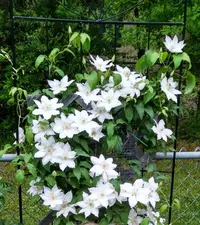
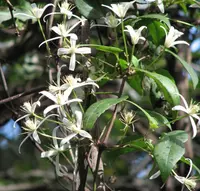
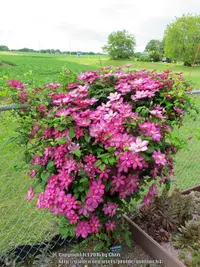
Clematis 'Henryi' is a vigorous flowering vine in the buttercup family, valued for its large, pure white summer blooms with contrasting dark centers. It typically grows by twining through trellises, fences, or shrubs, creating vertical accents rather than forming a self-supporting shrub.
This cultivar was originally bred from species native to China and has become a classic garden clematis in temperate climates. It is considered moderately easy to grow once established, but it dislikes waterlogged soil and very harsh drying conditions.
Good support, consistent moisture, and well-drained, fertile soil make it easier to care for Clematis and enjoy reliable flowering year after year.

Care Difficulty
Moderate Care

Light Preference
Full Sun

Water Requirements
Regular Water

Temperature Preference
Cold Hardy

Hardiness Zone
4–8

Soil Texture
Loamy, Sandy, Organic-rich

Soil pH
Acidic (5.5–6.5), Slightly acidic (6.5–7.0)

Soil Drainage
Moist but well-drained

Fertilization
Light (every 4–6 weeks)
Scan your plant to receive care tips personalized for your specific plant
Available on iOS and Android
This large-flowered climber performs best with plenty of light on the vines and cooler, shaded roots.
This clematis prefers evenly moist, cool soil that never stays waterlogged.
This hardy vine tolerates cold winters but grows and flowers best in moderate temperatures.
This vine tolerates typical outdoor humidity and rarely needs special humidity management.
Clematis 'Henryi' prefers deep, moisture-retentive yet well-drained soil that stays cool around the roots.
This clematis can grow successfully in large containers if root space and stability are carefully managed.
This vigorous flowering vine benefits from steady, moderate feeding during the active growing season.
Thoughtful pruning keeps Clematis 'Henryi' flowering well and maintains a manageable framework on its support.
This large-flowering clematis is usually grown outdoors and responds better to careful transplanting than frequent repotting.
Gardeners usually propagate this clematis vegetatively to keep the exact traits of Clematis 'Henryi'.
This clematis is generally cold hardy in much of the US but benefits from some winter root-zone protection.

Plant Health Check
Not sure what's wrong with your plant? Check your plant's health inside the app.
This large-flowered hybrid was introduced in the late 19th century and quickly became popular in Victorian gardens for its unusually pure white blooms, which contrasted strongly with the darker, often purple clematis of the time.
Its flowers typically have 6–8 broad, overlapping tepals with a creamy white surface and a slight rib down the center, plus a prominent crown of deep purple to reddish stamens that makes the central eye appear sharply defined.
This cultivar flowers on both old and new wood, producing its main flush on stems formed the previous year and a smaller, later flush on current season growth, which is why it is classified in clematis pruning group 2.

Clematis 'Henryi' received the Royal Horticultural Society's Award of Garden Merit, indicating consistent performance, ornamental value, and relative reliability across a wide range of garden conditions when grown according to standard Clematis 'Henryi' plant care.
Poor flowering often comes from too much shade, excessive nitrogen fertilizer, or incorrect pruning of last year’s stems. Ensure strong light, balanced feeding, and follow Clematis 'Henryi' care guidelines for its specific pruning group to improve blooms.
Keep your plants happy and healthy with plant identification, disease detection, and easy care guidance.