netleaf leather flower Care (Clematis reticulata)

netleaf leather flower

About netleaf leather flower

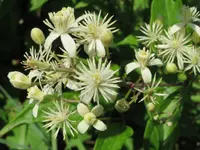
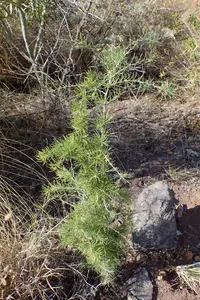
Netleaf leather flower, Clematis reticulata, is a small, twining vine in the buttercup family. It is native to the southeastern United States, often found in dry, open woodlands and sandy prairies.

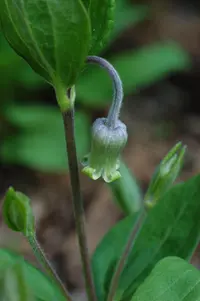
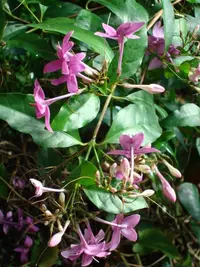
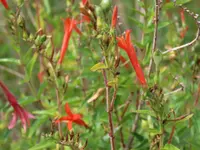
The plant produces nodding, urn-shaped flowers with thick, leathery sepals and netted leaf veins that give it its common name. Stems are relatively delicate and benefit from nearby support such as grasses or low shrubs.

This species is generally considered moderate in difficulty, as it prefers well-drained, slightly alkaline soils and does not tolerate heavy, waterlogged ground. Full sun to light shade and moderate moisture are typically best when learning how to care for netleaf leather flower.

Main Plant Requirements

Care Difficulty

Moderate Care

Light Preference

Full Sun

Water Requirements

Moderate Water

Temperature Preference

Warm Climate

Hardiness Zone

7–9

Soil Texture

Sandy, Loamy, Rocky

Soil pH

Acidic (5.5–6.5), Slightly acidic (6.5–7.0)

Soil Drainage

Well-drained

Fertilization

Minimal (feed rarely)

Get Personalized Care Plan

Scan your plant to receive care tips personalized for your specific plant

Available on iOS and Android

How to Care for the netleaf leather flower

This sun-loving vine needs strong light but benefits from some protection in hotter regions.

  • Provide 6–8 hours of direct sun daily, ideally with morning sun and light afternoon shade in hot summers, to support abundant flowering in netleaf leather flower.
  • In cooler climates, full sun from morning to late afternoon is suitable, but in hotter zones use filtered light or high open shade after 2–3 pm to prevent leaf scorch.
  • Avoid deep shade, which leads to weak, spindly growth and few blooms; adjust nearby plantings or structures if stems noticeably lean toward brighter areas.

This species prefers evenly moist but not saturated soil, especially during active growth.

  • Allow the top 3–5 cm of soil to dry before watering, then soak the root zone thoroughly so moisture reaches 15–20 cm deep, rather than giving frequent shallow drinks.
  • During hot, dry periods, monitor Clematis reticulata every few days; drooping leaves that recover by evening indicate thirst, while yellowing, limp foliage can signal overwatering.
  • Plant in well-drained, loamy soil or raised beds so excess water can escape; avoid sites where water pools, which increase root rot risk and poor aeration.

This vine handles heat well but still performs best within a moderate temperature range.

  • Optimal growth occurs around 70–85°F (21–29°C), with strong flowering and healthy foliage when summers are warm but not extreme for extended periods.
  • Mature plants tolerate brief dips near 10–15°F (-12 to -9°C) when fully dormant, but young or newly planted vines benefit from mulch around the root zone in winter.
  • In prolonged heat above 95°F (35°C), flowering may slow and leaves can scorch; provide afternoon shade and consistent soil moisture to reduce stress.

Clematis reticulata handles typical outdoor humidity well and rarely needs special humidity management.

  • Performs reliably in 30–60% humidity, which covers most outdoor garden conditions in its range.
  • Tolerates short periods of dry air without damage, so extra misting is unnecessary for netleaf leather flower.
  • Watch for crisp leaf edges and stalled growth during prolonged hot, very dry winds; provide light shade and steady soil moisture instead of artificial humidity boosts.

Clematis reticulata prefers loose, well-drained mineral soils that never stay waterlogged.

  • Use a sandy or sandy-loam soil with moderate organic matter, such as native sand mixed with 20–30% compost.
  • Aim for slightly acidic to neutral pH around 6.0–7.0, avoiding very alkaline or saline sites.
  • Improve drainage and aeration by incorporating coarse sand or fine gravel in heavier soils, especially in low spots.
  • Avoid compacted clay, poorly drained basins, or constantly irrigated lawn edges, which promote root rot and weak growth.

This species can be grown in containers, but it performs best when the pot closely mimics its naturally free-draining, sandy conditions.

  • Choose a tall, relatively narrow pot to give the deep, wiry root system room while limiting excess moisture around the crown.
  • Select a breathable material such as unglazed clay so the mix dries steadily between waterings, reducing root rot risk.
  • Weight or brace the container and provide a slim support so the vine’s scrambling growth does not tip the pot in wind.

Clematis reticulata grows well in modestly fertile soils, but light feeding supports better flowering and growth.

  • In spring, apply a balanced slow-release fertilizer (around 10-10-10) at half the label rate around, not against, the crown.
  • Supplement with a thin layer of compost over the root zone once in spring to improve soil structure and nutrients.
  • During active growth, optional liquid feed at 1/2 strength every 4–6 weeks benefits container-grown netleaf leather flower.
  • Stop fertilizing in late summer so growth hardens before winter and avoid feeding dormant plants.

Clematis reticulata responds well to thoughtful pruning that maintains an open, flowering framework.

  • Best timing is late winter to very early spring, before new shoots extend fully.
  • Remove dead, damaged, or weak stems first, cutting back to healthy green tissue with clean bypass pruners.
  • Thin crowded or crossing stems to improve airflow and light, which supports flowering and reduces disease risk.
  • Shorten remaining stems moderately to shape the plant and encourage new flowering shoots from the base.

This species is more often transplanted in the ground than shifted between containers.

  • Transplant in early spring or early fall when weather is mild and soil is workable.
  • Look for signs such as slow growth, roots circling the pot, or drying out very fast before moving a container-grown plant.
  • Aim to transplant every several years only, choosing a site with well-drained soil and stable support for the vine.
  • Water deeply before and after transplanting, keep the root ball intact, and shade the base for 1–2 weeks to limit transplant shock.

Clematis reticulata plant care can include propagation to expand plantings or replace aging vines.

  • Take semi-ripe stem cuttings in late spring–summer, using 2–3 node pieces dipped in rooting hormone and placed in moist, well-drained mix.
  • Use simple layering in spring by pegging a flexible stem to the soil until roots form at a node, then severing and replanting.
  • Sow fresh seeds in pots outdoors in fall; natural winter chilling (cold stratification) helps break dormancy.
  • Provide bright, indirect light, steady moisture, and good air circulation around cuttings or seedlings to reduce rot.

This species is moderately cold hardy in much of its native range and usually needs limited winter care in the ground.

  • In regions with freezing winters, add 5–8 cm of organic mulch over the root zone after soil cools, not touching the stems.
  • Allow top growth to die back naturally; remove only clearly dead or broken stems in late winter.
  • Move container-grown plants to a sheltered, unheated space where temperatures stay roughly above 25°F to protect roots.

Care Tips

Provide sturdy support

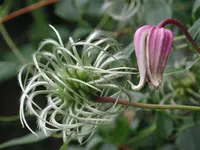
Install a low, rigid support such as a wire mesh panel or small obelisk at planting time so the stems can lean and weave naturally rather than forcing them onto tall, vertical trellises designed for large-flowered clematis.

Use light-colored mulch

Apply a 5–8 cm layer of pale gravel or light wood mulch around the crown to keep roots cool in hot climates while avoiding heavy, wet organic layers that can trap moisture against the crown and promote rot.

Encourage lateral spread

Pinch or lightly tip-prune overly tall, single shoots early in the growing season to stimulate branching and create a broader, fuller clump instead of a few sparse stems.

Protect from ground competition

Maintain a clear, mulched zone 20–30 cm around the plant base, removing turf and aggressive groundcovers so this naturally small species does not lose moisture and nutrients to stronger-rooted neighbors when growing netleaf leather flower.

Monitor seed pod load

Thin out some developing seed heads after flowering if stems begin to flop, which helps conserve energy for root growth and future flowering rather than putting all resources into seed production.

Common Pests and Diseases

Clematis wilt

This disease causes sudden blackening and collapse of stems, often just as plants come into active growth or flowering. Symptoms include dark, shriveled stems and leaves that rapidly droop and die back above the affected point.

Solution

Cut out affected stems immediately down to healthy green tissue or the base, disinfecting pruners between cuts. Improve air circulation, avoid mechanical damage to stems, keep the crown cool and evenly moist but not waterlogged, and allow the plant to resprout from healthy buds near the base as part of long-term Clematis reticulata care.

Powdery mildew

This disease produces a white, powdery coating on leaves, stems, and sometimes flower buds, especially during warm days and cool nights. Symptoms include distorted new growth and premature leaf yellowing or drop.

Solution

Remove and discard heavily infected leaves, then improve airflow by thinning crowded stems and avoiding overhead watering. In dry weather, use a labeled low-toxicity fungicide such as potassium bicarbonate, sulfur, or horticultural oil, applied according to directions, and keep the plant in full sun to reduce humidity around the foliage.

Aphids

These insects congregate on young shoots and flower stems, sucking sap and excreting sticky honeydew. Symptoms include curled or distorted new growth and the presence of ants or sooty mold on affected parts.

Solution

Wash colonies off with a firm stream of water, repeating every few days as needed, and pinch off heavily infested shoot tips. For persistent infestations, apply insecticidal soap or horticultural oil, coating the undersides of leaves and tender stems, and encourage natural predators such as lady beetles by avoiding broad-spectrum insecticides nearby.

Spider mites

This pest thrives in hot, dry conditions and feeds on leaf undersides, causing fine stippling, bronzing, and eventual leaf drop. Symptoms include very fine webbing between leaves and stems and a general dull, dusty look to the foliage.

Solution

Increase humidity around the plant and rinse foliage thoroughly, focusing on leaf undersides, every few days to disrupt mites. For ongoing problems, use insecticidal soap or a horticultural oil labeled for mites, alternating products if needed and ensuring good coverage while avoiding treatment during very high heat.

Leaf spot

This disease causes small tan to brown spots on leaves that may have darker margins and can merge into larger dead patches. Symptoms include premature yellowing and shedding of heavily affected foliage, especially in warm, wet weather or where foliage stays wet for long periods.

Solution

Prune and dispose of infected leaves and any fallen debris around the base to reduce reinfection. Water at soil level rather than overhead, improve airflow around the vine, and, in severe or recurring cases, apply a suitable ornamental fungicide at the first sign of spotting, repeating as label directions recommend.

Interesting Facts

Southeastern US native

Clematis reticulata is native to the southeastern United States, especially in dry, open habitats such as sandhills, pine savannas, and well-drained woodland edges, where it twines through low shrubs and grasses.

Net-veined foliage trait

The species name reticulata refers to the distinct net-like pattern of veins on the leaves, which is more prominent than in many other clematis species and helps in reliable field identification.

Solitary nodding flowers

Unlike many showy garden clematis with large clusters of blooms, this species typically bears single, nodding, urn-shaped flowers on individual stalks, giving it a sparse but very characteristic appearance in its native habitats.

Botan icon

Did you know?

Clematis reticulata is one of relatively few clematis species adapted to xeric, or dry, sandy environments in the southeastern US, making it an unusual member of a genus more commonly associated with richer, moister garden soils.

FAQs about netleaf leather flower

Poor flowering usually comes from too much shade, excess nitrogen fertilizer, or heavy pruning at the wrong time. Allow plenty of sun, use balanced fertilizer sparingly, and prune lightly after flowering to protect next season’s buds.

Grow Healthy Plants with Botan Care

Keep your plants happy and healthy with plant identification, disease detection, and easy care guidance.

Botan plant care app — identify plants on mobile

Explore More Plants