Snail vine Care (Cochliasanthus caracalla)

Also known as: Snail Bean
Snail vine

About Snail vine

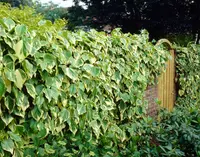
Snail vine, Cochliasanthus caracalla, is a fast-growing, twining climber grown for its unusual spiral flowers and lush green foliage. It is typically used to cover fences, trellises, or arbors in warm climates.

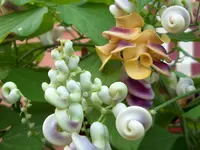
This species is native to tropical regions of Central and South America and thrives in long, warm growing seasons. The flowers often appear in clusters and may be white, cream, or lilac with a sweet fragrance.

It grows quickly in bright light, moderate moisture, and well-drained soil, which makes it rewarding but somewhat demanding in cooler areas. Gardeners who learn how to care for Snail vine usually find it vigorous and responsive to good conditions, but sensitive to cold and poor drainage.

Main Plant Requirements

Care Difficulty

Moderate Care

Light Preference

Full Sun

Water Requirements

Regular Water

Temperature Preference

Tropical / Frost Sensitive

Hardiness Zone

9–11

Soil Texture

Sandy, Loamy, Organic-rich

Soil pH

Acidic (5.5–6.5), Slightly acidic (6.5–7.0)

Soil Drainage

Moist but well-drained

Fertilization

Moderate (every 2–4 weeks)

Get Personalized Care Plan

Scan your plant to receive care tips personalized for your specific plant

Available on iOS and Android

How to Care for the Snail vine

This vigorous twining vine needs abundant light to flower well outdoors.

  • Provide 6–8 hours of direct sun daily, ideally with morning sun and light afternoon shade in hot climates to protect delicate flower buds.
  • Snail vine tolerates bright partial shade (around 4–5 hours sun), but flowering and growth decrease if light drops below this level.
  • Avoid harsh, all-day midsummer afternoon sun in very hot regions, which can scorch leaves; in cooler climates, full sun all day is usually ideal.

This species prefers consistently moist but not waterlogged soil during active growth.

  • Water when the top 3–5 cm of soil feels dry, giving a deep soak so moisture reaches the root zone, then allow excess to drain fully.
  • During peak summer growth, Cochliasanthus caracalla may need more frequent watering, while in cooler months reduce frequency as growth and evaporation slow.
  • Watch leaves for feedback: yellowing, soft foliage suggests overwatering or poor drainage, while limp, dull, or crisp-edged leaves usually indicate underwatering.

This tropical vine grows best in warm, frost-free conditions.

  • Aim for daytime temperatures of 70–85°F (21–29°C) and nights above 60°F (16°C) for strong growth and reliable flowering.
  • Plants are very sensitive to cold; growth stalls below 55°F (13°C), and frost at 32°F (0°C) or lower can kill stems and foliage.
  • In hot regions, short periods up to 95°F (35°C) are tolerated if soil moisture is stable; provide light shade and mulch during intense summer heat.

This species prefers moderately humid air but usually adapts to typical home conditions.

  • Aim for 40–60% humidity to support vigorous vine and flower growth in Snail vine.
  • Leaves curling, browning at edges, or slow new growth can signal humidity stress, especially in heated or air-conditioned rooms.
  • Increase humidity by grouping plants, placing the pot on a pebble tray with water below the pot base, or running a nearby humidifier.

Cochliasanthus caracalla grows best in loose, well-aerated, fast-draining soil that still retains some moisture.

  • Use a loamy mix with high organic matter, such as 2 parts all-purpose potting mix, 1 part compost, and 1 part perlite or coarse sand.
  • Ensure rapid drainage so water does not pool around roots, which quickly increases the risk of rot in warm weather.
  • Target a slightly acidic to neutral pH around 6.0–7.0, which supports nutrient uptake and healthy root development.
  • Avoid heavy clay, compacted ground, or mixes dominated by fine peat that stay waterlogged and limit aeration.

This twining vine is well suited to container growing when given enough root space and support.

  • Choose a wide, heavy container that resists tipping and allows installation of a strong trellis or obelisk for climbing stems.
  • Select a pot deep enough to hold a substantial root mass, typically at least 30–40 cm, to reduce water stress in hot weather.
  • Use a container material that matches your climate, such as thicker ceramic to buffer rapid drying in very sunny, exposed sites.

Cochliasanthus caracalla responds well to moderate feeding that supports vigorous vine and flower production without excessive foliage growth.

  • Use a balanced liquid fertilizer (around 10-10-10 or 20-20-20) at 1/2 strength every 2–4 weeks during spring and summer.
  • Alternatively, apply a slow-release, balanced granular product at the start of the growing season following label rates.
  • In rich garden soil, supplement with a light layer of well-rotted compost once in spring.
  • Stop feeding snail vine in late fall and winter to avoid forcing weak, cold-sensitive growth.

Thoughtful pruning keeps Cochliasanthus caracalla manageable, encourages flowering, and maintains a healthy framework of vines.

  • Carry out main pruning in late winter or very early spring before strong new growth starts.
  • Remove dead, damaged, or crossing stems back to healthy tissue using clean, sharp bypass pruners.
  • Shorten excessively long or tangled vines to control size and direct growth along a trellis or support.
  • After the first flush of blooms, lightly thin crowded stems to improve air flow and light penetration.

This vigorous climber benefits from timely transplanting or repotting to support root health and strong seasonal growth.

  • Check for roots circling the pot, pushing through drainage holes, or water running straight through; these signal a need for a larger container.
  • Plan repotting or outdoor transplanting for spring, once frost risk has passed and active growth begins.
  • Move to a pot only 1–2 in wider with free-draining, fertile mix, keeping the root ball at the same soil level.
  • Water thoroughly after moving, shade for a few days, and avoid heavy feeding until new growth shows reduced transplant shock.

New plants are most often produced from stem cuttings or seeds, both of which root or germinate reliably under warm conditions.

  • Take 10–15 cm softwood or semi-ripe cuttings in late spring or summer and remove lower leaves.
  • Dip cut ends in rooting hormone and place in a moist, free-draining mix under high humidity and bright, indirect light.
  • Sow fresh seeds in spring in a warm (70–80°F), evenly moist seed-starting medium with good airflow.
  • Provide bottom heat if possible and keep seedlings in strong light to prevent weak, elongated growth.

This tropical vine is frost-tender and needs protection in regions with cold winters.

  • In USDA zones colder than 9, treat as an annual outdoors or overwinter plants in containers indoors.
  • Before first frost, cut back vines, dig container specimens, and move them to a bright, cool room above 50°F.
  • Mulch the root zone 5–8 cm deep in mild climates to moderate soil temperature and moisture.
  • Reduce watering strongly in winter, keeping soil just barely moist to prevent root rot while growth is slow.

Care Tips

Early trellis training

Install a sturdy trellis, fence, or wires before the vine takes off in spring, then loosely tie young shoots with soft ties every 20–30 cm to create an even, well-supported framework that can hold the heavy flowering growth later in the season.

Seasonal hardening off

If shifting plants between indoors and outdoors, gradually increase their outdoor exposure over 7–10 days in spring to prevent leaf scorch and shock, especially important when growing Snail vine in containers.

Pinch for branching

Pinch out the soft tips of vigorous young shoots once they reach 30–40 cm to encourage side branches, which produce more flower-bearing stems and create a fuller, denser vine.

Mulch for root comfort

Apply a 5–8 cm layer of organic mulch around the root zone, keeping it a few cm away from the stem, to stabilize soil temperature, reduce evaporation, and support steady growth during hot spells.

Monitor tendril attachment

Check tendrils every few weeks and gently redirect or re-tie stems that are pulling away from supports, preventing wind damage and twisted, stressed shoots that flower poorly.

Common Pests and Diseases

Spider mites

This pest thrives in hot, dry conditions and feeds on leaf sap, causing stippling, bronzing, and fine webbing on foliage. Symptoms include slowed growth and leaves that look dusty or speckled.

Solution

Rinse vines thoroughly with a strong stream of water, including leaf undersides, then increase humidity and reduce heat stress where possible. For persistent infestations, use insecticidal soap or a horticultural oil labeled for mites, repeating treatments every 5–7 days until no new damage appears.

Aphids

These insects cluster on tender shoot tips, flower buds, and the undersides of young leaves, sucking sap and excreting sticky honeydew. Symptoms include curled or distorted new growth and sooty mold growing on the honeydew deposits.

Solution

Prune off heavily infested shoot tips and hose down remaining foliage to dislodge insects. Follow with insecticidal soap or neem oil, applied in the early morning or evening, and encourage beneficial insects such as lady beetles by avoiding broad-spectrum insecticides nearby.

Powdery mildew

This disease appears as white to gray powdery patches on leaves, stems, and sometimes flower stalks, especially in warm days and cool, humid nights. Symptoms include yellowing, premature leaf drop, and reduced flowering.

Solution

Improve air circulation by spacing and training vines so foliage dries quickly, and avoid overhead watering late in the day. Remove and discard heavily infected leaves, then apply a labeled fungicide such as sulfur or potassium bicarbonate at the first sign of mildew, following the product intervals until new growth remains clean.

Anthracnose leaf spot

This disease causes tan to dark brown, sometimes irregular spots on leaves, often with a darker edge and possible shot-hole appearance as tissue falls out. Symptoms include thinning foliage and reduced vigor in wet, warm weather.

Solution

Remove and destroy infected leaves and any fallen debris around the base to reduce reinfection. Water at soil level, avoid splashing, and in severe or recurring cases apply a copper-based or other labeled foliar fungicide during prolonged wet periods, starting early in the season.

Snail and slug damage

These pests chew irregular holes in young leaves and stems, often leaving slime trails on or around the plant. Symptoms include ragged foliage, missing seedlings, and damage concentrated near the soil line or in damp, shaded areas.

Solution

Hand-pick snails and slugs in the evening or early morning, and use barriers such as copper tape or rough diatomaceous earth around the base of vines. In high-pressure situations, place iron phosphate bait stations away from children and pets, and reduce hiding spots by removing dense ground-level debris and keeping mulch thin near stems.

Interesting Facts

Spiral shell flowers

The flowers have tightly coiled, spiral petals that resemble a snail shell, a rare floral form among legumes and the reason for its common name snail vine or snail creeper.

Scent changes with age

Freshly opened flowers often have a strong, sweet, hyacinth-like fragrance that tends to fade or change character as the individual flowers age on the inflorescence.

Confusing plant identity

This species has a complex naming history and was long grown under the name Vigna caracalla, so older references and seed packets may still list that former genus, which can complicate accurate Cochliasanthus caracalla plant care research.

Botan icon

Did you know?

Historical records suggest that Thomas Jefferson grew this species at Monticello in the early 19th century, and he considered it one of the most beautiful climbing plants he cultivated.

FAQs about Snail vine

Lack of flowers usually comes from insufficient light, excess nitrogen fertilizer, or pruning at the wrong time. Allow strong sun, use a balanced or low‑nitrogen feed, avoid heavy midsummer pruning, and keep the root zone evenly moist but not waterlogged.

Grow Healthy Plants with Botan Care

Keep your plants happy and healthy with plant identification, disease detection, and easy care guidance.

Botan plant care app — identify plants on mobile

Explore More Plants