blue mistflower Care (Conoclinium coelestinum)

blue mistflower

About blue mistflower

Blue mistflower, Conoclinium coelestinum, is a perennial wildflower native to eastern and central North America. It typically grows in loose clumps and spreads by rhizomes, forming low colonies over time.

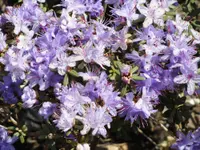
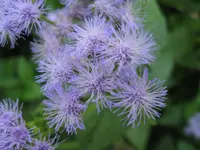
The plant bears soft, fluffy clusters of pale blue to violet flowers from late summer into fall, attracting butterflies and other pollinators. Its foliage is medium green, with triangular, slightly toothed leaves on upright stems.

This species favors moist, well-drained soil and performs best in full sun to light shade. It is generally easy to grow if given enough moisture and space, so gardeners mainly need to manage its spread and care for blue mistflower by controlling unwanted runners.

Main Plant Requirements

Care Difficulty

Easy Care

Light Preference

Partial Sun

Water Requirements

Regular Water

Temperature Preference

Cold Hardy

Hardiness Zone

4–9

Soil Texture

Loamy, Clay, Organic-rich

Soil pH

Acidic (5.5–6.5), Slightly acidic (6.5–7.0)

Soil Drainage

Moist but well-drained

Fertilization

Minimal (feed rarely)

Get Personalized Care Plan

Scan your plant to receive care tips personalized for your specific plant

Available on iOS and Android

How to Care for the blue mistflower

This late-summer perennial grows best with several hours of gentle sun and protection from intense midday heat.

  • Provide 4–6 hours of direct morning sun with light afternoon shade; bright open shade also works in hotter regions.
  • Blue mistflower tolerates partial shade, but flowering and height decrease when it receives less than 3–4 hours of direct or high bright light.
  • In cool, cloudy climates it can handle near full sun, but in hot summers strong afternoon sun can scorch foliage and dry soil too quickly.

This species prefers consistently moist soil but reacts poorly to waterlogged conditions.

  • Water when the top 2–4 cm of soil feels slightly dry, aiming to keep the root zone evenly damp during active growth and flowering.
  • Use soil that drains well yet retains moisture; prolonged standing water causes root rot, yellowing leaves, and weak stems in Conoclinium coelestinum.
  • In hot, dry spells watch for wilting or crispy leaf edges as signs to increase watering; reduce frequency after frost when top growth dies back.

This hardy perennial handles a wide temperature range but grows best in moderate summer conditions.

  • Optimal growth occurs around 70–85°F (21–29°C), with strong stems and flowering when soil stays warm and evenly moist.
  • Established plants tolerate winter lows near 0°F (−18°C) in the ground, dying back to the roots and resprouting in spring.
  • During heat waves above 90°F (32°C), provide extra water and some afternoon shade to prevent stress, leaf scorch, and reduced flowering.

Humidity is rarely critical for this species, which handles typical outdoor air well.

Conoclinium coelestinum prefers moist, well-structured soil that stays aerated and never waterlogged.

  • Use a loamy, organic-rich substrate that holds moisture yet crumbles easily in the hand.
  • Aim for slightly acidic to neutral pH, roughly 6.0–7.0, to support nutrient uptake and root activity.
  • Blend garden soil with compost and a small portion of coarse sand or fine gravel to improve drainage and structure.
  • Avoid heavy, compacted clay or sites where water stands after rain, which encourages root rot and weak growth.

This species adapts reasonably well to container growing outdoors when root space and moisture balance are managed carefully.

  • Choose a wide, medium-deep pot to accommodate its spreading rhizomes and prevent crowding at the edges.
  • Select a heavier material such as ceramic or clay to keep the container stable as the top growth fills out.
  • Raise the pot slightly on feet or bricks so drainage holes stay clear and excess water can escape freely after rainfall or watering.

This adaptable native perennial needs only modest feeding, especially in reasonably fertile garden soil.

  • Use a light top-dressing of compost or a balanced slow-release fertilizer (around 10-10-10) in early spring as new growth emerges.
  • In poorer soils, repeat a light feeding once more in midsummer to support blue mistflower flowering without causing lanky growth.
  • Apply fertilizers at half the label strength to avoid nutrient burn and excessive, floppy stems.
  • Stop feeding in late summer; do not fertilize during fall and winter dormancy.

Pruning Conoclinium coelestinum keeps the clump tidy and supports stronger flowering stems.

  • In late winter or very early spring, cut all old stems down to just above ground level with clean hand pruners.
  • During the growing season, remove dead, damaged, or storm-bent stems to limit disease entry and maintain appearance.
  • Pinch or lightly shear back tall, floppy growth in early summer to encourage bushier plants and more even bloom height.
  • Deadhead spent flower clusters if self-seeding is not desired, cutting back to a healthy leaf node.

This species is usually grown in the ground, so focus on dividing and transplanting clumps rather than frequent repotting.

  • Plan to divide or transplant every 3–4 years when flowering declines or stems become crowded and patchy.
  • Best timing is early spring as new shoots emerge, or early fall while soil is warm and moisture is reliable.
  • Lift clumps with a spade, gently tease or cut apart sections with healthy roots and several buds, and replant promptly.
  • Water thoroughly after transplanting, shade for a few days if conditions are hot, and keep soil evenly moist to limit root stress.

Conoclinium coelestinum is commonly propagated by division, rhizome pieces, or seed in garden settings.

  • Divide established clumps in early spring or early fall, separating vigorous sections with several shoots and replanting immediately.
  • For rhizome pieces, cut 5–8 cm segments with visible buds, plant shallowly in moist, loose soil, and keep evenly watered.
  • Sow fresh seeds outdoors in fall or late winter; natural cold exposure (cold stratification) improves germination.
  • In containers, softwood stem cuttings taken in late spring root in a loose, sterile mix under bright, indirect light and high humidity.

This hardy perennial dies back to the ground and generally needs minimal winter care in most temperate climates.

  • After hard frost, allow stems to brown, then cut them back close to soil level if a tidy look is preferred.
  • Apply a 5–8 cm layer of mulch over the root zone in late fall, especially in colder zones or exposed sites.
  • Container-grown plants benefit from moving pots against a sheltered wall or into an unheated garage to prevent root freezing.

Care Tips

Contain Spreading Roots

Install a shallow root barrier or plant in a bottomless container sunk into the bed to keep its rhizomes from overtaking nearby perennials while still allowing a natural clump to form.

Timed Deadheading Sweep

Once the first main flush of flowers begins to fade, shear back the top 1/3 of stems in one pass to remove spent blooms and encourage a denser second wave of flowering.

Staggered Cutting Back

Cut back only half the clump by 1/3 in late spring and leave the rest untouched so the pruned portion flowers slightly later, extending the overall bloom season for growing blue mistflower.

Support Against Flop

In windy or exposed sites, place low ring supports or discreet stakes around the clump in late spring so the stems can grow up through them and stay upright once heavy with flowers.

Fall Cleanup Strategy

Leave stems standing over winter to provide habitat and then cut them to ground level in late winter before new growth emerges, which reduces disease carryover and keeps the clump tidy.

Common Pests and Diseases

Powdery mildew

This disease commonly develops on blue mistflower foliage in late summer and fall when conditions are warm and humid. Symptoms include white, powdery patches on upper leaf surfaces that can cause leaf distortion and early leaf drop.

Solution

Remove and discard heavily infected leaves to reduce spore load, then improve air circulation by thinning crowded stems and avoiding overhead watering. If needed, apply a sulfur or potassium bicarbonate fungicide labeled for ornamental perennials, starting at the first sign of infection and repeating as directed.

Rust

This disease appears as small orange to brown pustules on the undersides of leaves, often accompanied by yellowing spots above. Symptoms include premature leaf drop and a general decline in plant vigor if infections are heavy.

Solution

Promptly remove and destroy affected leaves and any fallen debris around the plant to limit reinfection. Improve spacing and airflow, irrigate at soil level, and, in severe or recurring cases, use a labeled rust fungicide early in the season when the first spots are noticed.

Leaf spot

This disease causes irregular tan to brown spots on leaves that may have darker margins and can merge into larger dead patches. Symptoms include thinning foliage and cosmetic damage, especially in dense, shaded plantings or during extended wet weather.

Solution

Prune and discard badly affected foliage, then water at the base in the morning so leaves dry quickly. Enhance air movement, avoid high-nitrogen fertilization, and use a copper-based or chlorothalonil fungicide if spotting progresses despite cultural corrections.

Aphids

These insects cluster on young stems and underside of leaves, sucking sap and causing curling or distorted foliage. This pest also excretes sticky honeydew that can attract ants and promote sooty mold growth on blue flowers and leaves.

Solution

Dislodge colonies by spraying plants with a firm stream of water, repeating every few days as needed. For persistent infestations, apply insecticidal soap or neem oil thoroughly to stems and leaf undersides, and encourage natural predators such as lady beetles by avoiding broad-spectrum insecticides.

Spider mites

These pests can appear during hot, dry periods, causing fine stippling and a dull, dusty look to leaves, sometimes with delicate webbing between stems. This pest feeds on plant sap and can lead to bronzing and early leaf drop if not controlled.

Solution

Increase humidity around the planting and regularly hose down foliage, paying attention to leaf undersides to knock mites off the plant. If populations remain high, use horticultural oil or insecticidal soap labeled for mites, applied in repeated treatments to break their rapid life cycle.

Interesting Facts

Late-season nectar source

This species flowers from late summer into fall, providing nectar and pollen for migrating monarchs and many native bee species when many other wildflowers have already finished blooming.

Rhizome-based spread

It forms colonies through shallow rhizomes, which are horizontal underground stems, allowing it to slowly expand patches along stream banks, moist meadows, and woodland edges.

Moist-soil specialist

In the wild it is typically found in periodically wet habitats such as floodplains, drainage ditches, and river margins, showing good tolerance to brief flooding but less tolerance of prolonged drought.

Botan icon

Did you know?

Despite its delicate appearance, this species can tolerate occasional mowing and light trampling in roadside and meadow habitats, then resprout and flower again from its rhizomes later in the growing season.

FAQs about blue mistflower

This species spreads by rhizomes and self-seeding, so it can form dense patches over time. In small gardens, use edging, divide clumps every few years, and remove unwanted seedlings to keep it within bounds.

Grow Healthy Plants with Botan Care

Keep your plants happy and healthy with plant identification, disease detection, and easy care guidance.

Botan plant care app — identify plants on mobile

Explore More Plants