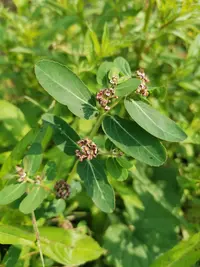
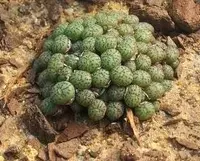
Egg Buttons Care (Conophytum uviforme)

Egg Buttons

About Egg Buttons

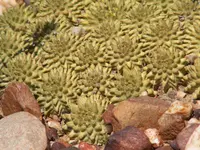
Egg buttons, Conophytum uviforme, is a miniature succulent from the arid regions of South Africa and Namibia. It forms tight clusters of tiny, rounded, grape-like bodies that stay very compact. The plant grows mainly in the cooler season, then rests in summer under a dry papery sheath that protects it from heat and sun. It suits growers who can provide bright light, very sharp-draining mineral soil, and careful watering with long dry periods. With an understanding of how to care for Egg Buttons, this species can be long-lived but is not ideal for those who tend to overwater.

Main Plant Requirements

Care Difficulty

Hard Care

Light Preference

Partial Sun

Water Requirements

Low Water

Temperature Preference

Tropical / Frost Sensitive

Hardiness Zone

10–11

Soil Texture

Sandy, Rocky

Soil pH

Slightly acidic (6.5–7.0), Neutral (7.0)

Soil Drainage

Well-drained

Fertilization

Minimal (feed rarely)

Get Personalized Care Plan

Scan your plant to receive care tips personalized for your specific plant

Available on iOS and Android

How to Care for the Egg Buttons

This compact South African succulent prefers bright but gentle light with protection from intense midday sun.

  • Provide 4–6 hours of morning sun or bright, filtered light, such as an east-facing exposure; brief late-afternoon sun is acceptable in cooler climates.
  • Tolerates light partial shade, but if Egg Buttons elongate, turn pale, or lose their dense clustering, light levels are too low and should be increased gradually.
  • In summer heat, shield from harsh midday sun to prevent leaf scorch; in winter, maximize bright light to support healthy dormancy and flowering.

This winter-growing succulent needs very sparing, seasonal watering and excellent drainage.

  • Use a gritty, fast-draining mix and water only when the top 3–5 cm of soil are completely dry, avoiding any standing water around the roots.
  • From fall to early spring, water lightly, letting the bodies plump but not split; in hot summer dormancy, keep almost dry, giving only occasional sips if plants wrinkle severely.
  • Reduce watering immediately if the leaves become soft, translucent, or mushy, which indicates overwatering; hard, deeply wrinkled leaves that do not recover after a light drink suggest prolonged underwatering.

This species prefers cool to mild temperatures during its active season and does not tolerate hard frost.

  • Aim for 50–70°F (10–21°C) in the main growing period, with slightly cooler nights; short dips outside this range are usually tolerated if soil stays dry.
  • Protect from frost; brief exposure down to about 32°F (0°C) may be survived when completely dry, but repeated or lower freezes can damage or kill the plant.
  • In hot weather above 85°F (29°C), provide shade, airflow, and very dry soil to help the plant stay dormant and avoid heat stress or rot.

Humidity is not a major factor for this compact succulent, which prefers dry air.

  • Aim for 30–40% humidity, similar to a dry indoor room or arid outdoor climate.
  • Egg Buttons tolerate very dry air; problems arise more from excess moisture than from low humidity.
  • Watch for soft, translucent bodies or mold around the stem line as signs of too much atmospheric moisture and improve air movement if seen.

This species needs a very fast-draining, mineral-rich mix that dries quickly after watering.

  • Use a gritty blend such as 70–80% inorganic material (pumice, coarse sand, fine gravel) with 20–30% lean cactus mix.
  • Ensure water drains through in seconds rather than minutes to avoid root rot and splitting of the bodies.
  • Keep pH slightly acidic to neutral, around 6.0–7.0, which suits most ready-made cactus substrates.
  • Avoid peat-heavy, compact, or moisture-retentive mixes that stay wet and reduce aeration around the fine roots of Conophytum uviforme.

This species is very suitable for container growing due to its compact, shallow root system.

  • Use a wide, shallow pot so the thin roots spread laterally while the mix still dries rapidly.
  • Choose unglazed clay if extra evaporation is needed in cool or humid climates to prevent substrate staying wet.
  • Elevate the pot or use pot feet so drainage holes stay clear and excess water leaves the container immediately after watering.

Conophytum uviforme is adapted to very lean soils and needs only minimal feeding under cultivation.

  • Use a very dilute balanced liquid cactus fertilizer (around 1/4 strength) with low nitrogen during active growth in fall.
  • Apply once after plants break dormancy and, at most, once more mid-season; avoid feeding in full summer and mid-winter dormancy.
  • Water lightly with the diluted solution on already moist substrate to avoid root burn on these small Egg Buttons.
  • Skip compost and slow-release pellets, which can release too many nutrients and retain excess moisture around the roots.

Conophytum uviforme requires almost no true pruning, only light grooming to keep the clump healthy.

  • In late summer, before new growth starts, gently remove dried outer leaf sheaths by hand to expose fresh bodies.
  • Pick off any dead, shriveled, or moldy heads with sterile tweezers to prevent rot spreading through the cluster.
  • Avoid cutting healthy tissue; dense, untouched clusters maintain the plant’s natural dome shape and flowering performance.

This species grows slowly and dislikes frequent disturbance, so repot only when clearly necessary.

  • Repot every 3–5 years or when the clump reaches pot edges, growth stalls, or roots circle the drainage holes.
  • Best timing is early fall, just before active growth, so roots can reestablish while conditions are cool and bright.
  • Use a shallow pot and very gritty, fast-draining mix; gently tease roots apart and remove old, compacted substrate.
  • Minimize root stress by keeping old soil around the root ball, watering lightly once, then allowing several days of rest.

Conophytum uviforme is typically propagated by division of mature clumps, with seed used for larger-scale growing.

  • Divide in early fall when new growth begins; carefully break off multi-headed segments with intact roots.
  • Replant divisions in a coarse, sterile, barely moist mix, leaving a small gap around each head for airflow.
  • Keep in bright, indirect light at 60–70°F, watering sparingly until firm new growth shows that rooting has occurred.
  • Sow fresh seed on the surface of fine gritty mix, maintain gentle bottom warmth and very light, even moisture.

For most indoor collections, winter care focuses on cool, bright conditions and controlled watering rather than heavy protection.

  • Keep plants cool but above freezing, ideally 40–55°F; Conophytum uviforme is not frost hardy outdoors in cold climates.
  • Grow Conophytum uviforme on a bright windowsill or under lights, away from icy drafts and condensation on glass.
  • Water very lightly during its winter-growing phase, allowing mix to dry almost fully between drinks to prevent rot.

Care Tips

Summer dormancy handling

During summer dormancy, move pots to a very bright but sun-sheltered spot and keep them completely dry, only misting the soil surface very lightly if the bodies wrinkle severely.

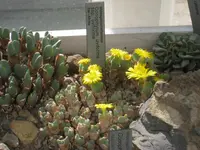
Winter watering control

In the active cool season, use a soft artist’s brush or small pipette to direct water precisely to the soil between the heads so the leaf bodies stay dry and less prone to rot.

Tight cluster management

If the clump becomes too crowded, gently divide it just after the first fall watering, when roots are starting to grow but the old sheath is still somewhat protective of the leaf bodies.

Mineral mulch use

Top-dress with a 0.5–1 cm layer of fine grit or pumice to stabilize the plant, keep leaf bases dry, and reduce algae or moss that can suffocate the neck of each head.

Container depth choice

Use a shallow but wide pot to accommodate the horizontal spread of the cluster while allowing the root system to fill the container quickly, which improves drying speed and overall control when growing Egg Buttons.

Common Pests and Diseases

Mealybugs

This pest feeds in the leaf fissures and at the base of the plant, sucking sap and causing yellowing, softening, and distorted new growth. Symptoms include white, cotton-like clusters that are most visible in the cracks between the paired heads and around old flower remains.

Solution

Quarantine the plant, then remove visible mealybugs with a cotton swab dipped in 70% isopropyl alcohol and gently flush crevices with a strong, but controlled, jet of water. Allow the plant to dry in bright, airy shade and repeat spot treatments weekly until no new insects appear; for persistent infestations, use a labeled systemic insecticide suitable for succulents, applied at low strength at the start of the cool growing season as part of careful Conophytum uviforme care.

Root mealybugs

These insects attack the roots and underground stem, causing slow decline, shriveling heads, and poor response to watering. Symptoms include white cottony masses on the roots and around the neck of the plant when removed from the pot.

Solution

Unpot the plant, gently shake off all soil, and rinse the root system under lukewarm running water, then remove any heavily infested or dead roots. Soak the cleaned roots briefly in a dilute systemic insecticide or 70% isopropyl alcohol solution, allow them to dry for 24 hours, and then replant in fresh, sterile, very gritty mix, monitoring with periodic unpotting checks during the following season.

Spider mites

This pest can appear in hot, very dry indoor conditions, causing fine stippling, dull or bronzed skin, and tiny webbing between the paired heads. These insects damage the epidermis, which can lead to permanent scarring on the small spherical bodies.

Solution

Increase air movement and slightly raise humidity around the plant without wetting the bodies frequently, then wash the plant gently with a soft brush and lukewarm water to remove mites and webs. If activity continues, apply a targeted miticide or insecticidal soap at reduced strength during the plant’s active period, repeating at label intervals until new growth appears clean.

Fungal leaf spot

This disease affects the epidermis of the leaf pairs, leading to small, sunken, brown or dark spots that may merge into irregular patches. Symptoms include cosmetic scarring that often starts after water sits on the plant surface in warm conditions.

Solution

Remove old, badly damaged heads at the next normal splitting period and avoid overhead watering, especially in warm evenings. Improve airflow, keep the plant on a gritty, free-draining top dressing, and if spotting continues, use a low-dose, broad-spectrum fungicide suitable for succulents during the cool active season while allowing the plant to dry quickly after any moisture exposure.

Soft bacterial rot

This disease usually begins at wounds or the fissure line and spreads rapidly in warm, humid conditions, causing translucent, mushy tissue with a foul smell. Symptoms include sudden collapse of one or more heads while neighboring heads may still look firm initially.

Solution

Isolate the plant immediately, cut away all soft tissue with a sterile blade back to firm, healthy tissue, and dust the wounds with dry sulfur or a copper-based fungicide/bactericide powder. Allow the plant to dry in a warm, airy place for several days before very light watering resumes, and prevent recurrence by avoiding injury, keeping the crown dry, and reducing moisture during warm dormant periods.

Interesting Facts

Stone-like seasonal body

This species survives intense summer drought in South African winter-rainfall regions by letting its outer leaf-pair dry into a thin, papery shell that protects the new body forming inside.

Grape cluster growth

Mature plants often form tight, dome-shaped clusters of many small, rounded heads that resemble a bunch of miniature green grapes, which is the origin of its common name egg buttons or grape conophytum.

Night-scented autumn flowers

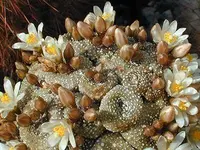
It produces narrow, strap-petaled flowers in autumn that open mainly in the evening and often have a sweet fragrance, an adaptation linked to pollination by nocturnal or crepuscular insects in its native habitat.

Botan icon

Did you know?

Natural populations of Conophytum uviforme are highly localized on rocky outcrops in parts of South Africa and Namibia, and some subpopulations are now considered at risk in the wild due to habitat disturbance and over-collection by succulent enthusiasts.

FAQs about Egg Buttons

Lack of flowers usually comes from too-warm summer rest, excess watering in the dormant period, or insufficient light in the active season. This species needs a cool, dry dormancy and strong light cycles to set buds reliably.

Grow Healthy Plants with Botan Care

Keep your plants happy and healthy with plant identification, disease detection, and easy care guidance.

Botan plant care app — identify plants on mobile

Explore More Plants