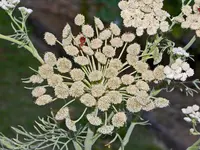
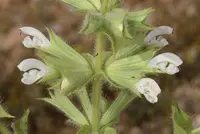
false rosemary Care (Conradina canescens)

false rosemary

About false rosemary

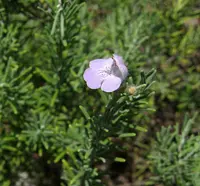
False rosemary, Conradina canescens, is a small, woody, evergreen shrub from the mint family. It forms low, bushy mounds with many slender, upright stems.

The narrow, gray-green leaves are aromatic and resemble true rosemary, but the plant is a distinct species. Soft, pale hairs on the leaves and stems give it a silvery look.

In nature it grows on sunny, sandy scrub and coastal dunes in the southeastern United States. This origin explains its strong tolerance for heat, wind, and poor, fast-draining soils.

These traits make it relatively easy to grow for gardeners who provide sharp drainage and plenty of light. Understanding how to care for false rosemary starts with avoiding heavy, wet soils and deep, frequent watering.

Main Plant Requirements

Care Difficulty

Moderate Care

Light Preference

Full Sun

Water Requirements

Low Water

Temperature Preference

Warm Climate

Hardiness Zone

8–10

Soil Texture

Sandy, Rocky

Soil pH

Slightly acidic (6.5–7.0), Neutral (7.0)

Soil Drainage

Well-drained

Fertilization

Minimal (feed rarely)

Get Personalized Care Plan

Scan your plant to receive care tips personalized for your specific plant

Available on iOS and Android

How to Care for the false rosemary

This sun-loving coastal shrub thrives in bright, open sites with plenty of direct light.

  • Provide 6–8 hours of direct sun daily; morning and midday sun suit false rosemary best in most climates.
  • It tolerates light afternoon shade, especially in hotter regions, but dense shade leads to weak, leggy growth and sparse flowering.
  • In summer, monitor for leaf scorch on highly reflective sites; in winter, ensure an unobstructed southern exposure to maintain compact growth.

This species prefers dry, sandy conditions and is sensitive to excess moisture around the roots.

  • Allow the top 3–5 cm of soil to dry fully before watering, then soak and let excess drain away quickly.
  • During hot, dry periods, water when foliage begins to dull or stems feel less firm; in cool seasons, watering may be rarely needed outdoors.
  • Watch for yellowing, soft stems, or a sour soil smell as signs of overwatering; crisp, browning tips with very dry soil suggest underwatering in Conradina canescens.

This coastal mint relative is adapted to warm, dry climates with mild winters and good air movement.

  • Ideal growth occurs around 65–85°F (18–29°C), with best flowering in consistently warm conditions and low humidity.
  • Mature plants can survive brief drops to about 15–20°F (-9 to -6°C) if soil drains well, but young plants are more cold-sensitive.
  • It tolerates heat up to 95–100°F (35–38°C) if soil stays dry between waterings; repeated hard frosts or freeze–thaw cycles can cause stem dieback.

This species prefers dry air and humidity is rarely a concern indoors or outdoors.

This species thrives in very free-draining, sandy mineral substrates.

  • Use a mix of roughly 60–70% coarse sand or fine grit with 30–40% lean potting mix to mimic its native scrub habitat.
  • Ensure extremely sharp drainage; water must pass through the profile within seconds rather than pooling on the surface.
  • Keep pH slightly acidic to neutral, around 6.0–7.0, and avoid heavy organic amendments that hold moisture.
  • For Conradina canescens care in containers, raise the soil level slightly in a mound or use a sloped surface to prevent water collecting at the crown.

This species is suitable for container growing if the pot is configured for fast drainage and lean conditions.

  • Choose a wide, shallow pot to accommodate its spreading woody roots while keeping the mix quick-drying near the surface.
  • Select unglazed clay to increase evaporation and reduce the risk of root issues after heavy rain or deep watering.
  • Elevate the container on pot feet or bricks to keep drainage holes clear and avoid water backing up into the root zone.

This coastal shrub, often called false rosemary, needs only light feeding in typical sandy, well-drained soils.

  • Use a low-dose, balanced slow-release fertilizer (around 10-10-10) or a thin layer of compost in early spring.
  • Feed once per growing season in poor or very sandy soils; skip feeding on rich or amended sites.
  • Apply at half the label rate, kept off stems, and water in lightly to avoid root burn.
  • Do not fertilize in late fall or winter, as extra nutrients can push tender, cold-sensitive growth.

Pruning helps Conradina canescens maintain a dense, tidy form and encourages new flowering shoots.

  • Best time is late winter to very early spring, before strong new growth starts.
  • Use clean, sharp hand pruners to remove dead, damaged, or winter-burned stems back to healthy tissue.
  • Lightly shorten leggy or sprawling shoots to keep a compact mound and improve branching.
  • Avoid cutting into very old, woody parts; focus on younger stems to sustain flowering.

This species is usually grown in the ground, so focus on careful transplanting rather than frequent repotting.

  • Transplant in late winter or early spring when temperatures are mild and soil is workable.
  • Choose a sunny site with sharply drained, sandy soil to mimic its native habitat.
  • Move plants only when necessary; lift with a wide root ball and handle roots gently to limit stress.
  • Water in once after transplanting, then allow soil to dry between light waterings to prevent rot.

New plants are most reliably produced from semi-ripe cuttings of Conradina canescens rather than from seed.

  • Take 7–10 cm semi-ripe tip cuttings in late spring or summer from non-flowering shoots.
  • Strip lower leaves and insert cuttings into a very free-draining mix of sand and perlite or sandy compost.
  • Maintain bright light without direct midday sun, 65–75°F, and consistently slightly moist, not wet, medium.
  • Optional rooting hormone at the cut end can improve success and speed root formation.

This coastal shrub is fairly cold tolerant in its native range and usually needs minimal winter care in mild climates.

  • In areas below about 20°F, apply a light, dry mulch around the root zone, keeping it off the stems.
  • Avoid wet, heavy soils in winter, as prolonged saturation increases root rot risk.
  • Container plants in colder regions can be moved to an unheated, bright, frost-free space.

Care Tips

Sandier topdressing

Add a 1–2 cm layer of coarse sand or fine gravel around the plant crown to keep stems dry at the base and reduce the risk of rot in humid or rainy climates.

Light renewal pruning

Every 2–3 years, remove a few of the oldest, woodiest stems at ground level after flowering to maintain a compact shape and encourage fresh, leafy growth from the base.

Heat and drought staging

In very hot, dry periods, avoid any soil disturbance around the shallow root zone and use only a thin, mineral mulch so the plant tolerates heat without becoming waterlogged.

Strategic companion placement

Plant near other low-water, sun-loving Mediterranean herbs to create a uniformly dry zone, which helps stabilize soil moisture and simplifies Conradina canescens care.

Cutting selection timing

Take short, semi-ripe tip cuttings from non-flowering shoots in late spring or very early summer, which root more reliably and help keep the plant naturally dense when you grow Conradina canescens.

Common Pests and Diseases

Spider mites

This pest is favored by hot, dry, sandy conditions and can cause fine stippling, leaf bronzing, and webbing on stems and foliage.

Solution

Rinse stems and foliage with a firm spray of water to knock mites off, then increase humidity slightly around container plants without keeping soil wet; if needed, apply insecticidal soap or a light horticultural oil, making sure to coat undersides of leaves and repeat treatments every 7–10 days until activity stops.

Scale insects

These insects appear as small, fixed bumps on stems and woody parts and can cause yellowing, stunting, and sticky honeydew deposits.

Solution

Prune out heavily infested twigs, then gently scrape or wipe remaining scales off with a cotton pad dipped in 70% isopropyl alcohol; for larger infestations on ornamental plantings, use a low-rate horticultural oil spray to smother crawlers, applied in mild temperatures with good air movement.

Leaf spot

This disease causes scattered tan to brown spots on older leaves, sometimes with a slightly darker margin, and may lead to premature leaf drop in humid or crowded plantings.

Solution

Remove and discard affected leaves and any dense, congested stems to improve airflow, then avoid wetting the foliage when watering; if spotting continues and plants are valuable landscape specimens, apply a broad-spectrum fungicide labeled for ornamental herbs during extended humid periods, following label directions closely.

Stem blight

This disease leads to sudden wilting and browning of individual stems, often starting at a damaged or shaded section and progressing downward.

Solution

Cut back affected stems well into healthy green tissue and dispose of all infected material, then reduce overhead irrigation, improve drainage, and thin plants so bases dry quickly; in beds with recurring issues, rotate planting spots and avoid heavy organic mulches that hold moisture against the stems.

Interesting Facts

Endemic dune specialist

This species naturally occurs only along the Gulf Coast of the Florida and Alabama panhandle, where it is restricted to scrub and coastal sandhill habitats on deep, well-drained, nutrient-poor sands.

Aromatic insect deterrent

The foliage releases a strong resinous scent rich in terpenoids, which helps deter herbivorous insects and reduces grazing pressure in its harsh native environment.

Sand-stabilizing subshrub

Its low, spreading, woody growth habit and fibrous root system help stabilize shifting sands, making it an important structural component of coastal scrub plant communities.

Botan icon

Did you know?

Genetic and morphological studies have shown that this species is part of a small, narrowly distributed genus that likely evolved in the specialized scrub habitats of the southeastern United States, illustrating how geographic isolation and extreme sandy environments can drive plant diversification.

FAQs about false rosemary

Sparse or absent flowers usually result from insufficient light, nutrient-rich or wet soil, or heavy pruning at the wrong time. This species flowers best in lean, well-drained conditions with strong sun and minimal fertilization.

Grow Healthy Plants with Botan Care

Keep your plants happy and healthy with plant identification, disease detection, and easy care guidance.


Botan plant care app — identify plants on mobile

Explore More Plants