Establish wind firmness
In exposed sites, head back the young plant by 25–30% after planting to encourage low, branching growth that better resists wind and reduces the risk of breakage as it matures.

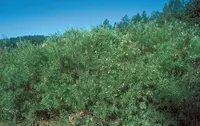
Bebb willow (Salix bebbiana) is a hardy deciduous shrub or small tree native to northern North America, often found along streams, wetlands, and moist lowlands. It typically forms dense, multi-stemmed thickets with narrow, gray-green leaves and fuzzy catkins in spring.
This species grows quickly and tolerates cold, wind, and poor, wet soils, which makes it useful for wildlife habitat and erosion control. It prefers full sun and consistently moist ground, so anyone wanting to care for Bebb willow should provide a damp, open site with room for its spreading habit.

Care Difficulty
Moderate Care

Light Preference
Full Sun

Water Requirements
Keep Soil Moist

Temperature Preference
Cold Hardy

Hardiness Zone
1–8

Soil Texture
Sandy, Loamy, Silty

Soil pH
Acidic (5.5–6.5), Slightly acidic (6.5–7.0)

Soil Drainage
Waterlogged tolerant

Fertilization
Minimal (feed rarely)
Scan your plant to receive care tips personalized for your specific plant
Available on iOS and Android
This cold-hardy shrub thrives in open sites with strong light and can handle a wide range of sun exposures.
This species is naturally adapted to moist to wet soils and prefers consistently damp conditions without prolonged drying.
This willow is very cold-hardy and tolerates a broad temperature range once established outdoors.
This willow tolerates a wide humidity range and usually does not need special humidity management outdoors.
Salix bebbiana thrives in moist, deep soils but adapts if the root zone stays consistently damp.
This species can be grown in containers short term, but it is better suited to in-ground planting for long-term growth.
This native willow usually needs minimal feeding in the ground but responds well to light fertilization in poor soils or containers.
Thoughtful pruning keeps Salix bebbiana healthy, manageable in size, and structurally strong.
This willow is usually grown in the ground, so management focuses on transplanting young trees rather than frequent repotting.
Salix bebbiana is most often propagated from cuttings, which root fast under suitable moisture conditions.
This willow is very cold hardy and usually needs little special winter care once established in the landscape.

Plant Health Check
Not sure what's wrong with your plant? Check your plant's health inside the app.
Bebb willow frequently forms natural hybrids with related willow species, especially Salix discolor and Salix petiolaris, which can create stands where individual plants are difficult to identify without close botanical examination.
This shrub is a characteristic component of northern fens and bog margins, where its dense root system stabilizes wet organic soils and helps trap sediments along stream and lake edges.
Bebb willow is naturally adapted to very cold regions of North America, remaining common across boreal forests and subarctic zones where many other broadleaf shrubs cannot persist.

Arctic and boreal herbivores such as moose and snowshoe hares rely heavily on Bebb willow as a winter food source, and its repeated browsing tolerance makes it an important long-term forage resource in northern ecosystems.
This species spreads readily by seed and suckering roots, forming dense thickets if unmanaged. In open, moist ground it can expand beyond the original planting. Root barriers, regular thinning, and strategic pruning help limit unwanted spread.
Keep your plants happy and healthy with plant identification, disease detection, and easy care guidance.