Trooping Crumble Cap Care (Coprinellus disseminatus)

Also known as: Fairy Inkcap
Trooping Crumble Cap

About Trooping Crumble Cap

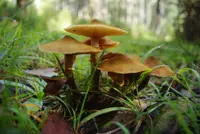
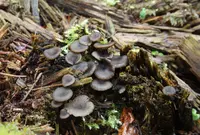
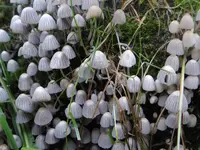
Trooping crumble cap, Coprinellus disseminatus, is a small saprophytic mushroom that grows in dense clusters on decaying wood and buried roots. It forms carpets of tiny, pale gray to beige caps with slender stems. Unlike many mushrooms, its clusters can include hundreds of fruiting bodies at once, creating a soft, cloud-like appearance on stumps, logs, or woodland edges. It naturally occurs in temperate forests and shaded gardens, often appearing after rain where woody debris is present. This species is not cultivated like common edible mushrooms, so attempts to care for Trooping Crumble Cap focus mainly on providing consistently moist, shaded, wood-rich conditions rather than traditional plant-style care.

Main Plant Requirements

Care Difficulty

Moderate Care

Light Preference

Shade

Water Requirements

Keep Soil Moist

Temperature Preference

Cool Climate

Hardiness Zone

Unknown

Soil Texture

Loamy, Silty, Organic-rich

Soil pH

Acidic (5.5–6.5), Slightly acidic (6.5–7.0)

Soil Drainage

Moist but well-drained

Fertilization

Minimal (feed rarely)

Get Personalized Care Plan

Scan your plant to receive care tips personalized for your specific plant

Available on iOS and Android

How to Care for the Trooping Crumble Cap

This small saprobe thrives in shaded, moist woodland settings with very limited direct sun.

  • Provide dappled or filtered light under trees or shrubs, with 0–2 hours of weak morning sun and no harsh afternoon sun exposure.
  • Choose sites that stay bright enough to see fine detail but never receive strong, open midday sun, which quickly dries the substrate and shortens fruiting of Trooping Crumble Cap.
  • In summer, favor deeper shade or north-facing aspects; in cooler seasons, slightly more indirect light is acceptable as long as the substrate does not bake or crust.

This fungus relies on consistently moist, not waterlogged, organic substrate to form healthy fruiting clusters.

  • Maintain evenly moist leaf litter or decaying wood; the surface should feel damp when pressed but not have standing water or a sour smell.
  • Increase moisture during dry or windy weather by gently soaking the surrounding organic matter, allowing excess water to drain away through the soil profile.
  • Reduce supplemental moisture in cool, wet seasons to avoid stagnant, anaerobic conditions, which promote rot and reduce Coprinellus disseminatus fruiting.

This species fruits best in cool to mildly warm conditions and declines in temperature extremes.

  • Aim for 55–70°F (13–21°C) for most vigorous fruiting, with short flushes still possible from about 45–75°F (7–24°C).
  • Protect colonies from frost; temperatures below 32°F (0°C) damage or clear existing fruiting bodies, though buried mycelium may survive and fruit again in milder weather.
  • Limit exposure to prolonged heat above 80°F (27°C), which quickly desiccates substrates; provide extra shade and moisture during hot, dry spells to sustain the mycelium.

This fungus fruits best in consistently moist, high-humidity environments and declines quickly in dry air.

  • Aim for 70–90% humidity around developing clusters to keep caps from drying and collapsing prematurely.
  • Low humidity causes rapid shriveling, pale caps, and aborted Trooping Crumble Cap clusters soon after emergence.
  • Maintain high humidity outdoors by using thick organic mulch and misting the substrate surface during dry, windy periods.

Coprinellus disseminatus develops fruiting clusters on consistently damp, organic-rich substrates rather than mineral garden soil.

  • Use a loose, humus-rich base such as well-rotted wood chips, leaf mold, or decomposed bark that stays evenly moist.
  • Ensure excess water can drain away; avoid compacted clay or standing water that can limit air around the decomposing wood and mycelium.
  • A slightly acidic to neutral reaction around pH 5.5–7 suits this species on rotting wood or woody mulch beds.
  • Improve aeration by mixing coarse bark, twiggy debris, or chunky mulch pieces instead of fine, dense compost-only layers.

This species is not well suited to controlled container growing and is better encouraged on outdoor rotting wood or mulch beds.

This wood-decaying fungus usually gains enough nutrients from its substrate, so caring for Trooping Crumble Cap seldom involves added fertilizer.

Pruning Coprinellus disseminatus is not part of normal care, as each fruiting body is short-lived and replaced naturally.

This species is rarely grown in containers; focus on managing the decaying wood or substrate rather than classic repotting.

  • Transplant only when moving colonized wood or substrate that bears the fungus, not individual mushrooms.
  • Choose cool, moist weather to shift substrate so mycelium faces less drying and heat stress.
  • Lift and relocate substrate gently, keeping colonized wood or chips intact to preserve the fine mycelial network.
  • Rewater the new site lightly and maintain shade and humidity to support re-establishment.

Propagation of Coprinellus disseminatus for home culture is specialized and not commonly attempted by casual growers.

Coprinellus disseminatus is generally hardy outdoors and needs no dedicated winter care in typical temperate gardens.

Care Tips

Use Decaying Wood

Establish colonies on well-rotted hardwood logs or buried branches rather than only on loose mulch, as stable woody substrates give more consistent, repeatable fruiting over several seasons when growing Trooping Crumble Cap.

Manage Moisture Pulses

Simulate natural rain events by giving the substrate a deep soak and then allowing surface drying, which encourages synchronized fruiting flushes instead of scattered, weak clusters.

Create Shaded Microclimate

Maintain a cool, shaded microclimate with leaf litter or coarse bark over the colonized area to buffer rapid temperature swings and keep the mycelium from drying during hot or windy periods.

Avoid Heavy Disturbance

Mark and protect colonized patches from foot traffic, frequent raking, or digging, since physical disruption of the upper 5–10 cm of substrate can break mycelial networks and sharply reduce fruiting.

Monitor Competing Fungi

Inspect the substrate regularly for aggressive competitor fungi or moldy patches and remove heavily overgrown sections of wood or mulch, then replace them with fresh, partially decomposed hardwood material to keep the Trooping Crumble Cap colony dominant.

Common Pests and Diseases

Fungivorous springtails

These insects feed on fungal tissue and can graze on dense clusters of fruiting bodies, especially in very damp substrates. This pest is most noticeable as small, jumping white or gray dots moving over the mushroom colony.

Solution

Reduce excess surface moisture by improving drainage and ventilation around the substrate and avoid constant waterlogging. If populations are high, physically remove heavily infested substrate patches, use sticky traps to monitor numbers, and allow the surface to dry slightly between waterings while keeping the underlying culture just moist enough for growing Trooping Crumble Cap.

Fungus gnat larvae

This pest lives in moist, organic substrates and the larvae feed on mycelium and developing primordia, which can reduce or distort fruiting. Adults appear as small dark flies hovering near the growing container or bed.

Solution

Let the top layer of the substrate dry slightly between irrigations, remove decaying plant debris, and use yellow sticky cards to capture adults. For heavier infestations, apply a biological control such as Bacillus thuringiensis israelensis (BTi) according to label directions to reduce larvae without harming the fungal culture.

Mite grazing

These insects, often called mycophagous mites, feed on mycelium and young caps, leading to patchy or stunted mushroom clusters. Symptoms include uneven emergence, deformed fruiting bodies, and fine, moving specks on the substrate or stems.

Solution

Quarantine any affected culture, discard heavily infested blocks or trays, and clean nearby surfaces to remove stray mites. For valuable outdoor or container cultures, encourage good hygiene, avoid introducing contaminated compost or straw, and consider using predatory mites supplied by biocontrol suppliers if grazing is persistent.

Green mold contamination

This disease, often caused by Trichoderma species, competes aggressively with the mycelium and appears as dense white growth that rapidly turns green and powdery. Symptoms include stalled mushroom formation and areas where the fungus is overrun by green patches.

Solution

Promptly remove and discard contaminated substrate, including a buffer zone around visible mold, to limit spore spread. Improve hygiene by sterilizing or thoroughly cleaning tools and containers, use well-pasteurized or sterilized substrate, and maintain moderate, not excessive, moisture and good air exchange to favor Coprinellus disseminatus care instructions over mold growth.

Bacterial blotch

This disease develops in overly humid, stagnant air conditions and causes water-soaked, slimy spots on caps that may discolor and collapse. Symptoms include an unpleasant odor and rapid breakdown of affected fruiting bodies under persistent surface moisture.

Solution

Lower surface moisture by reducing direct misting on the caps, increase air movement, and keep humidity high but not condensing on mushrooms. Remove and discard affected clusters promptly, disinfect tools between uses, and avoid splashing water from contaminated areas onto healthy fruiting bodies.

Interesting Facts

Mass fruiting clusters

This species often produces thousands of tiny fruiting bodies in dense clusters, all arising from a shared underground network of hyphae that decomposes buried wood and leaf litter.

Non-deliquescing inkcap

Unlike many former Coprinus relatives, its caps do not liquefy into black ink; instead they simply dry and collapse, which is why it was moved into the genus Coprinellus based on morphological and DNA evidence.

Short-lived but recurrent

Each flush of mushrooms lasts only a few days, but the underlying mycelium can persist in the same woody substrate and fruit repeatedly whenever moisture and temperature conditions are favorable.

Botan icon

Did you know?

Molecular studies have shown that this species forms part of a distinct lineage within the so-called inkcap mushrooms, helping clarify evolutionary relationships among several small, grey-bodied saprotrophic fungi that were previously lumped together based mainly on their appearance.

FAQs about Trooping Crumble Cap

This species can spread quickly by releasing large numbers of spores, forming dense clusters on decaying wood or rich organic debris. In managed gardens it is usually short-lived and not considered structurally damaging to plants or hardscape.

Grow Healthy Plants with Botan Care

Keep your plants happy and healthy with plant identification, disease detection, and easy care guidance.


Botan plant care app — identify plants on mobile

Explore More Plants