Salt-Wind Hardening
Before planting near the coast, gradually expose nursery plants to increased wind and salt spray over 2–3 weeks so new growth thickens and avoids leaf burn once sited permanently.

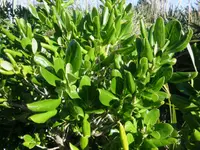
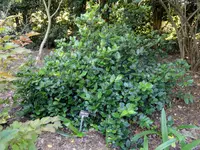
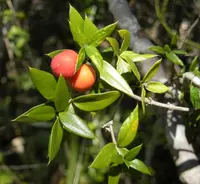
Taupata (Coprosma repens) is an evergreen shrub or small tree known for its dense, glossy foliage and compact, bushy growth. It often forms a rounded mound and can be neatly clipped. Native to coastal areas of New Zealand, it is adapted to wind, salt spray, and poor, sandy soils, which makes it useful in exposed gardens and seaside landscapes. The leaves are thick and leathery, helping the plant tolerate drought and strong sun. Small, inconspicuous flowers are followed by bright berries that add seasonal interest. Because it is tough and forgiving, many gardeners find it relatively straightforward to care for Taupata in mild climates with well-drained soil.

Care Difficulty
Moderate Care

Light Preference
Full Sun

Water Requirements
Moderate Water

Temperature Preference
Warm Climate

Hardiness Zone
9–11

Soil Texture
Sandy, Loamy, Organic-rich

Soil pH
Slightly acidic (6.5–7.0), Slightly alkaline (7.0–7.5)

Soil Drainage
Well-drained

Fertilization
Minimal (feed rarely)
Scan your plant to receive care tips personalized for your specific plant
Available on iOS and Android
Coprosma repens grows best in bright, open sites with some protection from harsh afternoon sun.
Coprosma repens prefers evenly moist, free-draining soil that is allowed to dry slightly between waterings.
This coastal shrub prefers mild, frost-free conditions but copes with a reasonable range once established.
This coastal shrub handles a wide humidity range but grows best with moderate moisture in the air.
This plant prefers loose, well-aerated soil that drains quickly yet holds some moisture.
This species is well-suited to container growing outdoors on patios, balconies, or small gardens.
Coprosma repens responds well to modest feeding during active growth but tolerates lean soils.
Pruning Coprosma repens helps maintain a dense, tidy form and removes weak growth.
Coprosma repens in containers or young landscape plants benefit from occasional repotting or transplanting.
New Coprosma repens plants are most commonly raised from semi-ripe stem cuttings.
Coprosma repens is only moderately frost tolerant and benefits from some winter protection in colder regions.

Plant Health Check
Not sure what's wrong with your plant? Check your plant's health inside the app.
This coastal shrub thrives in salty sea spray and sandy soils, showing strong salt tolerance that allows it to dominate exposed shorelines where many other woody plants cannot survive.
Its very shiny, thick leaves have a waxy surface that reduces water loss and protects tissues from wind, salt, and intense sunlight common in coastal habitats.
The plant produces small, orange to red fleshy drupes that are eaten by birds, which then disperse the seeds over long distances along coasts and nearby inland areas.

In its native New Zealand, this species often forms dense, wind-sheared coastal scrub that works as a natural windbreak and stabilizes dunes, playing a key role in protecting shorelines from erosion.
Brown leaves usually result from underwatering, salt-laden wind, or fertilizer burn. Check soil moisture, flush excess salts with plain water, and protect from harsh coastal winds. Remove badly damaged foliage to reduce stress and encourage new growth.
Keep your plants happy and healthy with plant identification, disease detection, and easy care guidance.