


7 min read · 24 Aug 2026
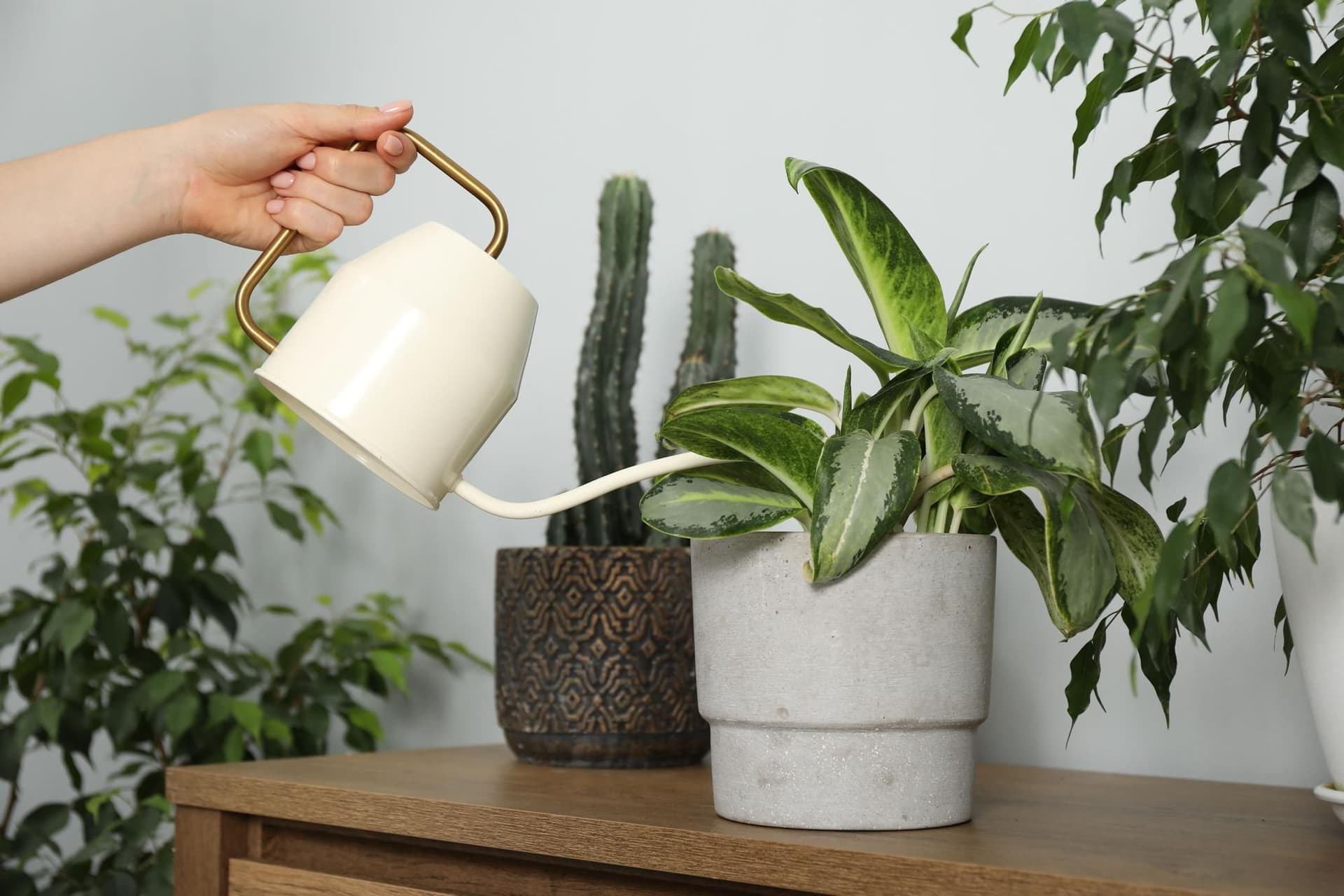
How to Water Houseplants: Watering Guide
Learn how often to water indoor plants, key factors for proper watering, and how to adjust the care routine by plant type, season, pot size, light, and indoor conditions.
Plant Care


jute grows best in full sun, with long daily exposure and several hours of direct sunlight.

Light Preference
Full Sun
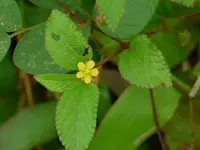
In natural and self-sown settings, Corchorus aestuans is usually found in warm, open, disturbed ground, field margins, and sunny cultivated areas where taller cover is limited. These exposed habitats give it long days of direct sun during active growth, rather than steady shade or filtered woodland light. Cultivation should reflect those open conditions. Preferred light is full sun for reliable growth.
jute needs about 6–8 hours of full sun daily, including at least 6 hours of direct sun when temperatures are suitable.
Established plants tolerate strong outdoor sun, especially when exposure is increased gradually after cloudy or sheltered conditions.
Shade and indoor-bright conditions are usually too weak, causing stretched growth and poor vigor.
In very hot sites, brief late-afternoon relief may reduce leaf scorch, but deep shade is not suitable.
Full sun is suitable, but abrupt exposure can still cause stress in Corchorus aestuans.
Leaves may develop pale, washed-out areas where sudden intense sun hits the surface most directly.
Thin, dry tan patches can appear after exposure changes from shade to strong direct sun.
Leaves may droop during peak heat even when they recover later in cooler light.
Tender new leaves may show damage first after a quick move into harsh afternoon sun.
Move the plant to a site with morning sun or provide light afternoon filtering for several days. Reintroduce stronger sun gradually once new growth looks normal.
Too little light usually shows in the shape and strength of new growth before severe decline appears.
New stems may become longer and thinner as the plant reaches toward stronger light.
The whole plant may angle toward the brightest side instead of growing evenly upright.
Leaves may sit farther apart along the stems, giving the plant a loose, weak appearance.
New leaves may stay smaller when light is too weak to support active growth.
Move Corchorus aestuans to a brighter, open location with direct sun. Increase exposure over several days if it has been growing in shade.
Choose the brightest outdoor spot available when full-day sun is not possible; 6 hours of direct sun is the best practical minimum for Corchorus aestuans light needs.
Remove nearby shading or shift the container a few feet into a more open position to improve daily sun exposure.
Avoid shaded patios or bright indoor rooms, because these setups do not provide enough direct sun for sturdy growth.
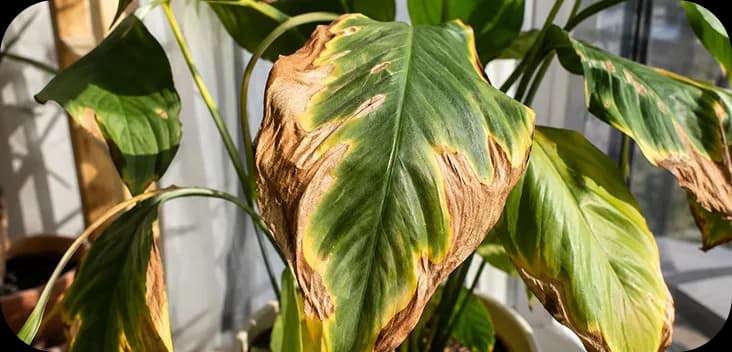
Too Much Sun?
Check if your plant gets too much direct sunlight and improve its placement
Scan your plant to receive care tips personalized for your specific plant
The best light for jute is full sun outdoors. Aim for a bright, open site where the plant receives long daily exposure rather than shade or filtered light.
Discover how to care for your plants with Botan.
7 min read · 24 Aug 2026
Learn how often to water indoor plants, key factors for proper watering, and how to adjust the care routine by plant type, season, pot size, light, and indoor conditions.
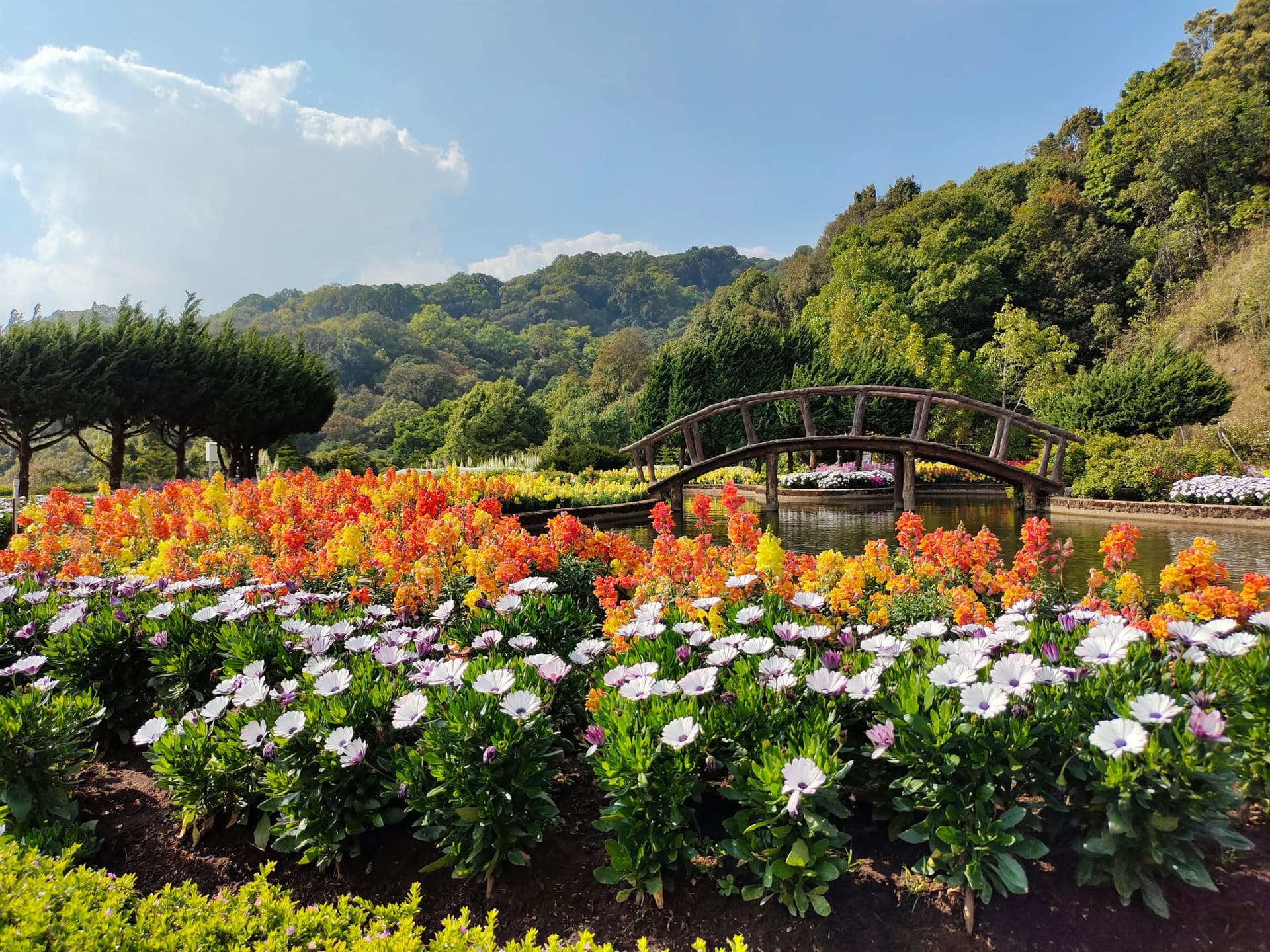
8 min read · 10 Sept 2026
Discover 10 garden flowers that require minimal care. Learn which characteristics make plants easy to grow and follow tips on how to create a beautiful corner from beginner-friendly blooms on your property.
9 min read · 17 Jul 2026
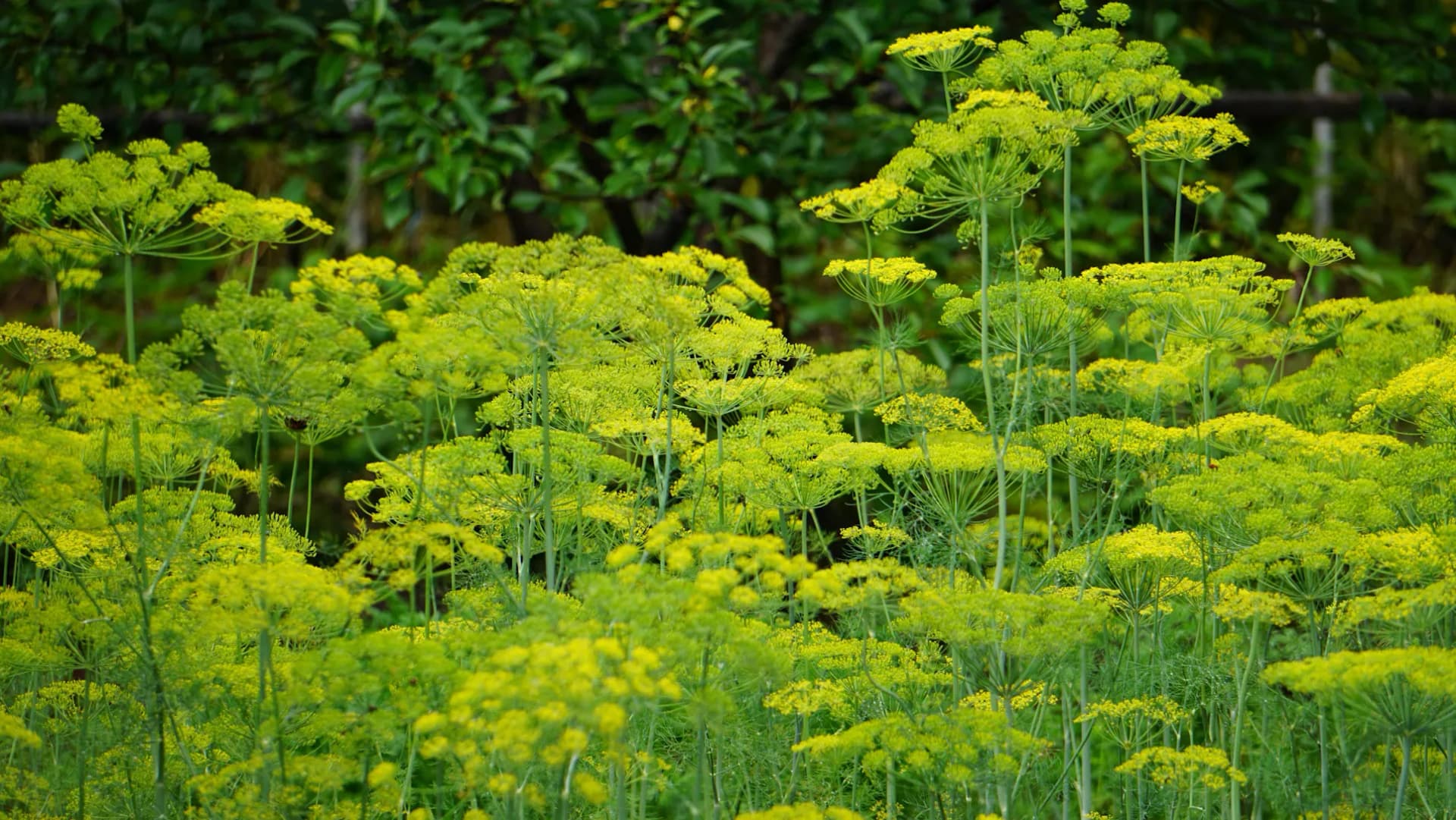
Dill is an easy-to-grow plant that gets along well with many vegetables. This guide describes 15 plants that can be planted alongside it, a few to avoid, and mistakes that can quietly sabotage the entire process.